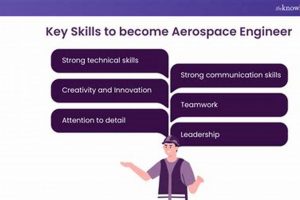
The decision to pursue a specific field of study at the university level is a significant one, impacting career trajectory and intellectual development. The selection of a major requires careful consideration of aptitude, interests, and prospective professional opportunities. It represents a commitment of time, resources, and intellectual effort toward a particular area of expertise.
Choosing an area of academic focus that aligns with personal strengths and passions enhances motivation and academic performance. Furthermore, a well-chosen field of study opens doors to specific careers and contributes to the development of skills applicable across various sectors. Historically, certain fields have offered greater stability and higher earning potential, influencing student choices and societal trends.
The following will examine factors to consider when evaluating the suitability of a particular course of academic study. These factors encompass aptitude for mathematics and science, interest in flight and space, and potential career paths and their respective demands, leading to a better understanding if such a commitment is the appropriate path.
Guidance for Determining Academic Suitability
This section offers advice to those contemplating a specific course of academic study, outlining key considerations to aid in the decision-making process.
Tip 1: Evaluate Aptitude in Mathematics and Physics: A strong foundation in mathematical principles and physics concepts is crucial. Academic success relies on the ability to apply these skills to complex engineering problems. Consider past performance in related courses to gauge potential.
Tip 2: Assess Interest in Aerospace-Related Topics: Genuine curiosity about aircraft, spacecraft, and related technologies is essential. Passion for the field will provide motivation throughout the demanding curriculum and subsequent career.
Tip 3: Research Potential Career Paths: Investigate the diverse range of careers available upon graduation. These may include roles in design, research, manufacturing, or government agencies. Understanding the job market and its requirements is critical.
Tip 4: Consider Curriculum Rigor and Time Commitment: Recognize the intense workload and significant time investment involved. The curriculum demands dedication and effective time management skills to succeed.
Tip 5: Explore Extracurricular Activities: Participation in aerospace-related clubs, competitions (e.g., design/build/fly), and internships can provide valuable hands-on experience and insight into the practical aspects of the field.
Tip 6: Seek Guidance from Professionals and Academics: Consult with practicing engineers and university professors for informed perspectives on the realities of the profession and the academic requirements. Their insights can offer clarity and valuable advice.
Tip 7: Understand Licensing and Certification Requirements: Research any necessary licenses or certifications required for specific career paths within the field. This knowledge will aid in long-term career planning.
Careful consideration of these points helps clarify alignment between personal strengths, interests, and the demands of a particular field of study, ensuring a more informed and potentially successful academic journey.
The subsequent section will address common misconceptions and frequently asked questions regarding the potential career path.
1. Mathematical Proficiency

Mathematical proficiency serves as a cornerstone for success in an aerospace engineering program. It provides the analytical framework necessary to understand, model, and solve the complex problems encountered in the design, development, and analysis of aerospace systems. A robust command of mathematical concepts is not merely beneficial but fundamentally required.
- Calculus and Differential Equations
Calculus provides the basis for understanding rates of change and accumulation, essential for modeling fluid dynamics, heat transfer, and control systems within aircraft and spacecraft. Differential equations are used to describe the dynamic behavior of these systems, allowing engineers to predict and control their performance. For instance, determining the trajectory of a satellite or optimizing the aerodynamic shape of an aircraft wing heavily relies on these mathematical tools. Inadequate grasp of these areas will severely hinder progression through the curriculum.
- Linear Algebra
Linear algebra is critical for analyzing structures, performing coordinate transformations, and solving systems of equations that arise in various aerospace applications. Finite element analysis, a common technique for simulating structural behavior, depends heavily on linear algebra concepts. Modeling the stress distribution in an aircraft fuselage or analyzing the stability of a control system involves extensive use of matrices and vectors. A deficiency in linear algebra creates significant obstacles in comprehending these advanced topics.
- Probability and Statistics
Probability and statistics are employed for analyzing experimental data, quantifying uncertainty, and designing reliable aerospace systems. Understanding statistical methods is essential for assessing the performance of components, predicting system reliability, and making informed decisions in the face of incomplete information. For example, statistical analysis is used to evaluate the safety margins of an aircraft’s structural components based on fatigue testing data. Lack of familiarity with these concepts impacts the ability to design robust and dependable aerospace systems.
- Numerical Methods
Numerical methods provide techniques for approximating solutions to mathematical problems that cannot be solved analytically. These methods are essential for simulating complex phenomena such as turbulent flow, combustion, and structural deformation. Computational fluid dynamics (CFD) and finite element analysis (FEA) rely heavily on numerical algorithms. Accurately predicting the airflow around an aircraft wing or simulating the impact of a collision requires proficiency in numerical methods. Without these skills, the ability to perform realistic simulations and analyze complex engineering problems is severely limited.
The mastery of these mathematical disciplines directly affects the ability to comprehend and apply engineering principles in an aerospace context. Deficiencies in these areas can impede academic performance and limit future career opportunities. A careful self-assessment of mathematical proficiency is therefore a critical step in determining whether to pursue a specific academic path.
2. Scientific Aptitude

Scientific aptitude represents a fundamental prerequisite for individuals considering a course of study in aerospace engineering. The successful application of engineering principles in this field relies heavily on a thorough understanding of scientific concepts and the ability to apply them to complex problems. A demonstrable aptitude for scientific inquiry is therefore a strong indicator of potential success.
- Understanding Fundamental Physics Principles
Aerospace engineering inherently involves the application of physics laws to design, analyze, and control aircraft and spacecraft. This includes mechanics, thermodynamics, electromagnetism, and optics. For instance, designing an efficient airfoil requires a deep understanding of fluid dynamics and how it interacts with the aircraft’s structure. Inadequate comprehension of these core principles significantly impedes the ability to perform effectively in the field.
- Capacity for Scientific Problem Solving
The field demands a logical and systematic approach to problem-solving, using the scientific method to analyze data, formulate hypotheses, and conduct experiments. Designing a stable control system for a satellite or troubleshooting an engine malfunction involves applying these scientific techniques. A weak capacity for scientific reasoning limits the capacity to address the diverse engineering challenges encountered.
- Ability to Interpret and Apply Empirical Data
Aerospace engineering relies heavily on empirical data obtained from experiments and simulations. Interpreting this data, identifying trends, and drawing valid conclusions are crucial for validating designs and optimizing performance. For example, analyzing wind tunnel data to assess the aerodynamic characteristics of a new aircraft wing design or using flight test data to improve control algorithms demands a keen ability to interpret empirical evidence. Inability to derive meaningful insights from experimental results restricts progress.
- Adaptability to Evolving Scientific Knowledge
Science and technology are continuously evolving, and aerospace engineers must remain current with the latest advancements. This necessitates a commitment to lifelong learning and the ability to adapt to new scientific knowledge and technologies. Examples include the introduction of new materials, propulsion systems, and avionics technologies. A resistance to learning and adapting to new scientific breakthroughs undermines an engineer’s capacity to contribute effectively.
A demonstrable scientific aptitude, encompassing these facets, provides a solid foundation for pursuing studies. The capacity to learn and apply scientific principles to real-world challenges is indispensable. Individuals lacking a strong foundation in these areas may find themselves facing significant hurdles in their pursuit of a career in this domain.
3. Passion for Aerospace

The presence of genuine enthusiasm for aerospace-related subjects is a key determinant in the suitability of pursuing an aerospace engineering major. This intrinsic motivation serves as a critical propellant, sustaining commitment through the rigors of advanced coursework and the inevitable challenges encountered in a demanding field. The absence of this passion can result in decreased engagement, reduced academic performance, and ultimately, dissatisfaction with the chosen career path. For instance, students with a deep-seated interest in space exploration are more likely to dedicate the necessary time and effort to understanding orbital mechanics and spacecraft design, while those lacking this inherent drive may struggle to maintain focus and motivation.
The practical implications of a strong passion for aerospace extend beyond academic achievement. Individuals with this enthusiasm are more likely to seek out extracurricular activities, such as participating in design competitions or joining aerospace-related clubs. These experiences provide invaluable hands-on learning and networking opportunities, further solidifying their understanding of the field and enhancing their future career prospects. Furthermore, a genuine interest in the subject matter often translates into increased creativity and innovation. Engineers who are truly passionate about their work are more likely to develop novel solutions to complex problems, contributing to advancements in aerospace technology. Consider the impact of individuals like Burt Rutan, whose passion for aviation led to groundbreaking innovations in aircraft design, demonstrating the real-world impact of this intrinsic motivation.
In summary, while aptitude in mathematics and science is essential, a genuine passion for aerospace provides the driving force necessary to overcome the academic and professional challenges inherent in this field. The absence of this passion can significantly impede success and satisfaction. Prospective students should carefully evaluate their level of interest and enthusiasm for aerospace topics as a critical component in determining whether pursuing an aerospace engineering major is the right choice. This self-assessment is essential for ensuring a fulfilling and successful career trajectory.
4. Career Opportunities
The prospective availability and nature of employment opportunities constitute a central consideration when evaluating the suitability of a specific academic path. Potential career trajectories significantly influence the return on investment in education and subsequent professional fulfillment. Understanding the landscape of opportunities, therefore, is paramount.
- Aerospace Design Engineer
Aerospace design engineers are responsible for creating and improving designs for aircraft, spacecraft, and related systems. Their roles encompass conceptual design, detailed engineering analysis, and the integration of various components. For instance, a design engineer may work on optimizing the aerodynamic performance of an aircraft wing or developing a new propulsion system for a rocket. The demand for skilled design engineers in the aerospace sector is consistently high, particularly as the industry pushes toward more efficient and sustainable technologies.
- Aerospace Research Scientist
Aerospace research scientists conduct investigations into new technologies and scientific principles relevant to aerospace. This may involve studying advanced materials, developing innovative propulsion techniques, or exploring novel approaches to space exploration. Research scientists often work in government laboratories, universities, or private companies. A significant focus of research involves reducing environmental impact and enhancing the efficiency of air and space travel.
- Aerospace Manufacturing Engineer
Aerospace manufacturing engineers focus on the production and assembly of aerospace components and systems. They are responsible for optimizing manufacturing processes, ensuring quality control, and improving efficiency. This involves using advanced manufacturing techniques such as additive manufacturing and robotics. As the aerospace industry increasingly adopts automation, the demand for engineers skilled in these areas is expected to grow. Manufacturing engineers play a vital role in translating designs into tangible products.
- Aerospace Project Manager
Aerospace project managers oversee the planning, execution, and completion of aerospace projects. They are responsible for managing budgets, schedules, and resources, while also coordinating the efforts of engineers, scientists, and technicians. Effective project managers are essential for ensuring that projects are completed on time and within budget. The scope of project management ranges from small component development to the construction of entire spacecraft, offering diverse opportunities for experienced professionals.
The consideration of these various career paths assists potential students in evaluating alignment between their interests and aptitudes with viable professional opportunities. A comprehensive understanding of these pathways informs a more strategic approach to academic planning and career development. Furthermore, a realistic assessment of the job market, including competition and required skill sets, is critical in the decision-making process.
5. Curriculum Rigor

The demanding nature of an aerospace engineering curriculum constitutes a significant factor in assessing its suitability for prospective students. The intensity and depth of the coursework necessitate a considerable investment of time, effort, and intellectual commitment. The curriculum’s rigor directly influences the academic success and overall experience of students pursuing a degree in this field. This level of academic demand is not merely a characteristic of the program, but a critical component that requires careful consideration.
The core coursework typically encompasses advanced mathematical concepts, including differential equations and linear algebra, along with a comprehensive understanding of physics principles, such as fluid dynamics and thermodynamics. The application of these principles to complex engineering problems necessitates a high level of analytical and problem-solving skills. For example, designing a stable control system for an aircraft or optimizing the aerodynamic performance of a rocket requires not only theoretical knowledge but also the ability to apply that knowledge to practical scenarios. Furthermore, the curriculum often involves extensive laboratory work and hands-on projects, demanding a significant time commitment beyond scheduled class hours. Therefore, an individuals past academic performance, particularly in related subjects, serves as a key indicator of their potential to handle the demanding academic workload.
In summary, the rigorous nature of the curriculum should be carefully evaluated. It requires a strong foundation in mathematics and science, the ability to apply theoretical knowledge to practical problems, and a significant investment of time and effort. Failing to acknowledge the demands of the academic workload could lead to academic difficulties, reduced career prospects, and overall dissatisfaction with the chosen field of study. Thorough assessment of individual capabilities, in comparison to the requirements of the course, is critical for success.
6. Financial Investment

The pursuit of an aerospace engineering degree necessitates a substantial financial investment, encompassing tuition fees, living expenses, textbooks, and potential professional development costs. These expenses represent a significant commitment that must be weighed against potential future earnings and career prospects. The financial burden associated with higher education can significantly impact the accessibility and feasibility of pursuing this field of study. For instance, private universities often command higher tuition rates than public institutions, potentially creating a barrier for students from lower-income backgrounds. Furthermore, the cost of living in proximity to reputable aerospace engineering programs, often located in major metropolitan areas, can add considerably to the overall financial burden.
The financial investment extends beyond direct educational expenses. Many students find it necessary to undertake internships or co-op programs to gain practical experience, which may involve foregoing paid employment opportunities during those periods. Additionally, membership in professional organizations and attendance at industry conferences, while beneficial for networking and career advancement, incur additional costs. The long-term financial implications also include potential student loan debt, which can influence career choices and financial planning for years after graduation. Therefore, prospective students should meticulously assess their financial resources, explore available scholarship and grant opportunities, and carefully consider the potential return on investment in terms of future earning potential.
In summary, the decision to pursue an aerospace engineering degree is intricately linked to financial considerations. The financial commitment associated with the program, including tuition, living expenses, and professional development costs, must be carefully balanced against potential future earnings and career opportunities. A thorough financial assessment, coupled with a realistic understanding of the potential return on investment, is crucial for ensuring that pursuing such a course of study is a financially viable and sustainable path.
7. Industry Demands

The prevailing requirements of the aerospace sector exert a substantial influence on the suitability of pursuing aerospace engineering as a major. The demand for specific skills, expertise, and specializations within the industry directly affects the employment prospects and career trajectories of graduates. Aligning academic focus with identified industry needs enhances the likelihood of securing relevant employment and contributing effectively to the field. For example, the growing emphasis on sustainable aviation practices has created a surge in demand for engineers specializing in alternative propulsion systems and aerodynamic efficiency. Failure to consider these evolving demands may result in a mismatch between academic training and available job opportunities.
Specific skill sets are crucial for professional success. Expertise in areas such as computational fluid dynamics (CFD), finite element analysis (FEA), and advanced materials science is highly sought after by aerospace companies. Furthermore, the industry values engineers with strong project management skills, systems engineering experience, and the ability to collaborate effectively in multidisciplinary teams. The increasing integration of digital technologies, such as artificial intelligence and machine learning, into aerospace systems also creates demand for engineers with expertise in these areas. Practical applications, such as using AI to optimize aircraft maintenance schedules or developing machine learning algorithms for autonomous flight control, illustrate the growing importance of these skills. Ignoring these technological advancements renders prospective professionals less competitive in the job market.
In summation, the aerospace industry’s current and projected demands serve as a critical factor in determining the appropriateness of choosing an aerospace engineering major. A comprehensive understanding of industry trends, required skills, and emerging technologies is essential for aligning academic pursuits with career aspirations. The ability to adapt to evolving industry needs is paramount for long-term professional success and contribution to the advancement of aerospace technology. Therefore, a thorough investigation into the industry landscape is an indispensable component of the decision-making process.
Frequently Asked Questions Regarding Aerospace Engineering as a Major
The following addresses common inquiries and misconceptions about pursuing aerospace engineering as a field of academic study, offering clarity for prospective students.
Question 1: Is a strong aptitude for mathematics absolutely essential for success in aerospace engineering?
Yes, a robust foundation in mathematics, including calculus, differential equations, and linear algebra, is fundamentally required. These mathematical principles underpin the core concepts of aerospace engineering, and deficiencies in these areas impede progress.
Question 2: What career opportunities are available with an aerospace engineering degree beyond traditional aircraft and spacecraft design?
Graduates find employment in diverse sectors, including robotics, autonomous systems, renewable energy, and even finance, leveraging their analytical and problem-solving skills. Aerospace engineering principles are applicable to a wide range of complex systems.
Question 3: How important is practical experience, such as internships or co-op programs, in complementing academic studies in aerospace engineering?
Practical experience is invaluable. Internships and co-op programs provide opportunities to apply theoretical knowledge to real-world problems, develop essential skills, and network with industry professionals, enhancing employment prospects.
Question 4: Is it possible to specialize within aerospace engineering, and if so, what are some common areas of specialization?
Specialization is common. Areas include aerodynamics, propulsion, structures, control systems, and astrodynamics. Focusing on a specific area allows for deeper expertise and can tailor career paths to specific interests and industry demands.
Question 5: What is the typical workload and time commitment associated with an aerospace engineering curriculum?
The curriculum is demanding, requiring significant time commitment beyond scheduled class hours. Students should anticipate dedicating substantial time to studying, completing assignments, and participating in laboratory work. Effective time management is crucial.
Question 6: How does the demand for aerospace engineers fluctuate with economic cycles, and what strategies can be employed to mitigate potential risks?
Demand can be influenced by economic cycles and government spending. Diversifying skills, pursuing advanced degrees, and maintaining a strong professional network are strategies to enhance career stability and mitigate potential risks during economic downturns.
In summary, pursuing a degree in aerospace engineering requires careful consideration of aptitude, interests, and career goals. Addressing common questions and misconceptions aids in making an informed decision.
The following section will summarize the key considerations when evaluating an academic pursuit in the mentioned field of study.
Conclusion
The decision of whether should i major in aerospace engineering involves a multifaceted evaluation encompassing academic aptitude, personal interests, financial considerations, and industry demands. Successful navigation of this rigorous field necessitates a strong foundation in mathematics and physics, a genuine enthusiasm for aerospace-related topics, and a realistic understanding of the demanding curriculum. Furthermore, prospective students must carefully consider the financial investment required and the potential career paths available, aligning their academic pursuits with industry needs and long-term career goals.
Ultimately, the commitment to aerospace engineering should stem from a well-informed and considered assessment, acknowledging both the challenges and the rewards inherent in this dynamic and technically demanding field. The pursuit demands diligence, adaptability, and a persistent dedication to learning and innovation, ensuring that graduates are well-prepared to contribute meaningfully to the advancement of aerospace technology.