The abilities pertinent to professionals in the field encompass a wide range of technical proficiencies and soft skills. These include a strong foundation in mathematics and physics, proficiency in computer-aided design (CAD) software, and a deep understanding of aerodynamics, propulsion, and materials science. For example, competence in structural analysis is crucial for designing lightweight yet robust aircraft components, while expertise in control systems is vital for ensuring flight stability and performance.
The importance of these abilities cannot be overstated. They are essential for designing, developing, testing, and maintaining aircraft, spacecraft, and related systems. Furthermore, possessing a diverse skillset fosters innovation and problem-solving capabilities, crucial for addressing the complex challenges inherent in the industry. Historically, the advancement of aviation and space exploration has been intrinsically linked to the continuous development and refinement of the expertise within this engineering discipline.
The following sections will delve deeper into specific areas of competence, examining the analytical and problem-solving techniques, the crucial communication proficiencies, and the necessity for continuous learning and adaptation within this ever-evolving domain.
Essential Guidance for Aerospace Engineering Proficiency
The subsequent directives offer actionable strategies for aspiring and practicing professionals seeking to enhance their capabilities and effectiveness within the field. Adherence to these principles can contribute to career advancement and significant contributions to the industry.
Tip 1: Prioritize a Robust Mathematical Foundation: Mastery of calculus, differential equations, and linear algebra is paramount. These mathematical tools form the bedrock of aerodynamic analysis, structural mechanics, and control system design.
Tip 2: Cultivate Proficiency in Computational Tools: Familiarity with software such as MATLAB, ANSYS, and CAD packages (e.g., SolidWorks, CATIA) is essential for modeling, simulation, and design optimization. Regular practice and exploration of advanced features are highly recommended.
Tip 3: Embrace Interdisciplinary Learning: Aerospace engineering draws upon various disciplines, including mechanical, electrical, and materials engineering. A broad understanding of these related fields facilitates a more holistic approach to problem-solving.
Tip 4: Seek Practical Experience Through Internships: Internships provide invaluable opportunities to apply theoretical knowledge to real-world projects. Active participation and a willingness to learn from experienced engineers are crucial for maximizing the benefits of such experiences.
Tip 5: Develop Strong Communication Skills: The ability to effectively communicate technical information, both orally and in writing, is vital for collaboration, report writing, and presentations. Practice presenting complex concepts clearly and concisely.
Tip 6: Stay Abreast of Technological Advancements: The field is constantly evolving. Continuous learning through conferences, publications, and online resources is essential for remaining competitive and contributing to innovation.
Tip 7: Cultivate a Systems Thinking Approach: Aerospace systems are inherently complex and interconnected. Developing the ability to analyze problems from a holistic perspective, considering the interactions between different components and subsystems, is crucial for effective design and troubleshooting.
Effective implementation of these guidelines will enhance technical competence, improve problem-solving capabilities, and foster a deeper understanding of the intricacies of the aerospace engineering profession.
The following section will offer a concluding overview, emphasizing the dynamic nature of the field and the ongoing need for adaptation and growth.
1. Analytical Proficiency

Analytical proficiency constitutes a cornerstone within the comprehensive array of abilities vital for a successful professional in the field. Its significance lies in the capacity to dissect complex problems, identify underlying principles, and derive informed solutions based on logical reasoning and data analysis. This aptitude allows professionals to tackle challenges in design, testing, and problem-solving, all fundamental to the field.
- Data Interpretation and Modeling
This involves the ability to extract meaningful insights from empirical data, such as wind tunnel test results or flight performance metrics. Aerospace engineers utilize these interpretations to create mathematical models that predict system behavior, enabling informed design decisions and performance optimizations. For example, analyzing stress-strain data of a composite material allows for accurate modeling of its structural behavior under various loading conditions, which is critical for designing aircraft components.
- System Analysis and Optimization
This facet entails the ability to evaluate the performance of complex aerospace systems, identifying areas for improvement. It includes applying optimization techniques to enhance parameters such as fuel efficiency, payload capacity, and aerodynamic performance. An engineer might, for instance, analyze the performance of a rocket engine and optimize its nozzle design to maximize thrust while minimizing fuel consumption.
- Problem Decomposition and Root Cause Analysis
Complex aerospace problems often require the ability to break them down into smaller, manageable components. Identifying the root cause of a malfunction or performance degradation is crucial for developing effective solutions. For example, if a satellite experiences unexpected communication disruptions, engineers must systematically analyze the various subsystems to pinpoint the source of the issue, whether it be a faulty antenna, a power supply problem, or a software glitch.
- Critical Evaluation of Design Alternatives
Aerospace engineers are frequently faced with multiple design options, each with its own set of advantages and disadvantages. Analytical proficiency enables the critical evaluation of these alternatives based on factors such as performance, cost, reliability, and safety. This process often involves trade-off studies and risk assessments to determine the optimal design choice. For example, when designing an unmanned aerial vehicle (UAV), engineers must carefully weigh the benefits of different wing configurations, considering factors like lift-to-drag ratio, maneuverability, and structural integrity.
In summary, proficiency in data interpretation, system analysis, problem decomposition, and critical evaluation are not merely desirable but essential for navigating the complexities of aerospace engineering. These abilities empower engineers to develop innovative solutions, enhance system performance, and ensure the safety and reliability of aircraft and spacecraft.
2. Technical Expertise

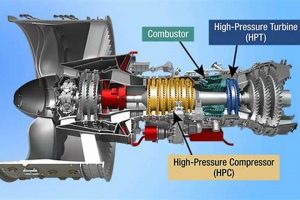
Technical expertise forms a foundational pillar within the overall skillset required of an aerospace engineer. The absence of a robust technical understanding directly impedes the ability to perform essential tasks, ranging from initial design concepts to final testing and certification. A cause-and-effect relationship exists: insufficient technical knowledge results in flawed designs, increased risk of system failure, and compromised safety. Expertise in areas such as aerodynamics, propulsion, structures, and control systems directly translates into the engineers capacity to create safe, efficient, and effective aerospace vehicles.
Consider, for example, the design of a modern commercial aircraft wing. Technical expertise is required to select appropriate airfoil shapes based on desired lift and drag characteristics. Finite element analysis, a tool requiring deep technical understanding, is then employed to model the wing’s structural integrity under various flight loads. Expertise in control systems is vital for designing the flaps and ailerons, ensuring stable and responsive flight. A failure to adequately account for any of these technical aspects could lead to catastrophic structural failure or unstable flight behavior. Similarly, in the realm of spacecraft design, expertise in orbital mechanics, thermal management, and radiation shielding is critical for mission success and the survival of onboard equipment and personnel.
In conclusion, technical expertise is not merely a desirable attribute but a non-negotiable requirement for aerospace engineers. It is the bedrock upon which all other capabilities are built, enabling professionals to translate theoretical concepts into tangible, functional, and safe aerospace systems. Maintaining and expanding this expertise through continuous learning and engagement with technological advancements remains paramount to the ongoing success and innovation within the field.
3. Problem-Solving

The ability to effectively address complex challenges is paramount for an aerospace engineer. Problem-solving transcends mere troubleshooting; it encompasses a proactive approach to identifying potential issues, developing innovative solutions, and implementing those solutions effectively within the constraints of the project and the demands of the aerospace environment.
- System Failure Mitigation
Aerospace systems, by their nature, are intricate and susceptible to malfunctions. The capacity to swiftly and accurately diagnose the source of a failure, whether in a flight control system or a satellite communication array, is critical. An aerospace engineer must develop strategies to restore functionality, often under severe time constraints and with limited resources. Consider the emergency landing of an aircraft due to engine failure; the ability of the engineering team to rapidly determine the cause and implement corrective measures to prevent recurrence is vital.
- Design Optimization Under Constraints
Designing aerospace vehicles inevitably involves balancing competing objectives. For instance, maximizing fuel efficiency while simultaneously minimizing weight presents a complex optimization problem. Engineers must employ sophisticated modeling techniques and iterative design processes to arrive at solutions that meet performance requirements within imposed limitations. The development of lightweight composite materials for aircraft structures exemplifies this challenge, balancing strength, weight, and cost.
- Risk Assessment and Mitigation
Aerospace projects inherently involve risks, both financial and operational. Engineers must be adept at identifying potential hazards, evaluating their likelihood and impact, and developing strategies to mitigate those risks. For example, a launch vehicle design requires careful consideration of potential failure modes, from engine malfunction to structural instability. Detailed risk assessments and redundant systems are implemented to minimize the probability of catastrophic events.
- Adaptation to Unforeseen Circumstances
Even with meticulous planning, unforeseen challenges can arise during the development and operation of aerospace systems. An engineer must be capable of adapting to these circumstances, modifying designs, and implementing contingency plans to maintain project momentum and ensure mission success. The modification of a satellite’s orbit to avoid space debris, or the redesign of a launch sequence due to adverse weather conditions, demonstrate this essential adaptability.
The examples cited underscore that problem-solving is not a singular ability but a multifaceted skill set central to the competencies of an aerospace engineer. The ability to adapt, innovate, and overcome technical obstacles is paramount for success in this challenging and demanding field. The capacity to resolve complex problems directly influences the safety, reliability, and performance of aerospace vehicles and systems.
4. Communication

Effective conveyance of technical information constitutes a critical element within the multifaceted skillset of an aerospace engineer. Clear and concise communication is essential for collaboration, documentation, and the successful execution of complex projects.
- Technical Report Writing
Aerospace engineers are frequently tasked with generating comprehensive reports documenting design processes, testing results, and system performance. These reports must present complex data in a clear, organized, and easily understandable manner. For example, a report detailing the aerodynamic analysis of a new wing design must accurately convey the methodologies employed, the results obtained, and the conclusions drawn, enabling other engineers to validate the findings and make informed decisions.
- Presentation Skills
The ability to effectively present technical information to diverse audiences, including colleagues, management, and clients, is crucial. Aerospace engineers must be capable of delivering clear and engaging presentations that convey key findings, design concepts, and project status updates. For instance, presenting the results of a wind tunnel test requires the ability to translate complex aerodynamic data into visually appealing and easily digestible formats, enabling stakeholders to grasp the significance of the findings.
- Interpersonal Communication and Collaboration
Aerospace engineering projects typically involve collaboration among teams of engineers with diverse backgrounds and expertise. Effective interpersonal communication is essential for fostering collaboration, resolving conflicts, and ensuring that all team members are aligned on project goals. For example, coordinating the efforts of structural, propulsion, and control systems engineers requires clear and open communication channels, enabling them to share information, resolve design conflicts, and integrate their respective subsystems effectively.
- Documentation and Record-Keeping
Accurate and comprehensive documentation is vital for ensuring the traceability, maintainability, and future development of aerospace systems. Aerospace engineers must meticulously document design decisions, testing procedures, and system modifications. For instance, maintaining a detailed record of changes made to an aircraft’s control system configuration is essential for ensuring its continued airworthiness and facilitating future upgrades.
The skills enumerated, from crafting precise technical reports to fostering effective team dynamics through interpersonal communication, are indispensable. Aerospace engineers require this capability to successfully navigate the complexities of their field, ensure project success, and contribute to the advancement of aerospace technology.
5. Innovation

Within the realm of aerospace engineering, innovation is not merely a desirable outcome but a fundamental necessity for progress and maintaining a competitive edge. The core abilities within this discipline are inextricably linked to the capacity for groundbreaking ideas and the effective implementation of novel solutions.
- Conceptual Design and Ideation
The generation of new concepts and approaches to aerospace challenges is a primary driver of innovation. This involves the ability to think critically, challenge conventional wisdom, and envision future possibilities. For example, the development of blended wing body aircraft, a departure from traditional tube-and-wing designs, exemplifies innovative conceptual design. The underlying abilities necessary include strong visualization skills, a deep understanding of aerodynamic principles, and the ability to synthesize information from diverse sources.
- Technology Integration and Adaptation
Frequently, innovation arises from the effective integration of existing technologies from other fields or the adaptation of existing aerospace technologies to new applications. An example of this is the application of additive manufacturing (3D printing) to produce lightweight, complex aerospace components. This demands capabilities such as a broad understanding of materials science, manufacturing processes, and the ability to identify potential synergies between different technologies.
- Experimental Validation and Iteration
Innovative concepts must be rigorously tested and validated through experimentation. This requires abilities in experimental design, data acquisition and analysis, and the iterative refinement of designs based on test results. For example, the development of new propulsion systems necessitates extensive testing in wind tunnels and engine test facilities. Competencies in instrumentation, control systems, and fluid mechanics are vital for this process.
- Cross-Disciplinary Collaboration
Breakthrough innovations often emerge from the collaborative efforts of engineers with diverse expertise. The ability to effectively communicate technical concepts, share knowledge, and integrate different perspectives is essential for fostering a culture of innovation. For instance, the development of autonomous flight control systems requires collaboration between aerospace engineers, computer scientists, and robotics experts. Effective teamwork, communication, and a willingness to learn from other disciplines are critical enablers.
In conclusion, the cultivation of innovation is deeply intertwined with the mastery of foundational abilities within aerospace engineering. The ability to generate novel ideas, integrate diverse technologies, validate designs through experimentation, and collaborate effectively across disciplines are all essential for driving progress and shaping the future of aerospace technology. Innovation is not a standalone skill but rather an emergent property of a well-developed and versatile skillset.
6. Teamwork

Teamwork is a critical component in the skill set of an aerospace engineer. The complexity and scale of aerospace projects necessitate collaborative efforts across diverse engineering disciplines. The ability to function effectively within a team environment directly impacts the success and efficiency of these projects.
- Interdisciplinary Collaboration
Aerospace projects often involve engineers from various specializations, including aerodynamics, structures, propulsion, and avionics. Each discipline contributes unique expertise, and effective teamwork ensures the seamless integration of these different perspectives. The design of an aircraft wing, for example, requires collaboration between aerodynamicists optimizing the shape for lift and drag, structural engineers ensuring the wing can withstand flight loads, and manufacturing engineers determining the most efficient production methods. The ability to understand and appreciate the contributions of other disciplines is paramount.
- Effective Communication and Coordination
Clear and concise communication is essential for coordinating tasks, resolving conflicts, and ensuring that all team members are aligned on project goals. Regular meetings, shared documentation, and open communication channels are crucial for maintaining transparency and preventing misunderstandings. Consider the development of a spacecraft mission; effective communication between mission control, spacecraft engineers, and scientists is vital for ensuring the mission objectives are met and any anomalies are promptly addressed.
- Shared Responsibility and Accountability
Teamwork implies a shared sense of responsibility for the success of the project. Each team member must be accountable for their contributions and committed to supporting the overall team objectives. This fosters a culture of trust and mutual respect, where team members are willing to assist one another and take ownership of their roles. The successful launch of a rocket, for instance, relies on the collective efforts of numerous teams, each responsible for specific aspects of the launch vehicle and ground support systems. Shared responsibility ensures that all tasks are completed to the required standards.
- Conflict Resolution and Negotiation
Disagreements and conflicts are inevitable in team settings. Effective teamwork involves the ability to constructively address these conflicts, negotiate solutions, and maintain a positive working relationship. This requires strong interpersonal skills, active listening, and a willingness to compromise. For example, when designing a new engine, engineers may have conflicting priorities regarding performance, cost, and reliability. The ability to negotiate trade-offs and find solutions that meet the overall project requirements is essential.
The facets of teamwork, including interdisciplinary collaboration, effective communication, shared responsibility, and conflict resolution, collectively contribute to the skill set of an aerospace engineer. Proficiency in these areas enhances project outcomes, promotes innovation, and fosters a collaborative and productive work environment. The interconnected nature of aerospace engineering demands a commitment to teamwork as a cornerstone of professional practice.
Frequently Asked Questions
The subsequent section addresses common inquiries regarding the abilities integral to the practice of aerospace engineering. The information presented aims to provide clarity and dispel misconceptions about the specific expertise required in this field.
Question 1: What is the relative importance of theoretical knowledge versus practical experience for a prospective aerospace engineer?
While a strong foundation in theoretical principles is essential, practical experience gained through internships, research projects, and hands-on activities is equally vital. Theoretical knowledge provides the framework for understanding aerospace systems, while practical experience allows for the application and refinement of that knowledge in real-world scenarios.
Question 2: How critical is proficiency in computer programming and simulation software?
Proficiency in computer programming and simulation software is increasingly crucial. These tools are used extensively for modeling, analysis, and design optimization. An engineer’s ability to effectively utilize these programs directly impacts their productivity and the quality of their work.
Question 3: Is it necessary for an aerospace engineer to possess in-depth knowledge of all areas within the field, such as aerodynamics, propulsion, and structures?
While specialization in a particular area is common, a broad understanding of the fundamental principles underlying all areas of aerospace engineering is essential. This allows for effective collaboration with engineers from other disciplines and a holistic approach to problem-solving.
Question 4: What role does creativity play in aerospace engineering?
Creativity is a valuable asset for aerospace engineers. The ability to generate innovative solutions, challenge conventional thinking, and adapt to unforeseen challenges is essential for advancing the field and developing cutting-edge technologies.
Question 5: How important is continuous learning in this field?
Continuous learning is paramount due to the rapid pace of technological advancements. Aerospace engineers must remain current with new technologies, materials, and design methodologies to remain competitive and contribute effectively to the field.
Question 6: What are some of the most in-demand competencies currently sought by aerospace companies?
Currently, aerospace companies are actively seeking engineers with expertise in areas such as advanced materials, autonomous systems, data analytics, and cybersecurity. These skills are critical for addressing the evolving challenges and opportunities in the industry.
In summary, a multifaceted skillset encompassing theoretical knowledge, practical experience, technical proficiency, creativity, and a commitment to continuous learning is crucial for success. The most sought-after engineers are those who can effectively integrate these competencies to solve complex problems and drive innovation.
The subsequent section offers resources for further exploration of these essential abilities.
Skills of an Aerospace Engineer
This exploration has underscored the multifaceted nature of the proficiency required in this demanding field. From analytical prowess to technical mastery, effective communication to collaborative aptitude, and innovative thinking to problem-solving acumen, the convergence of these abilities defines the competent aerospace engineer. The ability to effectively apply these abilities is essential for contributing to the design, development, and maintenance of aerospace systems.
The continuing advancement of aerospace technology demands an unwavering commitment to skill development and adaptation. Engineers must remain diligent in expanding their knowledge base, refining their technical abilities, and embracing the ongoing evolution of the field. This dedication will not only contribute to individual career success but also to the collective progress and safety of aerospace endeavors.
![Best Work Environment for Aerospace Engineers [2024] | Innovating the Future of Flight with Reliable Aviation Solutions](https://mixaerospace.com/wp-content/uploads/2026/04/th-277-300x200.jpg "Best Work Environment for Aerospace Engineers [2024] Innovating the Future of Flight with Reliable Aviation Solutions")