Institutions offering instruction and research opportunities related to the design, development, and operation of aircraft and spacecraft are a cornerstone of the aerospace sector. These educational establishments typically provide curricula covering areas such as aerodynamics, propulsion, materials science, and control systems. For example, a student might study orbital mechanics in preparation for a career in satellite engineering.
The availability of specialized training in aeronautical and astronautical engineering is crucial for technological advancement and national security. Such programs contribute significantly to innovation in areas ranging from commercial aviation to space exploration. Historically, these academic departments have played a vital role in shaping the trajectory of aerospace development, supplying the talent necessary to push the boundaries of flight and space travel.
Further discussion will elaborate on the various facets of selecting an appropriate institution, examining accreditation, faculty expertise, research opportunities, and potential career pathways for graduates. The subsequent sections will also highlight prominent examples and emerging trends within this field of higher education.
Guidance for Prospective Students
Selecting an appropriate educational path in aerospace engineering requires careful consideration. The following guidelines aim to assist prospective students in navigating the application and enrollment process.
Tip 1: Accreditation Verification: Ensure that the program holds accreditation from a recognized body, such as ABET. Accreditation assures a minimum standard of educational quality and enhances career prospects.
Tip 2: Faculty Research Profiles: Review the research interests and publications of faculty members. Alignment with personal interests can provide invaluable mentorship and research opportunities.
Tip 3: Research Infrastructure Assessment: Investigate the availability of research facilities, including wind tunnels, propulsion laboratories, and computational resources. Access to advanced equipment is crucial for hands-on learning and research.
Tip 4: Curriculum Rigor Evaluation: Examine the curriculum to determine the depth and breadth of coverage in core aerospace disciplines. A well-rounded curriculum is essential for a comprehensive education.
Tip 5: Internship and Co-op Opportunities: Inquire about opportunities for internships or cooperative education programs with aerospace companies or government agencies. Practical experience significantly improves employability.
Tip 6: Location and Accessibility: Consider the location of the institution and its proximity to aerospace industry hubs. Networking and career prospects are often enhanced by geographical proximity.
Tip 7: Student-to-Faculty Ratio: Understand the student-to-faculty ratio, which may be important for teaching, mentoring, and academic connections.
Careful attention to these aspects will significantly increase the likelihood of selecting a program that aligns with individual academic and professional goals. The subsequent sections will address specific institutional examples and emerging trends in aerospace education.
1. Curriculum Accreditation

Curriculum accreditation serves as a crucial quality assurance mechanism for institutions providing aerospace engineering programs. Accreditation, typically granted by organizations such as ABET (Accreditation Board for Engineering and Technology), signifies that a specific program has met rigorous standards for content, faculty qualifications, facilities, and student outcomes. This process provides assurance to prospective students, employers, and the public that the program delivers a competent and relevant education. For instance, a university holding ABET accreditation for its aerospace engineering curriculum demonstrates adherence to industry-recognized best practices in areas such as design, analysis, and experimentation.
The lack of proper accreditation can negatively affect graduates prospects. Employers often prioritize candidates from accredited programs due to confidence in their foundational knowledge and problem-solving skills. Moreover, professional licensure in engineering typically requires graduation from an accredited program. Therefore, curriculum accreditation represents a tangible benefit, impacting career opportunities and professional advancement. Consider the hypothetical situation of two graduates: One from an ABET-accredited aerospace program, and another from a non-accredited one. The former is statistically more likely to secure a position in a competitive firm, and potentially earn professional certification quicker than their counterpart.
In conclusion, curriculum accreditation is a critical indicator of quality and relevance for “universities with aerospace programs”. Accreditation assures a minimum standard of educational preparation, directly impacting a graduate’s future career prospects and professional capabilities. For prospective aerospace engineering students, verifying a program’s accreditation status should be a primary consideration in their educational decision-making process, mitigating the risks associated with investing time and resources into a substandard program. Furthermore, maintenance of accreditation requires ongoing assessment and improvement, thus promoting continuous enhancement of the educational experience.
2. Faculty Expertise

Faculty expertise is an indispensable component of distinguished aerospace engineering programs. The quality of instruction, research opportunities, and overall educational experience are directly influenced by the knowledge, experience, and research contributions of the faculty.
- Subject Matter Depth and Breadth
Aerospace programs benefit significantly from faculty members possessing comprehensive knowledge across multiple disciplines. This encompasses aerodynamics, propulsion, structures, controls, and space systems. Expertise in specialized areas allows for advanced course offerings and research projects that push the boundaries of aerospace knowledge. For instance, a professor specializing in hypersonic flight can offer a highly focused course delving into the intricacies of scramjet engine technology.
- Research Contributions and Publications
Active engagement in research is a hallmark of accomplished aerospace faculty. Peer-reviewed publications, presentations at conferences, and securing research grants indicate a commitment to advancing the field. Faculty members who are actively contributing to the body of aerospace knowledge provide students with unparalleled opportunities to participate in cutting-edge research. A professor leading a NASA-funded project on advanced composite materials, for instance, can involve students in the design and testing phases, providing invaluable hands-on experience.
- Industry Experience and Collaboration
Faculty members with prior industry experience bring a practical perspective to the classroom. They can offer insights into real-world challenges, design methodologies, and industry standards. Furthermore, collaborative research projects with aerospace companies or government agencies provide students with opportunities for internships and potential career paths. A faculty member who previously worked at Boeing, for example, can provide invaluable insight into the challenges of large-scale aircraft design and manufacturing.
- Mentorship and Student Engagement
The ability to effectively mentor and engage students is a crucial attribute of successful aerospace faculty. This includes providing guidance on career paths, research opportunities, and professional development. A supportive and accessible faculty member can significantly impact a student’s academic and professional trajectory. For example, professors who advise student design teams for competitions like the AIAA Design/Build/Fly challenge play a critical role in shaping the next generation of aerospace engineers.
The aggregation of these facets within the academic staff directly shapes the educational experience offered at “universities with aerospace programs.” Institutions which prioritize faculty expertise and research contributions offer students unparalleled prospects for growth and future innovation within the aerospace sector. These areas can be improved by the university to have more impact on aerospace engineering.
3. Research Facilities

Research facilities represent a critical component of distinguished aerospace engineering programs. The availability of advanced equipment and specialized laboratories directly impacts the quality of research conducted and the practical skills acquired by students.
- Wind Tunnels
Wind tunnels facilitate the study of aerodynamic forces and fluid flow phenomena. Universities with aerospace programs utilize wind tunnels to test aircraft models, airfoil designs, and other aerodynamic structures. For example, Stanford University’s High-Speed Wind Tunnel allows researchers to analyze aerodynamic performance at transonic and supersonic speeds, contributing to advancements in aircraft design.
- Propulsion Laboratories
Propulsion laboratories provide a controlled environment for studying engine performance, combustion processes, and propulsion systems. These facilities allow for the testing and development of rocket engines, gas turbines, and other propulsion technologies. Purdue University’s Zucrow Laboratories houses multiple propulsion testing facilities, supporting research in areas such as rocket propulsion and high-speed aerodynamics.
- Materials Testing Laboratories
Materials testing laboratories enable the characterization and evaluation of materials used in aerospace applications. These laboratories are equipped with equipment for tensile testing, fatigue testing, and non-destructive evaluation. The University of Michigan’s Aerospace Engineering department operates materials testing facilities used to assess the performance of composite materials under extreme conditions.
- Space Simulation Facilities
Space simulation facilities replicate the harsh conditions of space, including vacuum, extreme temperatures, and radiation. These facilities are used to test spacecraft components and systems before launch. The University of Colorado Boulder’s Laboratory for Atmospheric and Space Physics (LASP) operates space simulation chambers used to test satellite instruments and components in simulated space environments.
In summary, research facilities are a determining factor in the quality and capabilities of universities offering aerospace programs. These resources enable cutting-edge research, provide students with hands-on experience, and contribute to advancements in the aerospace industry. The presence of such facilities directly enhances a university’s ability to attract top faculty, secure research funding, and produce highly skilled graduates.
4. Industry Partnerships
Universities offering aerospace programs benefit substantially from establishing robust partnerships with entities within the aerospace industry. These collaborations manifest in various forms, including sponsored research projects, internship opportunities, guest lectures from industry professionals, and joint development programs. The establishment of such partnerships directly impacts the relevance and applicability of the academic curriculum. For instance, a university collaborating with Boeing might incorporate specific design challenges faced by the company into its senior capstone project, thereby providing students with practical experience mirroring real-world engineering scenarios. This reciprocal relationship allows industry to access academic research expertise, while simultaneously ensuring that university curricula remain aligned with current industry needs. Moreover, these partnerships often translate into career opportunities for graduates, as companies tend to recruit talent from institutions with which they have pre-existing collaborations.
The specific benefits of industry partnerships extend beyond curriculum relevance and career placement. Collaborative research initiatives frequently lead to breakthroughs in aerospace technology, with universities providing the fundamental research expertise and industry offering the resources for prototyping and commercialization. A prime example involves partnerships between universities and NASA, where academic researchers contribute to the development of novel propulsion systems or advanced materials for spacecraft. These collaborations are often funded through grants or contracts, fostering a symbiotic relationship that drives innovation in the aerospace sector. In addition to formal collaborations, industry partnerships also facilitate access to specialized facilities and equipment, such as wind tunnels or flight simulators, which may be cost-prohibitive for universities to acquire independently. This access enhances the quality of research and training, providing students with hands-on experience with state-of-the-art technologies.
In conclusion, industry partnerships represent a critical component of successful aerospace programs. They facilitate the translation of academic research into practical applications, enhance the relevance of the curriculum, and provide students with invaluable opportunities for career advancement. While challenges may arise in managing intellectual property and navigating bureaucratic processes, the overall benefits of these collaborations far outweigh the potential drawbacks. The continued cultivation and expansion of industry partnerships are essential for ensuring that universities with aerospace programs remain at the forefront of innovation and talent development within the aerospace sector. This engagement supports advancement within the broader fields associated with aeronautical and astronautical engineering.
5. Program Specializations
Universities offering aerospace programs often provide specialized tracks within their curricula to cater to the diverse needs of the industry and the specific interests of students. These specializations represent focused areas of study within the broader field of aerospace engineering, such as astrodynamics, propulsion, or avionics. The availability of these specializations directly impacts a university’s ability to attract students with specific career goals and to contribute to niche areas of aerospace research. For instance, a program with a strong specialization in unmanned aerial vehicles (UAVs) might attract students interested in drone technology and contribute to advancements in this rapidly growing field. Thus, these specialization programs are the main reason why the universities are so attractive.
The presence of specialized programs also reflects a university’s strategic alignment with industry trends and technological advancements. By offering specializations in emerging areas like space robotics, hypersonic flight, or advanced composite materials, universities demonstrate their commitment to providing students with the skills and knowledge necessary to succeed in the evolving aerospace landscape. Furthermore, specialized programs often involve collaborations with industry partners, providing students with opportunities for internships, research projects, and networking. This collaborative approach ensures that the curriculum remains relevant and that graduates are well-prepared to enter the workforce. For instance, partnerships with commercial space companies can drive the creation of specialized courses on orbital mechanics or satellite design.
In conclusion, program specializations are an essential component of modern aerospace engineering education. They enable universities to differentiate themselves, attract specialized talent, and contribute to advancements in specific areas of the aerospace industry. Although challenges exist in maintaining the currency and relevance of specialized programs, the benefits of offering focused training outweigh the risks. The development and maintenance of such specialized tracks are necessary for universities with aerospace programs to remain competitive and to produce graduates who are well-equipped to address the complex challenges of the 21st-century aerospace sector.
6. Career Placement
Career placement constitutes a primary metric for evaluating the efficacy of universities offering aerospace programs. The successful transition of graduates into relevant employment signifies the culmination of academic training, research experience, and professional development. The alignment of curriculum with industry demands and the cultivation of essential skills are directly reflected in the career prospects of graduates.
- Industry Demand Alignment
Aerospace programs that maintain close ties with industry partners are better positioned to understand evolving workforce needs. Curricula tailored to address specific industry demands, such as those in composite materials, autonomous systems, or space systems engineering, lead to enhanced career opportunities for graduates. For example, a program emphasizing model-based systems engineering may prepare graduates for roles at companies like Lockheed Martin or Northrop Grumman, which increasingly rely on these approaches.
- Skill Set Development
Beyond technical expertise, employers in the aerospace sector seek candidates with strong problem-solving, communication, and teamwork skills. Universities that integrate these skills into their curricula, through project-based learning, design competitions, and collaborative research opportunities, enhance the employability of their graduates. A graduate who has participated in a CubeSat design competition and successfully presented their work at a national conference demonstrates valuable teamwork and communication abilities.
- Networking Opportunities
Career fairs, industry guest lectures, and alumni networks provide valuable networking opportunities for students seeking employment in the aerospace sector. Universities that actively facilitate these connections enhance their graduates’ access to internships, co-op programs, and entry-level positions. A program that hosts regular recruiting events with companies like SpaceX, Blue Origin, and Boeing provides students with direct access to potential employers.
- Postgraduate Education Pathways
While many graduates of aerospace programs enter the workforce directly, some pursue advanced degrees to specialize further or pursue research careers. The quality of undergraduate research opportunities, faculty mentorship, and graduate program placement rates are indicators of a program’s success in preparing students for postgraduate studies. A university that boasts a high percentage of its graduates attending top-tier graduate programs in aerospace engineering signifies its commitment to fostering future researchers and academics.
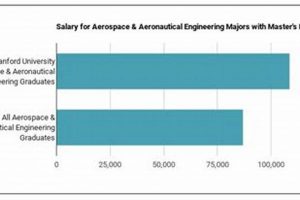
In conclusion, career placement serves as a tangible outcome that reflects the effectiveness of “universities with aerospace programs” in preparing graduates for successful careers or advanced studies. Metrics such as starting salaries, job placement rates, and the types of companies that hire graduates provide valuable insights into the quality and relevance of these programs. Institutions committed to aligning their curricula with industry demands, fostering essential skills, facilitating networking opportunities, and supporting postgraduate education pathways are best positioned to ensure the career success of their graduates.
Frequently Asked Questions About Universities with Aerospace Programs
This section addresses common inquiries regarding institutions offering educational and research opportunities in aerospace engineering. Information provided aims to clarify key aspects relevant to prospective students, researchers, and industry stakeholders.
Question 1: What constitutes accreditation for universities with aerospace programs?
Accreditation, typically granted by organizations such as ABET, signifies that a program meets established standards for curriculum content, faculty qualifications, and available resources. Accreditation assures quality and enhances career prospects.
Question 2: How important is faculty expertise in aerospace programs?
Faculty expertise directly influences the quality of instruction, research opportunities, and overall educational experience. Research contributions, industry experience, and mentorship capabilities are critical attributes.
Question 3: What types of research facilities are typically available in leading aerospace programs?
Research facilities can include wind tunnels, propulsion laboratories, materials testing facilities, and space simulation chambers. These resources enable cutting-edge research and provide students with hands-on experience.
Question 4: What benefits do industry partnerships provide to aerospace engineering students?
Industry partnerships offer opportunities for internships, sponsored research projects, and access to industry expertise. These collaborations enhance curriculum relevance and facilitate career placement.
Question 5: Why do universities with aerospace programs offer specializations?
Specializations allow students to focus on specific areas of interest within aerospace engineering, such as astrodynamics, propulsion, or avionics. They align programs with industry trends and enhance career prospects.
Question 6: How is career placement measured at institutions with aerospace programs?
Career placement is evaluated based on metrics such as job placement rates, starting salaries, and the types of companies that hire graduates. These factors reflect the effectiveness of the program in preparing students for the workforce.
In summary, selecting an institution requires evaluating accreditation, faculty expertise, research facilities, industry partnerships, program specializations, and career placement data. A holistic assessment will assist prospective students in making informed decisions.
The subsequent sections will explore emerging trends and future directions in aerospace engineering education and research.
Universities with Aerospace Programs
This exploration has elucidated the multifaceted nature of universities with aerospace programs, underscoring the pivotal role they play in shaping the future of the aerospace sector. Accreditation, faculty expertise, research facilities, industry partnerships, program specializations, and career placement have been identified as essential components of successful institutions. These elements collectively contribute to the creation of a robust educational environment, fostering innovation and preparing graduates to address the complex challenges of the aerospace domain.
The selection of an appropriate educational institution is a critical decision, one that requires careful consideration of the factors outlined herein. The continued advancement of aerospace technology and the maintenance of global competitiveness depend on the commitment of universities to excellence in aerospace education and research. Further investment in these programs, coupled with a focus on emerging technologies and industry collaborations, will be crucial for sustaining innovation and ensuring the continued success of the aerospace sector.