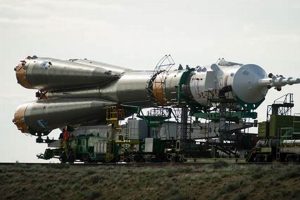
Aerospace engineering concerns itself with the design, development, testing, and production of aircraft and spacecraft. This field involves applying scientific and technological principles to create vehicles that operate within Earth’s atmosphere and in the vast expanse of space. The discipline encompasses a wide range of specializations, from aerodynamics and propulsion systems to structural mechanics and control systems. For example, aerospace engineers might work on developing more fuel-efficient jet engines for commercial airliners or designing advanced spacecraft for missions to Mars.
The importance of this area lies in its ability to advance transportation, communication, and exploration capabilities. Safe and efficient air travel, satellite communication networks, and the ongoing investigation of the solar system are all direct benefits arising from progress in this domain. Historically, aerospace innovation has spurred economic growth, created numerous jobs, and driven advancements in related fields, such as materials science and computer technology. The pursuit of aerospace engineering achievements has often been a catalyst for technological progress across diverse sectors.
The core activities undertaken by professionals in this field span a wide spectrum. Future discussion will delve into specific areas such as aircraft design, spacecraft propulsion, and the challenges of operating in extreme environments. The subsequent sections will examine the principles behind these activities and highlight their impact on the future of air and space travel.
Guidance for Aspiring Aerospace Engineers
This section presents fundamental guidelines intended for individuals interested in pursuing a career focused on the principles and practices governing aircraft and spacecraft.
Tip 1: Establish a Strong Foundation in Mathematics and Physics: A robust understanding of calculus, differential equations, linear algebra, and physics is essential. These disciplines provide the tools necessary to analyze aerodynamic forces, structural stresses, and orbital mechanics. For instance, a firm grasp of fluid dynamics is crucial for designing efficient airfoils.
Tip 2: Develop Proficiency in Computer-Aided Design (CAD) and Simulation Software: Modern engineering relies heavily on digital tools. Familiarity with software such as SolidWorks, CATIA, or ANSYS is crucial for creating and testing designs virtually. The ability to model and simulate complex systems is a vital skill in the field.
Tip 3: Gain Practical Experience through Internships or Research Opportunities: Real-world experience complements theoretical knowledge. Internships at aerospace companies or participation in research projects provide exposure to industry practices and the challenges encountered in engineering design. For example, assisting in a wind tunnel test offers valuable insights into aerodynamic principles.
Tip 4: Cultivate Strong Communication and Teamwork Skills: Aerospace projects are typically collaborative efforts. The ability to communicate ideas effectively, both orally and in writing, and to work effectively within a team, is critical. Engineering design reviews and project presentations require clear and concise communication skills.
Tip 5: Stay Informed About Industry Trends and Technological Advancements: The aerospace field is constantly evolving. Staying abreast of new technologies, such as advanced composite materials, additive manufacturing, and autonomous systems, is essential for maintaining a competitive edge. Reading technical journals and attending industry conferences are effective ways to stay informed.
Tip 6: Consider Specializing in a Specific Area: Aerospace engineering encompasses diverse sub-disciplines, including aerodynamics, propulsion, structural analysis, and control systems. Focusing on a specific area of interest can lead to deeper expertise and greater career opportunities. Specialization enhances focused skill development.
By adhering to these guidelines, aspiring aerospace engineers can better prepare themselves for the challenges and rewards of this demanding yet fulfilling profession. A solid foundation in fundamental principles, combined with practical experience and a commitment to lifelong learning, is crucial for success.
The subsequent discussion will transition into a detailed analysis of key engineering challenges within the aerospace sector.
1. Aircraft Design

Aircraft design is a fundamental aspect of aerospace engineering, directly influencing vehicle performance, safety, and operational capabilities. This branch integrates numerous engineering disciplines to create airworthy and efficient flying machines.
- Aerodynamics
Aerodynamics is critical in determining the shape of an aircraft to minimize drag and maximize lift. Aircraft design involves extensive wind tunnel testing and computational fluid dynamics (CFD) simulations to optimize wing profiles, fuselage shapes, and control surfaces. For example, the design of blended wing body aircraft aims to reduce drag, improving fuel efficiency and increasing range. The study of airflows and their effects is a core element of aircraft design.
- Structural Analysis
Structural analysis ensures that the aircraft can withstand the forces experienced during flight, including lift, drag, thrust, and weight. Aerospace engineers utilize finite element analysis (FEA) to model and analyze the stress distribution within the aircraft’s structure, ensuring it can withstand extreme conditions. For instance, the design of the Boeing 787 Dreamliner incorporated lightweight composite materials to reduce weight while maintaining structural integrity. The strength and integrity of aircraft structures is paramount.
- Propulsion Systems Integration
The design process includes the integration of propulsion systems to provide the necessary thrust for flight. This involves selecting the appropriate engine type and optimizing its placement to maximize efficiency. Considerations include engine weight, fuel consumption, noise levels, and emissions. The Airbus A320neo, for example, incorporates new engine options to improve fuel efficiency and reduce noise pollution. Effective propulsion is essential for aircraft performance.
- Control Systems
Aircraft design also includes the development of control systems to allow pilots to safely and effectively operate the aircraft. These systems involve control surfaces (ailerons, elevators, and rudders), flight control computers, and sensors that provide feedback to the pilot. Fly-by-wire systems, as implemented in modern aircraft like the Airbus A380, enhance stability and maneuverability. Precise and reliable control is vital for flight safety.
Collectively, these facets of aircraft design underscore the multifaceted nature of the field. Every element, from the shape of the wings to the placement of the engines, contributes to the overall performance and safety of the aircraft. These design considerations are central to aerospace engineering and drive continuous innovation in the industry.
2. Spacecraft Propulsion

Spacecraft propulsion constitutes a critical domain within aerospace engineering, directly dictating a spacecraft’s ability to maneuver in space, alter its orbit, and conduct interplanetary missions. The effectiveness of a propulsion system determines the duration, scope, and scientific return of any space exploration endeavor. In essence, the constraints and capabilities of propulsion technology heavily influence the design and operational parameters of all spacecraft. For instance, the development of ion propulsion, while providing low thrust, has enabled missions like NASA’s Dawn spacecraft to visit multiple asteroids, a feat unattainable with traditional chemical rockets due to propellant limitations.
The interface between spacecraft propulsion and other aspects of aerospace engineering is significant. Materials science is crucial for constructing lightweight propellant tanks and nozzles capable of withstanding extreme temperatures and pressures. Control systems must precisely manage thrust vectoring and engine performance for accurate orbital adjustments. Thermal management systems are essential to dissipate heat generated by propulsion systems. Considering the design of the James Webb Space Telescope, for example, efficient propulsion systems were paramount for achieving its precisely calculated orbit around the Sun-Earth L2 Lagrange point, a location requiring minimal station-keeping maneuvers.
Progress in spacecraft propulsion remains essential for future aerospace endeavors, including deep-space exploration and space resource utilization. Challenges include increasing specific impulse (a measure of propellant efficiency), reducing system mass, and developing reusable propulsion technologies. Next-generation propulsion systems, such as advanced chemical rockets, nuclear thermal propulsion, and electric propulsion, are currently under development to address these challenges. The continued research and development of efficient and reliable spacecraft propulsion systems are, therefore, essential to extend the boundaries of space exploration and support the growth of space-based industries.
3. Material science

Material science is fundamentally intertwined with advancements in aircraft and spacecraft technology. The selection, development, and characterization of materials dictate the performance, safety, and longevity of aerospace vehicles operating in extreme environments. Material science, therefore, plays a pivotal role in defining the operational boundaries of aerospace engineering.
- High Strength-to-Weight Ratio Materials
The utilization of materials with high strength-to-weight ratios is essential for reducing structural mass in aircraft and spacecraft. Alloys of aluminum, titanium, and magnesium, along with composite materials such as carbon fiber reinforced polymers (CFRP), are employed to minimize weight while maintaining structural integrity. For instance, the wings of the Boeing 787 Dreamliner are constructed from CFRP, resulting in significant weight savings and improved fuel efficiency compared to traditional aluminum alloys. This directly enhances flight range and reduces operational costs.
- High-Temperature Materials
Components exposed to high temperatures, such as turbine blades in jet engines and heat shields on spacecraft re-entering the atmosphere, require materials with exceptional thermal stability and resistance to oxidation. Nickel-based superalloys and ceramic matrix composites (CMCs) are commonly used in these applications. The space shuttle’s thermal protection system, composed of ceramic tiles, exemplifies the application of high-temperature materials to withstand the extreme heat generated during atmospheric re-entry. Such advancements enable prolonged operational capabilities in harsh environments.
- Corrosion-Resistant Materials
Exposure to corrosive environments, particularly in marine or coastal settings, necessitates the use of materials resistant to degradation. Stainless steels, aluminum alloys with protective coatings, and polymer composites are utilized to mitigate corrosion in aircraft structures and components. Proper material selection and surface treatments prevent structural weakening and extend the lifespan of aerospace vehicles, thereby reducing maintenance costs and improving safety.
- Radiation-Shielding Materials
Spacecraft operating beyond Earth’s magnetosphere are exposed to high levels of ionizing radiation, which can damage electronic components and pose risks to astronauts. Materials with high atomic numbers, such as lead and tungsten, as well as hydrogen-rich materials like polyethylene, are employed to shield spacecraft and habitats from radiation. Effective radiation shielding is crucial for ensuring the reliability of onboard systems and protecting the health of astronauts during long-duration space missions.
These facets of material science highlight its indispensable contribution to aerospace engineering. The continual development of advanced materials enables the design and construction of more efficient, durable, and capable aircraft and spacecraft, facilitating advancements in air travel, space exploration, and satellite technology. Further progress in material science will undoubtedly drive future innovations in the aerospace sector.
4. Flight Mechanics

Flight mechanics, a core component of aerospace engineering, addresses the motion of vehicles through the atmosphere and in space. This discipline is intrinsically linked to the design, analysis, and control of aircraft and spacecraft, impacting their performance, stability, and overall mission effectiveness. An understanding of flight mechanics is essential for ensuring safe and efficient operation within diverse environments, from subsonic airliners to hypersonic reentry vehicles. For example, accurately predicting the trajectory of a spacecraft during launch or reentry requires precise modeling of aerodynamic forces, gravitational effects, and propulsive maneuvers, all elements falling under the purview of flight mechanics.
The practical implications of flight mechanics are far-reaching. In aircraft design, flight mechanics principles guide the placement and sizing of control surfaces to achieve desired maneuverability and stability characteristics. A poorly designed control system, lacking proper consideration of flight mechanics principles, can lead to unstable flight behavior, potentially resulting in catastrophic consequences. In spacecraft operations, flight mechanics is used to plan optimal trajectories for orbital transfers, rendezvous maneuvers, and atmospheric entries. The success of missions such as the Apollo lunar landings and the Mars rovers relied heavily on accurate predictions and precise control of spacecraft motion, facilitated by the application of flight mechanics.
In summary, flight mechanics plays a crucial role in aerospace engineering by providing the theoretical framework and analytical tools necessary to understand and predict the motion of aerospace vehicles. Its significance extends to the design, control, and operational aspects of both aircraft and spacecraft, ensuring safety, efficiency, and mission success. Challenges in flight mechanics often involve complex, non-linear dynamics and uncertainties in environmental conditions, demanding continuous research and development of advanced modeling and control techniques to meet the evolving demands of aerospace technology.
5. Control Systems

Control systems constitute a critical element within aerospace engineering, enabling the stable and precise operation of aircraft and spacecraft. These systems manage various aspects of vehicle behavior, including attitude, altitude, velocity, and trajectory, thereby ensuring mission success and operational safety. The effectiveness of control systems directly affects the performance of everything from commercial airliners to interplanetary probes, highlighting their indispensable nature.
The influence of control systems extends to diverse areas. In aircraft, they maintain stability during turbulent conditions, execute complex maneuvers, and automate flight operations, reducing pilot workload and enhancing safety. Fly-by-wire systems, for example, employ sophisticated algorithms to interpret pilot inputs and translate them into precise control surface movements, optimizing aerodynamic performance and preventing stalls. In spacecraft, control systems are essential for orbital maintenance, attitude control, and guidance during interplanetary travel. Precise adjustments using thrusters, reaction wheels, and control moment gyros allow spacecraft to maintain their orientation and follow planned trajectories over vast distances.
In summary, the interconnection between control systems and aerospace engineering is integral. The former makes possible the reliable execution of complex flight plans and missions. Ongoing advancements in control theory, sensor technology, and computational capabilities will continue to drive innovation in this field, enhancing the performance, safety, and autonomy of future aerospace vehicles. The complexity and challenges inherent in designing and implementing robust control systems underscore their continuing importance to aerospace engineering’s progress.
Frequently Asked Questions About Aerospace Engineering
The following section addresses common inquiries concerning the field of aerospace engineering. The information presented aims to clarify the scope and nature of this discipline.
Question 1: What specific types of vehicles does aerospace engineering encompass?
Aerospace engineering concerns itself with a broad range of vehicles designed for operation within Earth’s atmosphere and in outer space. This includes, but is not limited to, commercial and military aircraft, helicopters, unmanned aerial vehicles (UAVs), satellites, rockets, and spacecraft.
Question 2: How does aerospace engineering differ from aeronautical engineering?
Aeronautical engineering focuses primarily on vehicles that operate within Earth’s atmosphere. Aerospace engineering, however, encompasses both atmospheric and space environments, thus including spacecraft and related technologies in its scope.
Question 3: What are the primary disciplines within aerospace engineering?
Key disciplines include aerodynamics, propulsion, structural analysis, control systems, materials science, and flight mechanics. These areas are integrated to design, develop, test, and manufacture aerospace vehicles.
Question 4: What role does mathematics play in aerospace engineering?
Mathematics is fundamental to aerospace engineering. Calculus, differential equations, linear algebra, and numerical methods are essential tools for analyzing aerodynamic forces, structural stresses, orbital mechanics, and control system behavior.
Question 5: What is the importance of computer-aided design (CAD) in aerospace engineering?
CAD software is essential for creating detailed 3D models of aerospace vehicles and their components. It enables engineers to simulate performance, analyze stress, and optimize designs before physical prototypes are constructed, thereby reducing costs and development time.
Question 6: What are the main challenges currently facing aerospace engineers?
Current challenges include developing more fuel-efficient aircraft, designing spacecraft for long-duration missions, creating sustainable propulsion systems, mitigating space debris, and advancing autonomous flight capabilities.
The preceding answers offer a concise overview of common questions related to aerospace engineering, providing a foundation for understanding its scope and significance.
The subsequent section will summarize the key points discussed, offering a cohesive perspective on what defines aerospace engineering.
Conclusion
Aerospace engineering, as this exploration has demonstrated, deals with the intricate design, development, and production of vehicles capable of traversing both Earth’s atmosphere and the expanse of space. It is a field characterized by its multidisciplinary nature, drawing upon principles of aerodynamics, propulsion, structural mechanics, materials science, and control systems to achieve its ambitious goals. The creation of safer, more efficient aircraft, the advancement of space exploration capabilities, and the development of cutting-edge satellite technologies are all direct consequences of progress within this critical engineering domain.
The ongoing pursuit of innovation in aerospace engineering remains paramount to addressing future challenges in transportation, communication, and scientific discovery. Continued investment in research, education, and technological advancement is essential to unlocking new possibilities and ensuring sustained progress in this vital sector. The complex problems it addresses necessitate unwavering dedication and collaborative efforts to achieve solutions that benefit society as a whole.


![Top-Tier Aerospace Engineering Faculty | [University Name] | Innovating the Future of Flight with Reliable Aviation Solutions](https://mixaerospace.com/wp-content/uploads/2026/05/th-300x200.jpg "Top-Tier Aerospace Engineering Faculty | [University Name] Innovating the Future of Flight with Reliable Aviation Solutions")