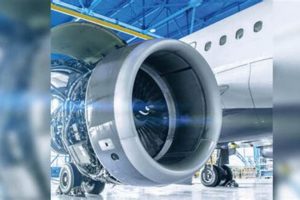
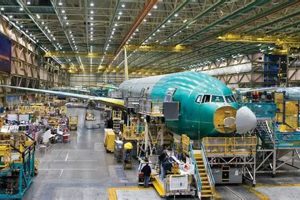
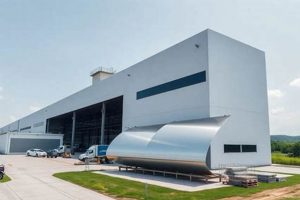
This sector encompasses the businesses and governmental organizations involved in the research, development, design, manufacturing, operation, and maintenance of systems and components for flight and space. It also includes entities dedicated to the creation and provision of military equipment, services, and technologies. Activities range from building commercial aircraft and spacecraft to producing sophisticated weaponry and defense systems. For example, a company designing advanced navigation systems for airliners or a government agency developing missile defense technology both operate within this sector.
Its significance lies in its contribution to national security, technological advancement, and economic growth. Historically, it has been a driver of innovation, fostering breakthroughs in materials science, engineering, and computing. The benefits extend beyond defense applications, often leading to civilian technologies that improve everyday life. Investment in this domain spurs job creation, supports scientific research, and enhances a nation’s ability to protect its interests and project power.
The following sections will delve deeper into specific areas within this crucial domain, exploring current trends, emerging technologies, and the key players shaping its future trajectory. This will involve examining topics such as unmanned aerial vehicles, cybersecurity solutions for defense, and the evolving landscape of space exploration.
Guidance in the Aerospace and Defense Sector
Navigating this complex landscape requires diligence and strategic awareness. The following points offer guidance for stakeholders operating within or considering engagement with this industry.
Tip 1: Emphasize Rigorous Quality Control: Given the critical nature of the products and services, maintaining stringent quality assurance processes is paramount. This includes adherence to industry standards and certifications.
Tip 2: Prioritize Innovation and Research: Staying competitive demands continuous investment in research and development to create cutting-edge technologies and solutions.
Tip 3: Foster Strong Cybersecurity Practices: Protecting sensitive data and systems from cyber threats is essential. Implement robust security protocols and conduct regular vulnerability assessments.
Tip 4: Understand Regulatory Compliance: The sector is heavily regulated; therefore, companies must meticulously adhere to all applicable laws and regulations, including export controls and environmental standards.
Tip 5: Cultivate Strategic Partnerships: Collaboration with other organizations, including government agencies, research institutions, and private companies, can enhance capabilities and market access.
Tip 6: Invest in Skilled Workforce Development: The industry requires a highly skilled workforce. Prioritize training and development programs to attract and retain qualified personnel.
Tip 7: Monitor Geopolitical Trends: Global political and economic developments significantly impact the demand for aerospace and defense products and services. Stay informed about these trends.
Adherence to these principles can contribute to success and sustainability within this demanding and evolving field. Strategic adaptation and a commitment to excellence are essential for navigating its complexities.
The subsequent sections will further explore specific challenges and opportunities within this dynamic sector, providing a more detailed analysis of key trends and emerging innovations.
1. Technological Innovation

Technological innovation serves as the engine that drives advancement within the aerospace and defense sector. It is not merely an ancillary component but a fundamental force shaping capabilities, strategies, and the very nature of modern warfare and air travel. The relentless pursuit of technological superiority defines the competitive landscape and underpins national security interests.
- Advanced Materials Science
The development and application of novel materials, such as composites, alloys, and ceramics, with enhanced strength-to-weight ratios, heat resistance, and durability are critical. Examples include carbon fiber composites used in aircraft construction and advanced alloys for turbine blades in jet engines. These advancements enable lighter, faster, and more efficient aircraft and spacecraft.
- Artificial Intelligence and Autonomous Systems
The integration of artificial intelligence (AI) and autonomous systems is transforming military and civilian operations. AI algorithms are used for tasks such as threat detection, target recognition, and autonomous navigation. Unmanned aerial vehicles (UAVs) equipped with AI capabilities are increasingly deployed for surveillance, reconnaissance, and combat missions, reducing risk to human personnel.
- Cybersecurity and Electronic Warfare
As systems become increasingly interconnected and reliant on digital technologies, cybersecurity becomes paramount. Developing robust cybersecurity measures to protect critical infrastructure and sensitive data from cyberattacks is essential. Electronic warfare capabilities, including jamming and electronic countermeasures, play a crucial role in disrupting enemy communications and radar systems.
- Hypersonic Technologies
The development of hypersonic technologies, enabling flight speeds exceeding Mach 5, represents a significant leap forward. Hypersonic missiles and aircraft offer greatly reduced response times and increased maneuverability, posing new challenges for existing defense systems. Research and development in this area are focused on overcoming technical hurdles related to propulsion, materials, and aerodynamics.
These technological advancements are intertwined with the broader objectives, requiring constant adaptation and strategic foresight. The aerospace and defense sphere serves as a crucible for innovation, where cutting-edge technologies are conceived, refined, and deployed, ultimately influencing the trajectory of global affairs and the advancement of human knowledge.
2. National Security

National security is inextricably linked to this sector. It is not simply a beneficiary of its products and services, but a fundamental driver shaping its direction and priorities. The sector provides the tools and technologies necessary for a nation to protect its sovereignty, its interests, and its citizens from both internal and external threats.
- Deterrence and Power Projection
A robust military capability, supported by advanced aerospace and defense technologies, acts as a deterrent against potential adversaries. This includes maintaining a credible air force, naval power, and strategic missile defense systems. Furthermore, the ability to project power globally, through the deployment of military assets and the provision of logistical support, is essential for safeguarding national interests in an increasingly interconnected world. Aircraft carriers, long-range bombers, and advanced surveillance satellites are examples of systems that contribute to this capability.
- Intelligence Gathering and Surveillance
Intelligence is critical for anticipating threats and making informed decisions. The aerospace and defense sector plays a vital role in developing and deploying intelligence-gathering assets, including reconnaissance aircraft, surveillance satellites, and advanced sensor technologies. These systems provide real-time information about potential adversaries, allowing for timely responses to emerging threats. For example, satellite imagery can be used to monitor troop movements, while signals intelligence can intercept enemy communications.
- Cyber Defense and Information Warfare
The digital realm has become a new battlefield. Protecting critical infrastructure, government networks, and sensitive data from cyberattacks is essential for national security. The aerospace and defense sector develops and implements cybersecurity solutions, including firewalls, intrusion detection systems, and encryption technologies. Furthermore, capabilities in information warfare, such as propaganda and disinformation campaigns, are increasingly important for shaping public opinion and influencing enemy behavior.
- Border Security and Homeland Defense
Securing national borders and protecting civilian populations from terrorist attacks are paramount. The sector provides technologies for border surveillance, including drones, radar systems, and facial recognition software. Homeland defense systems, such as missile interceptors and air defense batteries, are designed to protect against airborne threats. Law enforcement agencies rely on these technologies to detect and prevent illegal activities, such as drug trafficking and human smuggling.
In conclusion, national security is a multi-faceted concept that relies heavily on the technological capabilities and innovative solutions provided by this sector. The ability to deter aggression, gather intelligence, defend against cyberattacks, and secure borders is essential for maintaining sovereignty and protecting national interests. The constant evolution of threats requires continuous investment in research and development, ensuring that a nation remains at the forefront of aerospace and defense technology.
3. Economic Impact

The economic ramifications stemming from this sector are substantial and far-reaching, constituting a significant element of national economies. These impacts extend beyond direct revenue generation, influencing employment, technological spin-offs, and international trade balances.
- Job Creation and Employment
The sector serves as a significant employer, encompassing a wide array of skilled professionals, from engineers and scientists to technicians and manufacturing personnel. The creation of these jobs stimulates local economies and fosters workforce development. For example, the establishment of a new aircraft manufacturing facility generates thousands of jobs directly and indirectly, supporting local businesses and increasing tax revenues.
- Research and Development Investment
This sector is a major driver of research and development (R&D), pushing the boundaries of scientific knowledge and technological innovation. Investments in R&D lead to breakthroughs in materials science, propulsion systems, and communication technologies, which can have broader applications across various industries. Government funding and private sector initiatives contribute to a cycle of continuous improvement and technological advancement.
- Exports and Trade Balance
Many nations rely on this sector for a substantial portion of their export earnings. The sale of aircraft, defense systems, and related technologies contributes significantly to a country’s trade balance and strengthens its position in the global market. International collaborations and partnerships further enhance export opportunities and foster economic cooperation between nations.
- Technological Spin-Offs and Innovation Diffusion
Technologies initially developed for aerospace and defense purposes often find applications in civilian sectors, leading to technological spin-offs that benefit society as a whole. Examples include GPS technology, originally developed for military navigation, which is now ubiquitous in civilian applications, and advanced materials developed for aircraft construction, which are used in medical devices and sporting equipment.
The economic impacts are multifaceted, demonstrating the sector’s crucial role in driving innovation, creating jobs, and strengthening national economies. These contributions underline the strategic importance beyond its primary function of national defense, influencing a nation’s economic prosperity and technological advancement.
4. Global Trade

The exchange of aerospace and defense products and services forms a significant component of international commerce. This trade encompasses the sale of aircraft, defense systems, components, and related services, influencing economic relationships between nations. The demand for advanced military technologies, commercial aircraft, and space-related equipment drives substantial cross-border transactions. These transactions are often governed by complex international regulations and agreements, designed to ensure responsible transfer of technology and adherence to national security interests.
One notable example is the global market for commercial aircraft. Companies such as Boeing and Airbus compete to supply airlines worldwide, contributing billions of dollars to their respective national economies and supporting thousands of jobs. Similarly, the sale of military equipment, such as fighter jets and missile defense systems, plays a crucial role in defense alliances and geopolitical strategies. However, these transactions are subject to intense scrutiny, with governments carefully considering the potential impact on regional stability and the proliferation of advanced weaponry. The flow of technology and expertise inherent in global trade also fosters innovation and collaboration, leading to the development of more efficient and advanced aerospace and defense systems.
In summary, global trade is a critical dimension of the aerospace and defense sector. It not only facilitates the distribution of essential products and services but also shapes international relations, drives technological advancements, and contributes significantly to national economies. Understanding the dynamics of this trade, including its regulations, competitive landscape, and strategic implications, is essential for stakeholders operating within or interacting with the industry.
5. Regulatory Oversight
The sector operates under stringent regulatory oversight due to the inherent risks and strategic implications associated with its products and services. These regulations are designed to ensure safety, security, and compliance with international agreements, influencing every aspect of the industry from design and manufacturing to export and operation.
- Safety Standards and Certifications
Aircraft design, manufacturing, and maintenance are governed by rigorous safety standards set by regulatory agencies such as the Federal Aviation Administration (FAA) in the United States and the European Aviation Safety Agency (EASA) in Europe. These agencies establish airworthiness requirements and conduct inspections to ensure that aircraft meet the necessary safety standards. Compliance with these regulations is essential for obtaining certifications that allow aircraft to operate commercially.
- Export Controls and International Arms Treaties
The export of military equipment and sensitive technologies is subject to strict export controls implemented by national governments to prevent the proliferation of weapons and maintain national security. International arms treaties, such as the Arms Trade Treaty (ATT), impose obligations on signatory states to regulate the trade in conventional arms and prevent their diversion to unauthorized recipients. These regulations require companies to obtain licenses and permits for the export of controlled items, and governments monitor these transactions to ensure compliance.
- Environmental Regulations
The sector is increasingly subject to environmental regulations aimed at reducing its carbon footprint and minimizing its impact on the environment. These regulations include emissions standards for aircraft engines, restrictions on the use of hazardous materials in manufacturing processes, and requirements for the disposal of waste. Compliance with these regulations requires companies to invest in cleaner technologies and adopt sustainable practices.
- Cybersecurity Regulations
With the increasing reliance on digital technologies, cybersecurity has become a major concern. Regulatory bodies are implementing cybersecurity regulations to protect sensitive data and critical infrastructure from cyber threats. These regulations require companies to implement robust security measures, conduct regular vulnerability assessments, and report security breaches to the appropriate authorities. Compliance with these regulations is essential for maintaining the confidentiality, integrity, and availability of aerospace and defense systems.
The multifaceted nature of regulatory oversight underscores its importance in shaping the sector. These regulations not only ensure safety, security, and environmental responsibility but also influence innovation, competition, and international relations within the sphere. Compliance with these mandates requires a commitment to ethical conduct and continuous improvement, ultimately contributing to the sustainability and integrity of the industry.
6. Engineering Expertise
Engineering expertise is the cornerstone of the aerospace and defense sector. Without advanced engineering capabilities, the development, production, and sustainment of complex systems within this sphere would be impossible. This expertise spans a multitude of disciplines and represents a critical asset for both commercial and national security objectives.
- Aerospace Engineering Design
This facet involves the conceptualization, design, and analysis of aircraft, spacecraft, satellites, and related systems. It encompasses aerodynamics, structural analysis, propulsion systems, and control systems. For example, the design of a new fighter jet requires engineers to optimize its aerodynamic performance, ensure structural integrity under extreme conditions, and integrate advanced avionics systems. The ability to design efficient, reliable, and high-performing aerospace systems is paramount for maintaining a competitive edge in both commercial and military applications.
- Mechanical Engineering for Defense Systems
Mechanical engineers are responsible for the design, development, and manufacturing of mechanical components and systems used in defense applications. This includes engines, weapon systems, and ground vehicles. For instance, mechanical engineers play a crucial role in designing and testing the engine of a main battle tank or developing the firing mechanism of a howitzer. Precision engineering and durability are crucial considerations in this context, ensuring that defense systems perform reliably under demanding conditions.
- Electrical and Electronics Engineering for Avionics
Electrical and electronics engineers are integral to the development of avionics systems, which are the electronic systems used on aircraft and spacecraft. This includes navigation systems, communication systems, radar systems, and electronic warfare systems. The design and integration of these complex systems require expertise in signal processing, embedded systems, and electromagnetic compatibility. An example is the development of a modern radar system for an early warning aircraft, enabling the detection and tracking of targets over long distances.
- Systems Engineering and Integration
Systems engineering involves the holistic design, development, and integration of complex systems, ensuring that all components work together effectively to meet specified requirements. This discipline is critical for integrating disparate technologies and subsystems into a cohesive whole. For example, the development of an integrated missile defense system requires systems engineers to coordinate the efforts of multiple teams working on radar systems, missile interceptors, and command and control networks. Effective systems engineering is essential for managing the complexity and ensuring the reliability of these critical systems.
The demand for skilled engineers in these specialized areas is constant. A nation’s capacity to cultivate and sustain a robust engineering workforce directly influences its competitiveness and its ability to maintain a technological advantage in an ever-evolving global landscape. The continued emphasis on engineering excellence is therefore vital for the sustained success within the realm of aerospace and defense.
7. Manufacturing Capability

Manufacturing capability is an indispensable component of the aerospace and defense sector. It directly dictates the ability to transform engineering designs and technological innovations into tangible products and systems. A robust manufacturing base ensures that nations can produce the complex hardware required for both defense and civilian applications, impacting economic strength and national security. The absence of a competent manufacturing infrastructure relegates a nation to a position of dependence on foreign suppliers, creating vulnerabilities in strategic autonomy.
For example, the construction of modern military aircraft requires advanced manufacturing techniques, including precision machining, composite material fabrication, and sophisticated electronics assembly. Companies such as Lockheed Martin and Boeing maintain extensive manufacturing facilities to produce fighter jets, transport aircraft, and missile systems. Similarly, the production of commercial airliners necessitates large-scale manufacturing operations, involving the integration of components from numerous suppliers across the globe. Efficient and reliable manufacturing processes are critical for meeting demanding production schedules and ensuring product quality. The capability to rapidly scale production in response to changing demands or geopolitical events is also a crucial consideration. Investment in advanced manufacturing technologies, such as additive manufacturing and robotics, is essential for maintaining competitiveness and reducing production costs.
In conclusion, manufacturing capability is not merely a supporting function within the aerospace and defense sector; it is a fundamental pillar upon which the industry rests. The ability to translate designs into reality determines a nation’s capacity to equip its military forces, develop commercial aerospace products, and maintain a competitive advantage in the global market. Continuous investment in manufacturing technologies and skilled labor is therefore essential for ensuring the long-term health and viability of this crucial sector.
Frequently Asked Questions About the Aerospace and Defense Sector
This section addresses common inquiries concerning the scope, function, and impact of the aerospace and defense sector. The information provided aims to clarify misconceptions and offer a comprehensive overview.
Question 1: What constitutes the core activities within this sector?
The core activities encompass the research, development, design, manufacturing, operation, and maintenance of systems and components for flight, space, and national defense. This includes commercial aircraft, military hardware, spacecraft, and related technologies and services.
Question 2: How does this sector contribute to national economies?
The sector drives economic growth through job creation, research and development investment, exports, and technological spin-offs. It generates significant revenue and supports a wide range of skilled professions.
Question 3: What role does innovation play in this industry?
Innovation is critical for maintaining competitiveness and advancing national security. The sector continually seeks advancements in materials science, propulsion systems, artificial intelligence, and cybersecurity.
Question 4: Why is regulatory oversight so stringent in this field?
Stringent regulatory oversight is necessary to ensure safety, security, and compliance with international agreements. Regulations cover design, manufacturing, export controls, and environmental standards.
Question 5: How does the aerospace and defense sector impact international relations?
The sector influences international relations through the global trade of military equipment and aerospace technologies. These transactions are often intertwined with geopolitical strategies and defense alliances.
Question 6: What are the primary skills and expertise required for professionals in this area?
Primary skills and expertise encompass aerospace engineering, mechanical engineering, electrical engineering, systems engineering, and project management. A strong foundation in mathematics, physics, and computer science is also essential.
The provided answers highlight the key aspects of this multifaceted sector, underscoring its strategic significance and far-reaching impact.
The following section will delve into future trends and emerging challenges within the aerospace and defense domain.
Conclusion
The preceding analysis clarifies the multi-faceted nature of the aerospace and defense industry. It encompasses a broad spectrum of activities, ranging from basic research and development to complex manufacturing and global trade. The industry’s significance extends beyond economic contributions, directly impacting national security, technological progress, and international relations.
Continued vigilance is paramount to addressing emerging challenges and capitalizing on future opportunities within this vital sector. Stakeholders must remain committed to innovation, ethical conduct, and strategic foresight to ensure its sustained success and responsible development in an increasingly complex world.