An aerospace engineering degree equips individuals with the technical skills necessary for designing, developing, and testing aircraft, spacecraft, satellites, and missiles. This specialized field blends principles of aerodynamics, propulsion, materials science, and control systems to create innovative solutions for the aerospace industry and beyond. As an example, graduates may contribute to the design of more fuel-efficient aircraft or the development of advanced satellite communication systems.
A robust understanding of aerospace principles offers numerous benefits, contributing significantly to technological advancement and economic growth. Historically, the aerospace sector has been a driving force behind groundbreaking innovations, from jet propulsion to space exploration. Its continued growth and the increasing demand for skilled engineers ensure the sustained relevance and importance of this field.
The following sections will explore specific sectors and roles where individuals holding this qualification are employed, detailing common career paths and potential areas of specialization, ultimately helping understand career opportunities.
Successfully navigating the job market with a degree in aerospace engineering requires strategic planning and targeted action. The following tips provide guidance on maximizing career prospects.
Tip 1: Specialize Expertise. Focus studies and projects on a specific area, such as propulsion systems, aerodynamics, or structural analysis. Specialization can make candidates highly sought after in niche areas within the broader aerospace field.
Tip 2: Develop Software Proficiency. Acquire skills in relevant software packages, including CAD (Computer-Aided Design), CFD (Computational Fluid Dynamics), and simulation tools. Employers value candidates capable of utilizing industry-standard software for design and analysis.
Tip 3: Pursue Internships Strategically. Seek internships with reputable aerospace companies, government agencies, or research institutions. Internships provide practical experience, industry connections, and potential pathways to full-time employment.
Tip 4: Build a Professional Network. Attend industry conferences, join professional organizations (e.g., AIAA), and connect with aerospace professionals online. Networking expands job opportunities and provides insights into industry trends.
Tip 5: Tailor Resume and Cover Letter. Customize applications to highlight skills and experiences directly relevant to the specific job description. Emphasize accomplishments and quantify contributions whenever possible.
Tip 6: Prepare for Technical Interviews. Practice answering common technical interview questions related to aerospace engineering principles and problem-solving skills. Be prepared to discuss projects, explain concepts, and demonstrate analytical abilities.
Effective application of these tips increases the likelihood of securing a fulfilling and impactful career in the aerospace engineering sector. Proactive career planning and skills development are essential for success.
The subsequent sections will delve into long term prospects.
1. Aircraft Manufacturing

Aircraft manufacturing represents a core employment sector for individuals possessing a degree in aerospace engineering. This field encompasses the design, production, testing, and maintenance of both commercial and military aircraft, demanding a diverse skillset and offering numerous specialized roles.
- Aerodynamic Design and Analysis
Aerospace engineers are instrumental in optimizing aircraft shapes and wing designs to minimize drag and maximize lift. They utilize computational fluid dynamics (CFD) software and wind tunnel testing to validate designs, ensuring fuel efficiency and performance. For example, engineers may work on designing winglets to reduce induced drag, leading to significant fuel savings for airlines. This directly impacts aircraft operational costs and environmental footprint.
- Structural Integrity and Materials Selection
Ensuring the structural integrity of an aircraft is paramount. Aerospace engineers analyze stress and strain on aircraft components to select appropriate materials, such as lightweight alloys and composites. They conduct fatigue testing and simulations to predict the lifespan of structural components, ensuring passenger safety and compliance with regulatory standards. For instance, engineers may be involved in selecting carbon fiber composites for fuselage construction to reduce weight and improve fuel efficiency.
- Propulsion Systems Integration
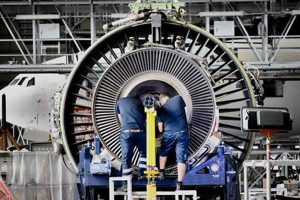
Integrating propulsion systems, including jet engines and turboprops, into aircraft designs requires expertise in thermodynamics, fluid mechanics, and control systems. Aerospace engineers are responsible for optimizing engine placement, designing intake and exhaust systems, and ensuring efficient fuel delivery. They work on minimizing noise emissions and maximizing engine performance. An example is the development of advanced engine nacelle designs to reduce drag and improve fuel consumption.
- Avionics and Control Systems
Modern aircraft rely on sophisticated avionics and control systems. Aerospace engineers design and integrate flight control systems, navigation systems, and communication systems. They develop software and hardware that ensure safe and efficient flight operations, including autopilot systems and fly-by-wire technology. For example, engineers may be involved in developing and testing new flight control algorithms to improve aircraft stability and maneuverability.
The multifaceted nature of aircraft manufacturing provides a wide array of opportunities for aerospace engineering graduates. From design and analysis to testing and integration, the industry demands a comprehensive understanding of aerospace principles and offers fulfilling careers in advancing aviation technology and safety. The demand for engineers in this sector remains strong as aircraft manufacturers continually strive to develop more efficient, safer, and environmentally friendly aircraft.
2. Spacecraft Development

Spacecraft development represents a critical area where expertise gained from a degree in aerospace engineering finds direct application. This sector encompasses the design, construction, testing, and operation of satellites, probes, and other vehicles intended for space exploration and utilization. The complex requirements of spacecraft necessitate specialized knowledge in areas such as orbital mechanics, thermal management, radiation shielding, and propulsion systems. As a result, it offers a diverse range of opportunities for engineers with the requisite skills. For instance, the development of the James Webb Space Telescope involved numerous aerospace engineers who contributed to its optical design, structural integrity, and deployment mechanisms, highlighting the direct impact of engineering expertise on scientific advancement.
The significance of spacecraft development extends beyond scientific discovery. Satellite technology is essential for communication, navigation, weather forecasting, and Earth observation. These applications have profound economic and societal implications. Engineers in this sector may work on designing communication satellites to provide internet access to remote areas, developing navigation systems for autonomous vehicles, or creating Earth observation satellites to monitor climate change and agricultural productivity. Furthermore, the increasing commercialization of space, driven by private companies like SpaceX and Blue Origin, creates new avenues for aerospace engineers to contribute to space tourism, resource extraction, and manufacturing in space.
Successful engagement in spacecraft development requires a strong foundation in fundamental aerospace engineering principles coupled with specialized knowledge of spacecraft-specific technologies. Challenges in this field include overcoming the harsh conditions of space, ensuring reliability over long durations, and managing complex integration processes. However, the sector offers the opportunity to contribute to groundbreaking advancements in space exploration and to develop technologies with tangible benefits for humanity. The demand for skilled aerospace engineers in spacecraft development remains high as space activities continue to expand and diversify.
3. Defense Sector

The defense sector represents a significant employer of aerospace engineering graduates. The application of aerospace principles within defense encompasses the design, development, and maintenance of military aircraft, missile systems, and related technologies, all demanding specialized expertise.
- Military Aircraft Design and Development
Aerospace engineers contribute to the design of advanced fighter jets, transport aircraft, and surveillance platforms. This work involves optimizing aerodynamic performance, enhancing structural integrity, and integrating advanced avionics systems. The development of the F-35 Lightning II, for example, required aerospace engineers to address complex challenges in stealth technology, sensor fusion, and multirole capabilities, exemplifying the demands of defense-related projects.
- Missile Systems Engineering
The design and development of missile systems demand expertise in propulsion, guidance, and control systems. Aerospace engineers are involved in developing ballistic missiles, cruise missiles, and air-to-air missiles. This often includes working on improving range, accuracy, and payload delivery capabilities. Projects like the development of hypersonic weapons systems highlight the cutting-edge nature of this work.
- Unmanned Aerial Vehicles (UAVs)
UAVs, or drones, have become increasingly important in modern warfare and surveillance. Aerospace engineers design and develop UAVs for various applications, including reconnaissance, target designation, and combat operations. This includes optimizing UAV aerodynamics, designing control systems, and integrating sensors and communication systems. The development of long-endurance surveillance drones demonstrates the critical role of aerospace engineers in this domain.
- Countermeasures and Defense Systems
Development of advanced countermeasures and defense systems to protect military assets from aerial threats is a key area. This includes designing systems to detect, track, and neutralize incoming missiles or aircraft. Expertise in radar technology, electronic warfare, and directed energy weapons is often required. Designing effective defense systems against advanced threats involves complex engineering challenges and ongoing innovation.
The defense sector provides diverse career opportunities for aerospace engineers. These roles involve contributing to the development of advanced technologies that are critical for national security. The challenges are significant, but the work offers the opportunity to apply aerospace engineering principles to solve real-world problems with substantial impact.
4. Research Institutions

Research institutions represent a crucial avenue for individuals with expertise gained through a degree in aerospace engineering. These organizations, encompassing universities, government laboratories, and private research centers, serve as hubs for advancing aerospace knowledge and developing cutting-edge technologies. They provide opportunities to engage in fundamental research, applied engineering, and technology transfer, thereby shaping the future of the aerospace industry.
- Fundamental Research in Aerospace Science
Research institutions conduct fundamental research in core aerospace disciplines, including aerodynamics, propulsion, materials science, and control systems. This research aims to expand the theoretical understanding of these fields, leading to the development of new concepts and technologies. For instance, researchers may investigate novel methods for boundary layer control to reduce aircraft drag or explore the properties of advanced composite materials for spacecraft structures. These advancements underpin future innovations in aerospace engineering.
- Applied Engineering and Technology Development
Beyond fundamental research, these institutions also engage in applied engineering, translating theoretical concepts into practical technologies. This often involves developing and testing prototypes, conducting simulations, and validating designs. For example, researchers may work on developing new propulsion systems for hypersonic vehicles or designing advanced sensors for satellite Earth observation. This applied work directly contributes to the advancement of aerospace capabilities.
- Collaboration with Industry and Government
Research institutions frequently collaborate with industry partners and government agencies on aerospace-related projects. These collaborations facilitate the transfer of knowledge and technology from the research lab to the real world. Universities may partner with aerospace companies to develop new aircraft designs, while government laboratories may work with private firms to commercialize space technologies. These partnerships are crucial for driving innovation and ensuring that research findings have practical applications.
- Education and Training of Future Engineers
Research institutions play a vital role in educating and training the next generation of aerospace engineers. Students at these institutions have the opportunity to participate in cutting-edge research projects, work alongside experienced researchers, and gain hands-on experience in aerospace engineering. This training equips them with the skills and knowledge necessary to pursue successful careers in the aerospace industry. Furthermore, these institutions often offer advanced degrees in aerospace engineering, allowing students to specialize in specific areas of research.
In summary, research institutions provide a dynamic and intellectually stimulating environment for aerospace engineers. Their focus on advancing knowledge, developing new technologies, and training future engineers makes them essential contributors to the aerospace industry. Individuals seeking to push the boundaries of aerospace engineering, engage in cutting-edge research, and contribute to the future of flight and space exploration will find compelling career opportunities within these institutions.
5. Government Agencies
Government agencies represent significant employers for individuals holding aerospace engineering degrees. These agencies oversee space exploration, aviation regulation, and defense-related aerospace projects, offering a range of career paths.
- NASA (National Aeronautics and Space Administration)
NASA conducts research, develops technologies, and operates space missions. Aerospace engineers at NASA contribute to spacecraft design, mission planning, and systems integration. The Artemis program, aiming to return humans to the Moon, requires extensive aerospace engineering expertise. This program exemplifies the large-scale projects and opportunities within NASA for those with relevant degrees.
- FAA (Federal Aviation Administration)
The FAA regulates civil aviation, ensuring safety and efficiency. Aerospace engineers at the FAA work on aircraft certification, air traffic management, and aviation safety standards. The FAA’s role in implementing NextGen, an initiative to modernize the air transportation system, demonstrates its need for engineers with expertise in airspace design and aviation technology.
- DoD (Department of Defense)
The DoD employs aerospace engineers in various branches, including the Air Force, Army, and Navy. These engineers work on military aircraft, missile systems, and defense technologies. The development of advanced weapons systems and the maintenance of existing military aircraft fleets create continuous demand for aerospace engineering expertise within the DoD.
- National Laboratories
National laboratories, such as Sandia National Laboratories and Lawrence Livermore National Laboratory, conduct research and development in areas related to national security and energy. Aerospace engineers at these labs contribute to projects involving hypersonic flight, advanced materials, and space-based systems. The labs’ involvement in maintaining the nation’s nuclear deterrent also requires expertise in missile systems and aerospace technologies.
These examples demonstrate the multifaceted roles available within government agencies for aerospace engineers. Contributions range from designing space exploration missions to ensuring aviation safety and developing defense technologies. Government agencies offer stable career paths and the opportunity to work on projects with national importance.
Frequently Asked Questions
The following addresses common inquiries related to career paths and opportunities associated with a degree in aerospace engineering.
Question 1: What specific skills are most valued by employers in the aerospace industry?
Employers typically value a strong foundation in aerodynamics, propulsion, structures, and control systems. Proficiency with relevant software packages such as CAD, CFD, and MATLAB is also highly desirable. Strong analytical and problem-solving skills are essential, as is the ability to work effectively in teams.
Question 2: Is advanced education, such as a master’s degree or Ph.D., necessary for career advancement?
While not always mandatory, advanced education can significantly enhance career prospects and open doors to more specialized and research-oriented roles. A master’s degree is often advantageous for pursuing leadership positions or specializing in a particular area. A Ph.D. is typically required for research and academic positions.
Question 3: How important are internships and co-op experiences for aerospace engineering students?
Internships and co-op experiences are extremely valuable. They provide practical experience, industry connections, and a competitive edge in the job market. Employers often view these experiences as indicators of a candidate’s ability to apply theoretical knowledge to real-world problems.
Question 4: What are the typical salary ranges for aerospace engineers in different sectors?
Salary ranges vary depending on experience, education, location, and industry sector. Generally, aerospace engineers can expect competitive salaries, with potential for significant growth as they gain experience and expertise. Positions in specialized areas or high-demand locations may command higher salaries.
Question 5: What are the long-term career prospects for aerospace engineers?
The long-term career prospects for aerospace engineers remain strong. Continued growth in the aviation and space sectors, as well as ongoing demand for advanced technologies, ensures a sustained need for skilled engineers. Emerging areas such as commercial space travel and unmanned aerial vehicles (UAVs) offer new opportunities for career advancement.
Question 6: Are there opportunities for aerospace engineers outside of the traditional aerospace industry?
Yes, the skills acquired through an aerospace engineering degree are transferable to other industries. Opportunities exist in automotive engineering, renewable energy, and robotics, among others. The analytical and problem-solving skills developed in aerospace engineering are valuable across a wide range of engineering disciplines.
In summary, a degree in aerospace engineering can lead to diverse and rewarding career paths. Strategic career planning, continuous learning, and proactive skill development are essential for maximizing career potential.
The following sections will explore emerging trends.
Conclusion
This exploration of where one can work with an aerospace engineering degree has highlighted the extensive career opportunities available. From aircraft manufacturing and spacecraft development to defense, research institutions, and government agencies, the field offers a diverse range of roles. The skills acquired through this degree are highly valued and applicable to various sectors, emphasizing the degree’s versatility.
As the aerospace industry continues to evolve and innovate, driven by advancements in technology and the increasing demand for skilled engineers, individuals with this qualification are well-positioned to make significant contributions. Continuous learning and adaptation to emerging trends remain crucial for long-term success in this dynamic field.