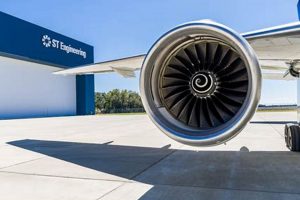
The professional landscape for individuals trained in the design, development, testing, and production of aircraft and spacecraft encompasses a wide array of sectors. These roles often involve applying principles of physics and engineering to solve complex problems related to flight and aerospace systems. As an example, a skilled professional might be employed in designing more fuel-efficient airplane wings or developing propulsion systems for spacecraft.
Understanding the breadth of career avenues is crucial for aspiring and practicing professionals in this field. Awareness of potential employers can significantly impact career trajectory, influencing factors such as salary, project involvement, and opportunities for advancement. Historically, government agencies were the primary employers, but the commercialization of space and advancements in aviation technology have broadened the scope of opportunities considerably.
The subsequent sections will explore specific industries and organizations that commonly employ these professionals, providing insights into the types of work available and the qualifications sought by employers. This overview aims to equip individuals with the knowledge needed to make informed decisions about their career paths within the aerospace sector.
Guidance for Locating Aerospace Engineering Positions
The following provides actionable advice for professionals seeking employment in aerospace engineering. Careful consideration of these points can improve prospects and facilitate a successful job search.
Tip 1: Prioritize Internship and Co-op Experiences: Practical experience gained through internships or cooperative education programs is highly valued by employers. Active participation in such programs provides real-world exposure and valuable networking opportunities.
Tip 2: Target Specific Industries: Aerospace engineering encompasses diverse fields. Identifying a specific area of interest, such as commercial aviation, defense, or space exploration, allows for focused job searching and targeted skill development.
Tip 3: Cultivate a Strong Online Presence: Maintain an updated professional profile on platforms like LinkedIn, highlighting relevant skills, projects, and experience. Actively engage in industry-related discussions and networking groups.
Tip 4: Network at Industry Events: Attend aerospace conferences, trade shows, and career fairs. These events provide opportunities to connect with industry professionals, learn about emerging trends, and discover potential job openings.
Tip 5: Tailor Resumes and Cover Letters: Customize application materials to match the specific requirements of each job. Emphasize relevant skills and experiences, demonstrating a clear understanding of the employer’s needs.
Tip 6: Research Potential Employers: Before applying, thoroughly research companies of interest. Understanding their projects, values, and culture can inform application strategies and interview preparation.
Tip 7: Develop Specialized Skills: Consider pursuing certifications or advanced training in specialized areas, such as computational fluid dynamics, structural analysis, or control systems. This can enhance competitiveness in the job market.
Adhering to these guidelines can significantly increase the likelihood of securing a rewarding aerospace engineering position. Proactive engagement and strategic preparation are essential for navigating the competitive job market.
The subsequent sections will delve into the specific roles available and the responsibilities associated with various aerospace engineering positions.
1. Government Agencies

Government agencies represent a significant avenue for aerospace engineers seeking employment. These entities, often funded by taxpayer dollars, are tasked with research, development, regulation, and operational activities related to aerospace technology. The National Aeronautics and Space Administration (NASA), for example, provides numerous positions for engineers across a spectrum of disciplines, from designing spacecraft and developing propulsion systems to conducting scientific research and managing space missions. Similarly, the Department of Defense (DoD) employs aerospace engineers within its various branches to work on military aircraft, missile systems, and related technologies. These positions are crucial for national security and technological advancement.
The employment of aerospace engineers within government agencies has a direct and cascading effect on the broader aerospace sector. Agencies often contract with private companies for specific projects, thereby stimulating economic growth and driving innovation within the private sector. Furthermore, the research and development conducted within government agencies often lead to breakthroughs that have significant commercial applications. For example, technologies developed for space exploration have been adapted for use in various industries, including medicine, telecommunications, and materials science. These agencies may also fund research grants for external organizations, further promoting innovation and creating additional opportunities for those pursuing an aerospace engineering career.
In summary, government agencies constitute a cornerstone of employment for aerospace engineers. Their impact extends beyond direct employment, fostering innovation, driving economic growth, and influencing technological advancements across numerous sectors. Understanding the role and functions of these agencies is, therefore, essential for individuals seeking a career in aerospace engineering. Challenges within this sphere of employment include navigating bureaucratic processes and securing funding for research and development programs. Nonetheless, government agencies remain a vital component of the aerospace engineering employment landscape.
2. Commercial Aviation

Commercial aviation, encompassing the design, manufacturing, maintenance, and operation of aircraft for passenger and cargo transport, represents a significant employment sector for aerospace engineers. The demand for engineers in this field is directly tied to the industry’s need for fuel-efficient, safe, and technologically advanced aircraft. Aerospace engineers in commercial aviation contribute to improvements in aerodynamics, structural integrity, and propulsion systems, directly impacting aircraft performance and operational costs. Examples include the development of composite materials for lighter aircraft structures, the design of more efficient engine nacelles, and the implementation of advanced flight control systems to reduce pilot workload. Understanding the connection between commercial aviation demands and the skill sets of aerospace engineers is crucial for career planning within this field.
Practical applications of aerospace engineering principles within commercial aviation extend beyond new aircraft design. Engineers are involved in retrofitting existing aircraft with improved technologies, ensuring compliance with evolving safety regulations, and optimizing aircraft maintenance procedures to minimize downtime and costs. For instance, engineers might redesign an aircraft wing to reduce drag, leading to lower fuel consumption. They also play a vital role in investigating aircraft incidents and accidents, analyzing data to identify potential design flaws or operational issues. The complexity of modern commercial aircraft necessitates a collaborative environment, requiring aerospace engineers to work closely with other specialists, such as electrical engineers, software developers, and materials scientists.
In summary, commercial aviation provides a diverse range of opportunities for aerospace engineers. The sector’s constant pursuit of enhanced performance, safety, and efficiency generates a continuous demand for skilled professionals. While challenges exist, such as navigating stringent regulatory requirements and managing the complexity of aircraft systems, the rewards include contributing to a critical transportation infrastructure and pushing the boundaries of aerospace technology. Considering the growth of air travel and the increasing emphasis on sustainable aviation, commercial aviation will likely remain a prominent destination for aerospace engineers.
3. Defense Contractors

Defense contractors represent a significant employment sector for aerospace engineers, offering opportunities in the design, development, testing, and maintenance of advanced military aircraft, missile systems, and related technologies. These firms play a critical role in national security, driving innovation in aerospace engineering and providing a challenging environment for professionals in the field. This context establishes the relevance of defense contractors as a key destination for aerospace engineering careers.
- Design and Development of Advanced Aircraft
Defense contractors are responsible for designing and developing cutting-edge military aircraft, including fighter jets, reconnaissance aircraft, and unmanned aerial vehicles (UAVs). This work requires expertise in aerodynamics, structural analysis, propulsion systems, and avionics. For example, the development of the F-35 Lightning II, a multirole fighter jet, involved extensive collaboration among aerospace engineers from various defense contractors, pushing the boundaries of aircraft technology and demanding specialized skills. These projects offer engineers the chance to contribute to highly complex and technologically advanced systems, influencing national defense capabilities.
- Missile Systems Engineering
Aerospace engineers also contribute significantly to the design, development, and testing of missile systems. This work involves integrating propulsion systems, guidance systems, and warheads to create effective and reliable missile technologies. Programs such as the development of ballistic missile defense systems require engineers with expertise in areas such as hypersonic aerodynamics, control systems, and materials science. These positions offer opportunities to work on projects with significant implications for global security, requiring meticulous attention to detail and a strong understanding of engineering principles.
- Research and Technology Innovation
Defense contractors invest heavily in research and development to advance aerospace technologies. This includes exploring new materials, developing advanced sensor systems, and improving propulsion efficiency. Aerospace engineers in research roles work on projects ranging from conceptual design studies to experimental testing of new technologies. These efforts drive innovation in the broader aerospace sector, often leading to spin-off technologies with commercial applications. For example, advancements in composite materials developed for military aircraft have found applications in commercial aviation and other industries.
- Systems Integration and Testing
Aerospace engineers employed by defense contractors are involved in integrating complex systems and conducting rigorous testing to ensure reliability and performance. This includes integrating avionics, weapons systems, and communication systems on military aircraft. Testing programs involve both simulated and live-flight testing, requiring engineers to analyze data, identify potential issues, and implement corrective actions. These roles are crucial for ensuring the operational readiness of military assets, demanding a thorough understanding of aerospace systems and a commitment to quality assurance.
In conclusion, defense contractors provide diverse and challenging opportunities for aerospace engineers across various disciplines. The sector’s focus on advanced technology and national security demands a high level of expertise and provides avenues for professional growth. The roles in design, development, research, and testing within defense contracting are essential for maintaining technological superiority and ensuring national defense capabilities, making it a critical area for aerospace engineers considering career options.
4. Space Exploration Firms
Space exploration firms, both public and private, offer numerous avenues for aerospace engineers seeking challenging and impactful careers. These organizations are at the forefront of technological innovation, driving advancements in spacecraft design, propulsion systems, and mission operations. The pursuit of space exploration necessitates a diverse range of engineering skills, making these firms a significant destination for professionals in this field.
- Spacecraft Design and Development
Aerospace engineers working in spacecraft design focus on creating vehicles capable of withstanding the harsh conditions of space. This includes designing structures that can endure extreme temperatures, developing radiation shielding, and integrating complex systems for communication, navigation, and life support. For example, engineers at SpaceX are involved in designing the Starship, a fully reusable spacecraft intended for deep space exploration. These roles require a strong understanding of structural mechanics, thermodynamics, and materials science.
- Propulsion Systems Engineering
The development of efficient and reliable propulsion systems is critical for space exploration. Aerospace engineers in this area work on designing rocket engines, developing new propellant technologies, and optimizing engine performance. Blue Origin, for instance, is developing the BE-4 engine, a powerful methane-fueled engine designed for orbital launch vehicles. Engineers in propulsion systems engineering must possess expertise in fluid dynamics, combustion, and heat transfer.
- Mission Operations and Control
Once a spacecraft is launched, aerospace engineers are involved in mission operations, ensuring the successful execution of planned activities. This includes monitoring spacecraft systems, analyzing data, and implementing corrective actions as needed. The Jet Propulsion Laboratory (JPL), a NASA center, plays a critical role in operating numerous spacecraft exploring the solar system. Engineers in mission operations require a strong understanding of spacecraft systems, orbital mechanics, and data analysis techniques.
- Robotics and Automation
Robotics and automation are essential for space exploration, enabling the performance of tasks that are too dangerous or difficult for humans. Aerospace engineers in this field design robotic systems for exploring planetary surfaces, constructing habitats, and performing maintenance on spacecraft. For instance, engineers at Astrobotic are developing lunar rovers for delivering payloads to the Moon. Expertise in mechanical engineering, control systems, and computer science is necessary for these roles.
In summary, space exploration firms provide diverse opportunities for aerospace engineers seeking careers at the cutting edge of technology. The pursuit of ambitious goals, such as returning humans to the Moon and exploring Mars, drives innovation and creates a challenging and rewarding environment for professionals in this field. These firms not only offer unique avenues for career advancement but also contribute significantly to expanding our understanding of the universe.
5. Research Institutions
Research institutions represent a vital component of the aerospace engineering employment landscape. These organizations, including universities, government laboratories, and private research centers, conduct fundamental and applied research that advances aerospace technology. They offer diverse opportunities for aerospace engineers, ranging from theoretical studies to experimental investigations. The nature of work within these institutions contributes significantly to the knowledge base and technological capabilities of the aerospace sector.
- Fundamental Research and Theoretical Development
Research institutions serve as hubs for fundamental research, exploring the theoretical underpinnings of aerospace engineering. This includes investigations into aerodynamics, materials science, propulsion systems, and control theory. For example, university researchers may develop new mathematical models for predicting aircraft behavior or investigate the properties of novel composite materials. Such theoretical advancements provide the foundation for future technological innovations in the aerospace industry. These positions require a strong foundation in mathematics, physics, and engineering principles, coupled with analytical and problem-solving skills.
- Experimental Investigations and Testing
In addition to theoretical research, these institutions conduct experimental investigations to validate theoretical models and evaluate the performance of aerospace systems. This involves designing and conducting wind tunnel tests, flight tests, and materials testing. Government laboratories, such as those operated by NASA, often house advanced testing facilities for evaluating spacecraft components under simulated space conditions. These experimental investigations provide critical data for improving aerospace designs and ensuring the safety and reliability of aerospace systems. Expertise in instrumentation, data acquisition, and experimental design is essential for these roles.
- Collaboration and Knowledge Dissemination
Research institutions play a crucial role in fostering collaboration between academia, industry, and government. They facilitate the exchange of knowledge and expertise through conferences, publications, and collaborative research projects. University research centers often partner with aerospace companies to develop new technologies and train future engineers. These collaborations accelerate the pace of innovation and ensure that research findings are translated into practical applications. Strong communication and teamwork skills are vital for engineers working in collaborative research environments.
- Education and Training
Many research institutions are also educational centers, offering graduate programs in aerospace engineering and related fields. Aerospace engineers working in these institutions often combine research with teaching responsibilities, training the next generation of aerospace professionals. They may supervise graduate students, teach courses, and develop new curricula. These positions offer opportunities to contribute to the education and development of future leaders in the aerospace industry. Strong teaching and mentoring skills are essential for these roles.
In conclusion, research institutions provide a diverse range of opportunities for aerospace engineers, contributing significantly to both the fundamental knowledge and technological advancements of the aerospace sector. The roles within these institutions, spanning theoretical research, experimental investigation, collaboration, and education, play a vital part in shaping the future of aerospace engineering and expanding the possibilities of where to work as an aerospace engineer.
6. Consulting Services

Consulting services within the aerospace engineering sector offer a diverse range of opportunities for experienced professionals. These roles involve providing specialized technical expertise to various clients, addressing complex engineering challenges, and offering strategic guidance. The nature of consulting work allows engineers to apply their knowledge across multiple projects and industries, enhancing their skillset and providing exposure to diverse engineering practices.
- Technical Expertise and Problem Solving
Consulting services require aerospace engineers to possess a deep understanding of engineering principles and the ability to apply this knowledge to solve specific problems. This may involve conducting structural analyses, designing aerodynamic components, or developing control systems for aircraft or spacecraft. For example, a consulting firm might be hired to investigate the cause of an aircraft engine failure or to optimize the design of a new wing for improved fuel efficiency. The demand for specialized technical expertise makes consulting a viable option for seasoned professionals.
- Project Management and Strategic Guidance
Beyond technical skills, consulting roles often involve project management responsibilities, including planning, budgeting, and overseeing the implementation of engineering projects. Consultants may also provide strategic guidance to clients, helping them to make informed decisions about technology investments, product development, and regulatory compliance. For instance, a consulting firm might assist a company in developing a roadmap for adopting new aerospace technologies or in navigating complex regulatory requirements related to airworthiness. This facet highlights the need for both technical acumen and leadership capabilities.
- Industry Diversity and Cross-Sector Application
Consulting services expose aerospace engineers to a wide range of industries and applications, spanning commercial aviation, defense, space exploration, and government agencies. This diversity enables consultants to broaden their skillset and gain a comprehensive understanding of the aerospace sector. A consultant might work on projects involving aircraft design one month and then contribute to spacecraft development the next. This cross-sector exposure enhances adaptability and provides a richer professional experience.
- Business Development and Client Relations
Consulting roles often require engineers to participate in business development activities, including identifying new clients, preparing proposals, and building relationships with key stakeholders. Effective client relations are essential for securing projects and ensuring client satisfaction. Aerospace engineers in consulting must possess strong communication skills, the ability to present complex technical information clearly, and the capacity to understand and address client needs. This aspect of consulting work emphasizes the importance of interpersonal and business acumen.
In summary, consulting services offer aerospace engineers diverse and challenging career opportunities. These roles require a combination of technical expertise, project management skills, industry knowledge, and business acumen. Consulting provides a platform for experienced professionals to apply their knowledge across multiple sectors, contribute to diverse projects, and advance their careers in a dynamic and impactful way, thereby widening the “where to work as an aerospace engineer” landscape.
Frequently Asked Questions
The following section addresses common inquiries regarding employment opportunities for aerospace engineers. These questions and answers aim to provide clear and concise information to guide career planning and decision-making.
Question 1: What are the most common industries employing aerospace engineers?
Aerospace engineers find employment across a range of industries, including commercial aviation, defense contracting, government agencies (such as NASA), space exploration firms, research institutions, and consulting services. The specific tasks and responsibilities vary depending on the industry and the employer’s focus.
Question 2: What educational qualifications are typically required for an aerospace engineering position?
A bachelor’s degree in aerospace engineering or a closely related field is generally considered the minimum requirement for entry-level positions. Advanced degrees, such as a master’s or doctoral degree, may be required for research-oriented or specialized roles.
Question 3: Are internships beneficial for securing a full-time aerospace engineering job?
Internships and co-operative education experiences are highly advantageous. Practical experience gained through these programs enhances employability and provides valuable networking opportunities.
Question 4: What skills are highly valued by employers in the aerospace engineering sector?
Employers typically seek candidates with strong analytical, problem-solving, and communication skills. Proficiency in computer-aided design (CAD) software, computational fluid dynamics (CFD), and other relevant engineering tools is also highly valued. Technical expertise in areas such as aerodynamics, structural analysis, and propulsion systems is essential.
Question 5: How can an aerospace engineer increase their chances of career advancement?
Career advancement opportunities may be enhanced by pursuing advanced degrees, obtaining professional certifications, developing specialized skills, and actively participating in industry events. Demonstrating leadership potential and strong communication abilities can also contribute to career progression.
Question 6: What is the outlook for aerospace engineering employment in the coming years?
The demand for aerospace engineers is expected to remain stable, driven by factors such as increasing air travel, advancements in space exploration, and the need for more efficient and sustainable aircraft technologies. However, the specific job outlook may vary depending on economic conditions and technological developments.
This FAQ section aims to provide clarity on key aspects of aerospace engineering employment. Further research and networking are recommended for making informed career decisions.
The subsequent section will discuss strategies for navigating the job search process and maximizing opportunities in the aerospace engineering sector.
Conclusion
The preceding analysis has explored diverse avenues for aerospace engineers. Opportunities span government agencies, commercial aviation, defense contractors, space exploration firms, research institutions, and consulting services. Each sector offers unique challenges and rewards, requiring a distinct skill set and contributing to different facets of aerospace advancement.
Careful consideration of these options is critical for career planning. The future of aerospace engineering necessitates skilled professionals across these sectors. Continued growth and innovation depend on informed choices and strategic career development within the described professional landscape, reinforcing the significance of understanding where to work as an aerospace engineer.

![[IIT Aero Expert] Abhay Singh: Aerospace Engineering Insights | Innovating the Future of Flight with Reliable Aviation Solutions](https://mixaerospace.com/wp-content/uploads/2026/05/th-139-300x200.jpg "[IIT Aero Expert] Abhay Singh: Aerospace Engineering Insights Innovating the Future of Flight with Reliable Aviation Solutions")