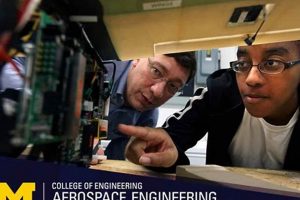
Opportunities designed for students and recent graduates seeking practical experience in the field of air and space vehicle design, development, and testing, specifically located within the Sunshine State, provide invaluable on-the-job training. These structured programs often involve working alongside experienced engineers, contributing to real-world projects, and gaining exposure to industry-standard tools and processes. An example includes a student assisting in the analysis of aerodynamic performance at a major defense contractor’s Florida facility.
The significance of these experiences lies in their ability to bridge the gap between theoretical knowledge acquired in academic settings and the practical demands of the aerospace industry. Benefits include the development of technical skills, enhancement of problem-solving capabilities, and the establishment of professional networks. Historically, participation in such programs has consistently improved graduates’ employability and facilitated smoother transitions into full-time positions.
This article will delve into the various aspects of securing these valuable learning experiences. It will cover common application requirements, highlight leading companies offering them in Florida, and provide strategies for maximizing the learning and networking potential during the program. Furthermore, it will discuss resources available to assist students in finding and preparing for these competitive opportunities.
Securing Opportunities in Florida’s Aerospace Sector
Obtaining a competitive position requires diligent preparation and a strategic approach. The following guidance aims to enhance candidacy and maximize opportunities for success within Florida’s aerospace sector.
Tip 1: Academic Excellence: Maintain a strong academic record in relevant coursework, such as aerodynamics, propulsion, and structural analysis. A high GPA often serves as an initial screening criterion for many companies.
Tip 2: Targeted Resume Development: Tailor the resume to highlight specific skills and experiences aligned with the requirements of positions in the aerospace field. Include relevant projects, software proficiency (e.g., CAD, MATLAB), and technical certifications.
Tip 3: Proactive Networking: Attend industry conferences, career fairs, and networking events. Engage with professionals from companies of interest and cultivate relationships through LinkedIn and other professional platforms.
Tip 4: Company-Specific Research: Conduct thorough research on companies of interest to understand their projects, culture, and values. This knowledge enables candidates to articulate their fit within the organization during the application and interview process.
Tip 5: Strategic Application Timing: Adhere to application deadlines and prioritize early submission. Many companies operate on rolling admissions, increasing the likelihood of consideration for early applicants.
Tip 6: Interview Preparation: Practice answering common behavioral and technical interview questions. Demonstrate a clear understanding of fundamental aerospace principles and the ability to apply them to practical problems.
Tip 7: Location Preference: Acknowledge geographic considerations. Indicate a willingness to relocate to Florida for the duration of the program, as this demonstrates commitment and flexibility.
Adherence to these guidelines increases the probability of securing a valuable learning experience within Floridas dynamic aerospace industry, fostering both personal and professional growth.
The subsequent sections will provide guidance on maximizing the experience to secure future employment within the industry.
1. Location (Florida)

The geographic designation of “Florida” is a critical component in the context of aerospace engineering internships. The state’s unique concentration of aerospace facilities and its historical significance in space exploration create a distinct ecosystem that shapes the nature and availability of practical training opportunities.
- Proximity to Key Aerospace Infrastructure
Florida houses major aerospace facilities such as Kennedy Space Center, Cape Canaveral Space Force Station, and numerous manufacturing and research facilities operated by companies like Boeing, Lockheed Martin, and SpaceX. This concentration translates into a higher volume of internships related to launch operations, spacecraft development, and aerospace systems engineering.
- State Government Support and Incentives
The Florida state government actively promotes the aerospace industry through economic incentives, workforce development programs, and partnerships with educational institutions. These initiatives encourage companies to establish and expand their presence in the state, subsequently increasing the availability of intern positions.
- Access to Research and Development Activities
Florida is home to several universities with strong aerospace engineering programs, fostering a collaborative environment for research and development. Interns in Florida often have the opportunity to participate in cutting-edge research projects alongside university faculty and industry professionals. This access to R&D enhances their technical skills and exposes them to innovative technologies.
- Synergistic Industry Clusters
The aerospace industry in Florida is interconnected with other sectors, such as defense, aviation, and technology. This synergy creates a diverse range of internship opportunities that extend beyond traditional aerospace engineering roles, including positions in related fields like cybersecurity, software engineering, and advanced materials.
The strategic importance of “Location (Florida)” within the realm of aerospace engineering internships underscores the benefits of gaining experience within a dynamic and historically significant aerospace hub. The confluence of infrastructure, government support, R&D activity, and synergistic industry clusters contributes to a unique and advantageous landscape for aspiring aerospace engineers.
2. Company Reputation
The reputation of an aerospace company significantly influences the value and impact of practical training in Florida. A company with a strong industry standing, a history of innovation, and positive employee reviews often provides a more structured and enriching experience. This is because reputable firms tend to invest more heavily in intern programs, providing access to advanced technologies, experienced mentors, and challenging projects. For example, an internship at a well-regarded company like Lockheed Martin, known for its ethical practices and engineering excellence, offers a higher likelihood of exposure to cutting-edge projects and robust training compared to a less established organization.
Furthermore, a company’s reputation can affect future career prospects. Completion of an internship at a respected aerospace entity enhances a candidate’s resume, signaling to prospective employers that the individual has undergone rigorous training and contributed to meaningful projects. This association can open doors to full-time employment opportunities within the same company or other organizations within the industry. Conversely, an internship at a company with a questionable reputation, even if in Florida’s aerospace sector, may not carry the same weight and may not provide the same caliber of practical experience or networking opportunities.
In conclusion, the reputation of an aerospace company in Florida is a crucial factor in determining the quality and long-term benefits of practical learning programs. Prioritizing internships with reputable organizations increases the potential for valuable skill development, enhanced career prospects, and a stronger professional network. While other factors such as project relevance and location are important, the underlying foundation of a solid company reputation significantly impacts the overall value of practical training within the dynamic Florida aerospace landscape.
3. Project Relevance

The degree to which an aerospace engineering internship aligns with a student’s academic interests and career aspirations constitutes its project relevance. Within the context of Florida-based internships, this factor is paramount in determining the value of the experience. Project relevance ensures that the skills and knowledge acquired during the internship directly translate to future employment opportunities within the aerospace sector. An internship focusing on computational fluid dynamics at a Florida-based rocket manufacturer, for instance, provides highly relevant experience for a student interested in propulsion systems. Conversely, an internship involving primarily administrative tasks, even at a prominent aerospace firm in Florida, may offer limited technical skill development.
Several effects stem from prioritizing project relevance in the selection process. Students gain practical experience in areas directly related to their chosen specialization, enhancing their marketability to potential employers. Florida, with its diverse aerospace industry encompassing launch operations, aircraft manufacturing, and satellite technology, offers a wide array of projects. Students interested in structural analysis may seek internships involving composite materials testing at a local aircraft manufacturer, while those focused on avionics could pursue opportunities involving flight control system design at a spaceport. This targeted approach maximizes the impact of the internship on skill development and career trajectory.
In summary, project relevance is a critical determinant of the effectiveness of aerospace engineering internships in Florida. By carefully selecting internships that align with specific academic interests and career goals, students can ensure that they gain the skills and experience necessary to succeed in the competitive aerospace industry. The diversity of the Florida aerospace landscape allows students to find project-relevant opportunities that contribute significantly to their professional development, and career advancements.
4. Skill Development
Practical training experiences within Florida’s aerospace sector offer a crucial avenue for cultivating and refining skills essential for professional success. These programs provide opportunities to apply theoretical knowledge gained through academic pursuits to real-world engineering challenges.
- Technical Proficiency
Internships allow for the development of technical abilities specific to aerospace engineering. This includes proficiency in computer-aided design (CAD) software, computational fluid dynamics (CFD) analysis, structural analysis tools, and programming languages utilized in aerospace applications. For example, an intern might utilize CATIA to design structural components for an aircraft or employ MATLAB to simulate flight dynamics. This hands-on experience solidifies theoretical knowledge and allows for the acquisition of industry-relevant skills.
- Problem-Solving Capabilities
Exposure to real-world engineering problems during internships fosters critical thinking and problem-solving skills. Interns may encounter unforeseen challenges during testing, design, or manufacturing processes, requiring them to apply their knowledge creatively and collaboratively to develop effective solutions. This could involve troubleshooting issues with a rocket engine during testing or identifying design flaws in an aircraft wing structure. These experiences cultivate a proactive approach to problem-solving, which is highly valued in the aerospace industry.
- Teamwork and Communication
Aerospace projects are inherently collaborative, and internships provide valuable experience working within multidisciplinary teams. Interns learn to communicate effectively with engineers from various specializations, contributing their expertise while coordinating with others to achieve common goals. This includes presenting design concepts, documenting test results, and participating in design reviews. Effective communication and teamwork are essential for the successful completion of complex aerospace projects.
- Project Management Fundamentals
Participation in these roles exposes individuals to the fundamentals of project management within an engineering context. Interns learn to manage time effectively, adhere to project deadlines, and contribute to the planning and execution of engineering tasks. Examples would be creating a schedule of component installation for a launch vehicle, or tracking the progress of a set of tasks needed to test a new radar system. This exposure offers an understanding of project lifecycles and the importance of managing resources.
These targeted skillsets, developed through practical application within a Florida setting, enhance the capabilities of students and recent graduates as they transition into full-time roles within the dynamic and technologically advanced aerospace industry, further bridging the gap between academic theory and practical application.
5. Networking Potential

The extent to which an aerospace engineering internship in Florida facilitates the development of professional relationships directly influences its long-term value. Networking potential is a critical, often overlooked, aspect of practical training, impacting future career opportunities and professional growth within the aerospace sector.
- Exposure to Industry Professionals
Internships provide direct interaction with engineers, project managers, and executives within established aerospace companies. These interactions allow students to build relationships with individuals who possess industry knowledge and experience. For example, an intern working on a propulsion system at a Florida-based launch facility may have the opportunity to collaborate with senior engineers, gaining insights into advanced technologies and industry best practices. These relationships can translate into mentorship opportunities, letters of recommendation, and potential future job offers.
- Participation in Industry Events
Many companies encourage interns to attend industry conferences, workshops, and seminars, providing access to a broader network of professionals. Events such as the Space Coast Conference and trade shows held in Florida offer opportunities to connect with experts from various aerospace organizations, government agencies, and research institutions. Active participation in these events allows interns to expand their professional network and learn about emerging trends and technologies in the field.
- Internal Company Connections
Internships within larger aerospace companies often provide exposure to different departments and teams, fostering internal connections that can be valuable for future career advancement. Building relationships with colleagues in areas such as design, manufacturing, testing, and quality control can provide a comprehensive understanding of the aerospace development process. These internal connections can also facilitate knowledge sharing and collaboration on future projects, enhancing the intern’s professional capabilities.
- Alumni Networks and Mentorship Programs
Many established aerospace companies in Florida maintain active alumni networks and mentorship programs designed to support former interns and entry-level employees. These networks provide a platform for connecting with experienced professionals who can offer guidance, advice, and career support. Participating in alumni events and mentorship programs can provide valuable insights into career paths and opportunities within the aerospace industry.
These multifaceted networking opportunities are instrumental in shaping the career trajectories of aspiring aerospace engineers. The ability to build and maintain professional relationships is a critical skill that can significantly enhance career prospects and professional development. Thus, the networking potential of an internship in Florida’s aerospace sector should be carefully considered when evaluating opportunities.
Frequently Asked Questions
The following addresses common inquiries concerning practical training opportunities within the aerospace engineering field, specifically within the state of Florida. The answers provide objective information designed to assist students and recent graduates in navigating this competitive landscape.
Question 1: What are the typical eligibility requirements for aerospace engineering internships in Florida?
Eligibility often includes enrollment in a relevant undergraduate or graduate program (e.g., aerospace engineering, mechanical engineering), maintenance of a minimum GPA (typically 3.0 or higher), and U.S. citizenship or permanent residency due to security clearance requirements for some positions. Specific requirements vary depending on the company and the nature of the work.
Question 2: Which companies in Florida offer internships in this field?
Major aerospace companies with a significant presence in Florida include Boeing, Lockheed Martin, Northrop Grumman, SpaceX (Cape Canaveral), and Blue Origin. Additionally, smaller companies and government agencies such as NASA’s Kennedy Space Center also offer internships. Specific opportunities fluctuate based on company needs and project cycles.
Question 3: When is the ideal time to apply for these internships?
The application timeline generally aligns with academic calendars. Many companies begin recruiting for summer internships in the fall (September-November) of the preceding year. Some companies also offer internships during the spring and fall semesters, with application deadlines several months in advance.
Question 4: Are these opportunities paid or unpaid?
The majority of aerospace engineering internships offered by reputable companies in Florida are paid. Compensation varies based on the company, the intern’s academic level, and the complexity of the work. Unpaid opportunities should be carefully scrutinized to ensure they provide sufficient educational value and comply with labor laws.
Question 5: What skills are most sought after by employers offering these roles?
Employers generally seek candidates with strong technical skills in areas such as CAD software (e.g., CATIA, SolidWorks), programming languages (e.g., MATLAB, Python), and fundamental engineering principles (e.g., aerodynamics, structural analysis). Soft skills, including teamwork, communication, and problem-solving, are also highly valued.
Question 6: What resources are available to assist in finding these placements?
University career services departments provide resources such as resume workshops, mock interviews, and job boards listing internships. Online job boards like Indeed, LinkedIn, and Handshake also feature internship postings. Professional organizations such as the American Institute of Aeronautics and Astronautics (AIAA) may also offer resources and networking opportunities.
Securing a relevant opportunity necessitates careful planning, proactive application submission, and a demonstrable skillset aligned with industry requirements. The information provided aims to clarify the process and enhance the likelihood of success.
The subsequent section will explore strategies for maximizing the value derived from the internship experience to facilitate a successful transition into a full-time aerospace engineering career.
Concluding Remarks
This article has explored the various facets of securing and maximizing the benefits of aerospace engineering internships florida. It has detailed the importance of academic excellence, targeted resume development, and proactive networking in obtaining competitive positions. Furthermore, it has highlighted key considerations such as company reputation, project relevance, skill development, and networking potential, all crucial factors in evaluating the value of these practical training experiences within the Sunshine State.
The pursuit of practical learning experiences within Florida’s dynamic aerospace sector is a significant investment in future professional success. Aspiring aerospace engineers are encouraged to leverage the resources outlined herein to strategically navigate the internship landscape. Diligent preparation and informed decision-making will increase the likelihood of securing valuable learning experiences that contribute significantly to career advancement within this technically demanding and strategically important industry.