Positions within the aerospace sector that necessitate frequent relocation, either domestically or internationally, due to project demands or specialized expertise, are increasingly prevalent. These roles often involve on-site support during aircraft manufacturing, maintenance, or testing phases at various locations. A structural engineer providing expertise during the assembly of a new aircraft model at different manufacturing plants exemplifies this type of employment.
The demand for professionals willing and able to work in diverse geographical settings benefits both the companies and the employees. Companies gain access to a wider talent pool and can deploy specialists where they are needed most urgently. Employees gain exposure to varied experiences, career advancement opportunities, and potentially higher compensation packages to offset the inconveniences of travel and temporary relocation. This dynamic reflects an evolving industry where expertise must be readily accessible across a global network.
The following sections will delve into the specific skill sets required for these roles, the challenges and rewards associated with this career path, and the outlook for this segment of the aerospace employment landscape.
Strategies for Securing Positions Requiring Relocation in the Aerospace Sector
A strategic approach is crucial for individuals seeking employment opportunities that demand frequent travel or relocation within the aerospace industry. Understanding the requirements and tailoring one’s profile accordingly significantly increases the chances of success.
Tip 1: Emphasize Adaptability in Application Materials: Showcase experiences demonstrating the ability to adjust to new environments, cultures, and work settings. Use concrete examples of successful integration into unfamiliar situations.
Tip 2: Highlight Relevant Technical Skills: Possessing in-demand technical skills, such as proficiency in specific CAD/CAM software or expertise in composite materials, makes a candidate more attractive to employers needing specialists for specific projects.
Tip 3: Obtain Necessary Certifications and Licenses: Certain roles necessitate specific certifications (e.g., FAA licenses, project management certifications). Acquiring these credentials demonstrates a commitment to professional development and compliance.
Tip 4: Network Actively Within the Industry: Attend industry conferences, join professional organizations, and connect with individuals on professional networking platforms. Building relationships can provide insights into unadvertised opportunities.
Tip 5: Demonstrate Strong Communication Skills: The ability to communicate effectively with diverse teams, often across geographical boundaries, is essential. Highlight experiences where communication skills were crucial for successful project outcomes.
Tip 6: Research Companies Known for Project-Based Employment: Identify organizations that frequently engage in short-term projects requiring on-site support. These companies are often actively seeking individuals willing to travel.
Tip 7: Prepare for Rigorous Background Checks and Security Clearances: Positions within the aerospace sector often require extensive background checks and security clearances. Ensure personal history is accurate and transparent to avoid delays or disqualification.
Adopting these strategies can significantly enhance an applicant’s competitiveness in the market. Proactive preparation and a focus on skills relevant to geographically flexible roles are key to unlocking opportunities within this specialized area.
The following section will address the potential challenges and considerations associated with the frequent travel and relocation inherent in these types of positions.
1. Project-Based Assignments
The prevalence of project-based assignments significantly shapes the nature of geographically flexible roles within the aerospace sector. These assignments, characterized by defined scopes and limited durations, frequently necessitate the deployment of specialized personnel to specific locations, thus creating a demand for workers willing to relocate temporarily.
- Short-Term Deployments
Aerospace projects, such as aircraft maintenance overhauls, require engineers and technicians to work on-site for a finite period. This model facilitates efficient allocation of resources and specialized knowledge, but necessitates personnel willing to travel and adapt to varying work environments. For example, a team of avionics specialists may be dispatched to an international airport for six weeks to upgrade the communication systems of a fleet of aircraft.
- Specialized Skill Sets
Project-based roles often demand niche expertise not readily available within a company’s permanent workforce. These roles may involve specialized skills, such as the installation and calibration of new sensor technology on a satellite. These skills lead to the recruitment of contractors willing to undertake temporary assignments, further fueling the demand for geographically flexible workers.
- Global Collaboration
Many aerospace projects involve international collaborations, requiring experts to travel to various manufacturing or testing facilities around the world. A composite materials engineer, for example, might need to spend several weeks at a supplier’s plant in another country to oversee the production of critical aircraft components. This global aspect underscores the need for individuals comfortable working in diverse cultural and professional settings.
- Regulatory Compliance Demands
Specific project phases may require on-site regulatory oversight and compliance verification. Aviation safety inspectors or compliance officers may be required to travel to different locations to ensure adherence to standards. The need for personnel to conduct inspections, audits, and certifications at diverse sites contributes to the prevalence of roles necessitating relocation.
The increasing reliance on project-based work within the aerospace industry underscores the growing significance of a workforce willing and able to undertake geographically flexible roles. Individuals seeking opportunities must possess the necessary technical skills and adaptability to thrive in these dynamic and demanding environments.
2. Specialized Skill Demand

The increasing demand for specialized skills within the aerospace industry directly fuels the prevalence of roles necessitating geographic flexibility. As projects require expertise in niche areas, companies seek talent beyond their immediate locales, leading to increased opportunities for individuals willing to relocate.
- Nondestructive Testing (NDT) Expertise
Specialists in NDT methods (e.g., ultrasonic testing, radiography) are crucial for ensuring the structural integrity of aircraft components. Their expertise is often required at various manufacturing and maintenance sites, leading to frequent travel and temporary assignments. For example, an NDT technician might be dispatched to different aircraft maintenance facilities to conduct inspections and identify potential defects.
- Avionics Integration and Testing
The integration of advanced avionics systems requires highly skilled engineers and technicians. As aircraft manufacturers and modification centers upgrade their systems, they often need specialists to work on-site, conducting testing and troubleshooting. The integration process of satellite communication systems would demand personnel to travel to various locations to provide integration services.
- Composite Materials Manufacturing and Repair
The growing use of composite materials in aircraft construction has increased the demand for experts in composite manufacturing and repair techniques. Because these skills are not uniformly distributed, companies frequently send specialists to different manufacturing plants or repair facilities to provide training, guidance, and hands-on support. For instance, specialists might be called to help with quality control.
- Software and Simulation Specialists
Aerospace firms increasingly rely on advanced software and simulation tools for design, testing, and validation. Experts are often needed on-site to implement, customize, or troubleshoot these tools for specific projects. Companies might send specialists to different engineering centers to support the use of computational fluid dynamics (CFD) software or flight simulation systems.
The requirement for specialized skills in these and other areas creates a highly mobile workforce within the aerospace sector. Professionals with sought-after expertise often find themselves traveling to different locations, both domestically and internationally, to meet the demands of specific projects. Companies actively seek out individuals willing to undertake these assignments, recognizing that specialized knowledge is often the key to project success.
3. Global Deployment

Global deployment is intrinsically linked to the landscape, acting as a primary driver for the existence and function of such roles. The aerospace industry, characterized by its international supply chains, multinational collaborations, and globally distributed customer base, necessitates the ability to deploy specialized personnel to various locations worldwide. This creates a demand for a mobile workforce that can address specific project needs, provide technical expertise, or conduct on-site support, regardless of geographical boundaries. For example, consider the collaborative effort in manufacturing a modern commercial aircraft. Components may be manufactured in different countries, requiring engineers to oversee quality control and integration at each site before final assembly. The ability to deploy these engineers globally is therefore fundamental to the aircraft’s successful completion.
The importance of global deployment extends beyond mere logistics; it facilitates knowledge transfer, ensures adherence to international standards, and fosters cross-cultural collaboration. A failure in deployment could result in project delays, increased costs, and potential safety risks. For instance, when a new air traffic control system is implemented in a country with limited local expertise, specialized technicians must be deployed to provide on-site training and support to local staff. This deployment ensures the system operates effectively and safely, while also building local capacity for future maintenance and upgrades. Without this global transfer of skills, the technology might fail to be properly used and maintained.
In conclusion, the success of many projects within the aerospace sector depends on the effective and timely global deployment of specialized personnel. This underscores the integral nature of roles within the industry. Addressing the challenges associated with global mobility, such as visa requirements, cultural adaptation, and logistical complexities, is vital for companies seeking to maintain a competitive edge in the global aerospace market.
4. Regulatory Compliance

Adherence to stringent regulatory standards is a critical facet of positions in the aerospace industry involving frequent relocation. The aerospace sector operates under a complex web of international and national regulations designed to ensure safety, security, and operational integrity. Personnel in requiring mobility, such as aircraft maintenance technicians, quality assurance inspectors, and certification specialists, are directly responsible for implementing and verifying compliance with these regulations at various locations. A failure to adhere to these standards can lead to severe consequences, including grounding of aircraft, financial penalties, and reputational damage.
The practical implications are considerable. For example, an engineer overseeing the modification of an aircraft in a foreign country must possess a thorough understanding of both the host nation’s aviation regulations and the regulations of the aircraft’s country of origin. This individual is responsible for ensuring that all modifications meet or exceed the required safety standards. Similarly, a quality control inspector tasked with auditing a supplier in another state must be well-versed in the applicable quality management standards and be able to effectively assess the supplier’s compliance. Regular training, updates on regulatory changes, and the ability to interpret and apply complex legal requirements are therefore essential competencies for individuals in roles requiring mobility.
In summary, regulatory compliance is not merely a bureaucratic requirement but an intrinsic component of professional duties. The effectiveness and safety of the aerospace sector depend on the consistent and informed application of regulatory standards across diverse locations. The challenges associated with varying international standards and the need for ongoing training highlight the critical importance of regulatory compliance expertise for those in needing relocation.
5. Expedited Timelines
Expedited timelines are a defining characteristic of many projects within the aerospace sector, significantly influencing the deployment of mobile aerospace personnel. These compressed schedules necessitate the rapid mobilization of specialized expertise to meet demanding deadlines and minimize disruptions.
- Rapid Response to Aircraft On Ground (AOG) Situations
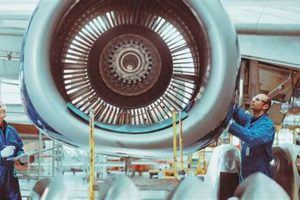
When an aircraft is grounded due to unexpected maintenance issues, airlines require immediate support to resume operations. Mobile aerospace technicians and engineers are dispatched to assess and repair the aircraft quickly, minimizing downtime. For example, a team of specialists may be flown to a remote location to fix a critical engine component or troubleshoot avionics malfunctions. This swift response is crucial for reducing costs and maintaining flight schedules.
- Fast-Tracked Aircraft Modification Programs
Aircraft modification projects, such as the installation of new cabin interiors or the integration of advanced communication systems, often operate under tight deadlines to minimize the time aircraft are out of service. Mobile aerospace teams are deployed to work around the clock, accelerating the modification process. For instance, a team of engineers and technicians might work in shifts to install a new in-flight entertainment system within a compressed timeframe, ensuring the aircraft is returned to service promptly.
- Accelerated Certification and Testing Schedules
New aircraft and aerospace technologies must undergo rigorous testing and certification processes before entering service. To meet regulatory deadlines and market demands, companies often compress the testing schedules, requiring the deployment of mobile test engineers and certification specialists to conduct on-site evaluations and expedite the approval process. For example, a team of test pilots and engineers may be deployed to a remote testing facility to accelerate the flight testing program for a new aircraft model.
- Quick Turnaround Manufacturing and Assembly
Aerospace component manufacturing and assembly processes sometimes require rapid turnaround to meet production targets and customer demands. Mobile aerospace specialists are deployed to provide on-site support, troubleshooting manufacturing issues, and optimizing production processes. For instance, a team of manufacturing engineers and technicians might be sent to a supplier’s facility to resolve bottlenecks and accelerate the production of critical aircraft parts.
In each of these scenarios, the need for expedited timelines drives the demand for experienced and adaptable aerospace professionals willing to travel and work under pressure. The ability to mobilize quickly and efficiently is a key attribute for individuals seeking careers involving frequent relocation and project-based assignments.
6. High-Value Expertise
The prevalence of positions requiring relocation within the aerospace sector is inextricably linked to the demand for specialized knowledge and skills. These “mobile aerospace jobs” often seek individuals possessing expertise that is both highly specialized and geographically scarce. This intersection of specialized knowledge and geographic flexibility creates a premium on talent capable of addressing complex problems and contributing significantly to project outcomes.
- Specialized Engineering Disciplines
Aerospace projects frequently require expertise in niche engineering fields, such as advanced propulsion systems, composite materials design, or avionics integration. These skills are not uniformly distributed geographically, leading to a need for experts to travel to specific project sites. For example, a structural engineer specializing in composite aircraft wing design may be required to relocate temporarily to a manufacturing facility in another country to oversee the production and testing of a new wing design. These engineers provide invaluable insights and guidance.
- Regulatory Compliance and Certification
Ensuring compliance with stringent aviation regulations and obtaining necessary certifications requires specialized knowledge and experience. Experts in regulatory affairs, quality assurance, and certification processes are often deployed to various locations to conduct audits, inspections, and training sessions. A certification specialist might travel to different aircraft maintenance facilities to ensure adherence to FAA or EASA standards, helping companies maintain compliance and avoid costly penalties.
- Troubleshooting and Problem Solving
When complex technical issues arise during aerospace projects, experienced troubleshooters are needed to diagnose and resolve problems quickly and effectively. These experts may possess specialized knowledge of specific aircraft systems, manufacturing processes, or testing procedures. For instance, an avionics expert might be flown to a remote airfield to troubleshoot a malfunctioning flight control system, restoring the aircraft to operational status in a timely manner. Without their intervention, projects can experience significant delays.
- Technology Transfer and Training
The introduction of new aerospace technologies often requires the transfer of knowledge and skills to local workforces. Experts in these technologies are deployed to provide training, guidance, and support to employees at different manufacturing plants, maintenance facilities, or research centers. For example, a software engineer might travel to a foreign country to train local engineers in the use of new simulation software, ensuring that the technology is implemented effectively. Transferring this knowledge promotes the adoption of new innovations.
The demand for professionals with high-value expertise in specialized areas continues to drive the prevalence of roles requiring relocation within the aerospace industry. Companies recognize that access to specialized knowledge is critical for project success, and they are willing to invest in the deployment of experts to address specific challenges. These roles offer opportunities for individuals to contribute significantly to the aerospace sector and to expand their own skills and experience through diverse project assignments.
Frequently Asked Questions Regarding Mobile Aerospace Jobs
This section addresses common inquiries related to employment opportunities within the aerospace sector that necessitate frequent relocation.
Question 1: What constitutes a “mobile aerospace job?”
A “mobile aerospace job” is defined as a position within the aerospace industry requiring frequent travel and/or relocation, typically for project-based assignments, on-site support, or specialized expertise deployment.
Question 2: What skill sets are most in demand for these roles?
In-demand skill sets encompass specialized engineering disciplines (e.g., avionics, structural analysis), regulatory compliance expertise, nondestructive testing (NDT) proficiency, and project management capabilities.
Question 3: What are the primary benefits of pursuing employment of this nature?
Potential benefits include accelerated career advancement, exposure to diverse projects and technologies, opportunities for international experience, and potentially higher compensation packages.
Question 4: What are the potential challenges associated with these roles?
Challenges may encompass frequent travel, adapting to new environments and cultures, maintaining work-life balance, navigating complex visa and immigration requirements, and managing logistical complexities related to relocation.
Question 5: How can individuals enhance their prospects of securing such positions?
Strategies include acquiring relevant certifications, demonstrating adaptability and problem-solving skills, networking within the aerospace industry, and highlighting experience working in diverse environments.
Question 6: What is the typical duration of assignments associated with these roles?
Assignment durations vary depending on the project scope and complexity, but generally range from a few weeks to several months. Some positions may involve longer-term relocation for extended projects.
The dynamic nature of the aerospace sector necessitates a mobile workforce capable of addressing evolving project demands. Understanding the requirements and challenges associated with these roles is crucial for both job seekers and employers.
The subsequent sections will explore strategies for effectively managing the unique demands of these types of positions, including travel logistics, cultural adaptation, and maintaining professional development.
The Evolving Landscape of Mobile Aerospace Jobs
This exploration has highlighted the defining characteristics, requirements, and considerations surrounding the aerospace positions demanding frequent relocation. The convergence of specialized skill sets, expedited project timelines, global deployments, and stringent regulatory demands necessitate a highly adaptable and readily deployable workforce. Expertise in areas ranging from advanced engineering to compliance verification remains central to this specialized area.
As the aerospace industry continues to evolve technologically and expand globally, the need for personnel able to navigate diverse operational environments will only intensify. Professionals who can effectively manage the demands of these roles, demonstrate commitment to continuous learning, and cultivate strong cross-cultural communication skills will be best positioned to contribute to and thrive within this dynamic and vital sector.