Educational opportunities in aerospace engineering are increasingly accessible through digital platforms. These no-cost programs provide introductory or specialized knowledge, allowing individuals to explore the field or supplement their existing education without incurring tuition fees. They typically offer video lectures, reading materials, and sometimes, interactive forums for learning.
The emergence of accessible aerospace engineering content offers several advantages. It democratizes education, making it available to a broader audience regardless of geographical location or socioeconomic background. Students can explore different facets of aerospace engineering, such as aerodynamics, propulsion, or spacecraft design, before committing to a formal degree program. This exposure can enhance understanding, improve academic performance, and potentially lead to advancements and discoveries in the discipline.
The following discussion presents an overview of topics often covered in aerospace engineering-related online education and will highlight the impact these courses have on professional development.
Tips for Maximizing Benefit from Accessible Digital Education in Aerospace Engineering
Successfully navigating online educational platforms requires strategic planning and dedicated effort. The following guidance helps learners optimize their experience with readily available aerospace engineering resources.
Tip 1: Define Clear Learning Objectives: Before commencing any coursework, establish precise goals. Whether gaining foundational knowledge in a specific area or acquiring skills in a particular software package, defined objectives facilitate focused learning.
Tip 2: Assess Course Credibility: Evaluate the source of the educational content. Prioritize programs offered by reputable universities or industry experts, verifying credentials and examining course reviews whenever available.
Tip 3: Dedicate Consistent Study Time: Treat these offerings with the same seriousness as formal education. Establish a regular schedule to ensure consistent progress and prevent knowledge gaps from accumulating.
Tip 4: Actively Engage with Course Materials: Go beyond passively watching lectures. Complete all assigned readings, participate in discussion forums, and attempt any available practice problems or quizzes to solidify comprehension.
Tip 5: Leverage Available Resources: Explore all supplementary materials provided, such as lecture notes, downloadable software, or access to virtual labs. These resources enhance learning and provide practical experience.
Tip 6: Network with Fellow Learners: Engage in online forums or social media groups associated with the education. Collaborating with peers provides opportunities for knowledge sharing, problem-solving, and networking.
Tip 7: Document Achievements: Track completed education and newly acquired skills. Add these accomplishments to a professional profile, such as a LinkedIn account, to showcase expertise to potential employers.
By implementing these strategies, individuals can extract maximum value from digital educational offerings in aerospace engineering, advancing their knowledge and career prospects.
The succeeding section will consider the broader implications of accessible digital aerospace education and its potential impact on the industry.
1. Accessibility

Accessibility constitutes a foundational pillar of no-cost digital education within aerospace engineering. The inherent value of educational resources diminishes significantly if potential learners encounter barriers to entry. These barriers can manifest in several forms, including technical prerequisites, language limitations, or device compatibility issues. When programs feature complex software requirements or assume prior knowledge that is not readily available, the scope of individuals who can effectively participate is constricted. Language barriers similarly impede accessibility, excluding those who lack proficiency in the language of instruction. Furthermore, course platforms optimized solely for desktop computers create a disadvantage for learners who rely on mobile devices or older hardware.
The impact of accessibility on participation is demonstrable across numerous online learning initiatives. For instance, programs utilizing specialized simulation software without providing clear, cost-free alternatives often witness lower completion rates among students lacking access to such resources. Similarly, courses with extensive technical jargon or assumptions about prerequisite knowledge can alienate newcomers to the field, thereby limiting their ability to acquire foundational skills. Institutions seeking to maximize the reach and impact of their free online aerospace engineering curriculum must therefore prioritize ease of access, offering adaptable course materials, multilingual support where feasible, and compatibility across diverse devices.
Ultimately, the degree of accessibility directly correlates with the democratization of knowledge within aerospace engineering. Lowering barriers to entry translates to a more diverse student body, fostering innovation and addressing workforce demands more effectively. Therefore, accessibility must be a core design principle, rather than an afterthought, in the development and delivery of cost-free digital educational resources within the aerospace engineering discipline.
2. Course Content

The substance of no-cost digital educational resources in aerospace engineering constitutes a critical determinant of their efficacy. The alignment of content with learning objectives, the depth of coverage, and the practical applicability of acquired knowledge are central to maximizing learner benefit and fostering genuine competence.
- Aerodynamics Fundamentals
This area encompasses the study of airflow around objects, focusing on lift, drag, and stability. Within digital programs, content might include lectures on airfoil theory, boundary layer phenomena, and computational fluid dynamics (CFD) simulations. Understanding aerodynamics is vital in aircraft design, enhancing efficiency and safety.
- Propulsion Systems
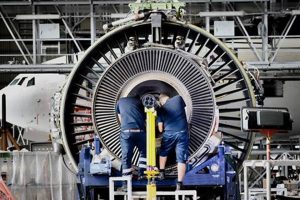
This aspect covers the principles of jet engines, rocket propulsion, and alternative propulsion methods. The educational resource may provide access to virtual dissections of engine components, simulations of combustion processes, and analyses of thrust performance. Proper implementation of propulsion knowledge leads to improved propulsion and power generation systems.
- Spacecraft Dynamics and Control
This facet addresses the motion and control of satellites and other space vehicles. Content could encompass orbital mechanics, attitude control systems, and spacecraft maneuvering techniques, possibly incorporating interactive simulations of satellite trajectories. Mastery of dynamics can optimize space operations and navigation efficiency.
- Materials Science for Aerospace Applications
This covers the study of how materials behave under the extreme conditions encountered in aerospace engineering. The courses will explore topics like material failure, material selection, and other materials performance. Application of knowledge from materials science may allow for the design of aircraft and spacecraft that function more efficiently for longer.
Collectively, these examples underscore the significance of thoughtfully curated course content in achieving desired learning outcomes. The potential value of digital aerospace engineering education hinges on the delivery of relevant, comprehensive, and practically applicable knowledge to aspiring engineers and enthusiasts. Access to the course content allows for learners to gain essential skills.
3. Instructor Expertise

The expertise of instructors in cost-free digital aerospace engineering resources is a pivotal factor influencing learning outcomes. The credibility, experience, and communication abilities of instructors directly impact the effectiveness of knowledge transfer and skill development. Courses led by recognized experts or seasoned practitioners often provide a richer and more practical learning experience.
- Subject Matter Mastery
Profound understanding of aerospace engineering principles is fundamental. Instructors should demonstrate comprehensive knowledge across relevant domains, such as aerodynamics, propulsion, or spacecraft design. Evidence of mastery includes advanced degrees from reputable institutions, peer-reviewed publications, or significant contributions to the aerospace industry. For instance, a professor emeritus with decades of research experience in hypersonics brings a level of insight unattainable by a less experienced instructor. This mastery enhances the depth and accuracy of course content.
- Industry Experience
Practical experience in the aerospace sector complements theoretical knowledge. Instructors with backgrounds in engineering design, manufacturing, or flight operations can provide valuable real-world context and insights. They can illustrate how theoretical concepts are applied in practice, discuss common challenges encountered in the field, and share lessons learned from their professional careers. This experiential perspective enhances the relevance and applicability of course material, connecting abstract concepts to tangible applications. An engineer who has worked on satellite propulsion systems could enhance the quality and the applicability of the space propulsion educational resource.
- Instructional Design Skills
Expertise in instructional design is crucial for effectively conveying complex technical information. Instructors should possess the ability to organize course material logically, present concepts clearly, and engage learners through diverse teaching methods. This includes crafting compelling lectures, developing effective visual aids, and facilitating meaningful discussions. Poor instructional design can render even the most knowledgeable instructor ineffective. Use of interactive exercises, simulations, and case studies would benefit the learner and make the course more engaging.
- Communication and Presentation Skills
Effective communication is paramount for conveying complex technical information in an understandable manner. Instructors must articulate concepts clearly, adapt their communication style to diverse learning preferences, and foster an inclusive and supportive learning environment. Strong presentation skills, including effective use of visuals and clear articulation, can significantly enhance learner engagement and comprehension. Instructors must be adept at simplifying difficult concepts and delivering them in a digestible manner.
In summation, instructor expertise acts as a cornerstone of effective educational programming in aerospace engineering. Courses offered by individuals with a proven background in subject matter mastery, industry experience, instructional design, and communication skills are more likely to provide a high-quality and impactful learning experience.
4. Learning Platform
The learning platform serves as the delivery mechanism for accessible digital educational resources in aerospace engineering. Its functionality, user interface, and technological infrastructure exert considerable influence on the learning experience and the degree to which learners can effectively engage with course material. A well-designed platform fosters intuitive navigation, seamless access to resources, and opportunities for interaction, while a poorly designed platform can impede learning and discourage participation. The selection and design of a suitable platform are thus critical considerations for institutions offering free online aerospace engineering courses.
The impact of the learning platform on student engagement and outcomes is demonstrable in several ways. Platforms offering mobile compatibility and responsive design facilitate access for learners using diverse devices, particularly those in regions with limited access to desktop computers. Integration of multimedia content, such as interactive simulations or virtual labs, enhances engagement and caters to varied learning styles. Features that enable collaboration, such as discussion forums or group project tools, foster a sense of community and provide opportunities for peer-to-peer learning. Conversely, platforms with cumbersome navigation, limited mobile support, or a lack of interactive elements can lead to frustration and diminished learning outcomes. For instance, a platform that relies solely on static text and lecture videos without providing opportunities for interaction or application of knowledge may be less effective than one incorporating simulations or quizzes.
In summary, the learning platform represents a critical component of free online aerospace engineering education. It directly impacts accessibility, engagement, and learning outcomes. Institutions should prioritize the selection and design of platforms that are user-friendly, technologically robust, and conducive to interactive learning. By carefully considering the platform’s features and functionalities, educators can enhance the effectiveness of their no-cost digital aerospace engineering courses and broaden their reach to a global audience.
5. Time Commitment

The requisite time commitment constitutes a significant factor determining the success of individuals engaging with no-cost digital educational resources in aerospace engineering. These offerings, while freely accessible, still demand dedicated time investment for effective knowledge absorption and skill development. The relationship between allocated time and learning outcomes is direct: insufficient time allocation often results in superficial understanding and limited practical application. The demands range from watching lecture videos and completing assigned readings to participating in discussion forums and undertaking practical exercises, the time commitment adds up. Successful completion of such a course requires that participants set aside sufficient time to truly understand the subject matter. An individual juggling a full-time job and family responsibilities may find it challenging to dedicate the 10-15 hours per week often required for a rigorous online course, illustrating the importance of realistic self-assessment and time management.
The nature of the curriculum significantly influences the time commitment. Courses focusing on complex topics such as computational fluid dynamics or spacecraft propulsion necessitate more time for mastering fundamental concepts and executing simulations. Conversely, introductory surveys of aerospace engineering principles may demand less time. Learners must carefully review the course syllabus, including weekly assignments and project deadlines, to accurately gauge the time investment and ensure alignment with their schedules. Failing to account for these variables can lead to frustration, incomplete assignments, and ultimately, a diminished learning experience. Effective planning ensures adequate resources for understanding of subjects such as Thermodynamics, Fluid Dynamics, and Heat Transfer.
Ultimately, the value derived from freely available aerospace engineering educational resources is contingent upon the time allocated to their pursuit. While these offerings democratize access to knowledge, they do not eliminate the need for dedicated effort and time investment. By acknowledging the time commitment, individuals can strategically integrate learning into their schedules, maximize knowledge acquisition, and enhance their competence in the field of aerospace engineering.
6. Skill Development

Skill development is a core objective for individuals engaging with freely accessible digital educational resources in aerospace engineering. These courses present opportunities to acquire new competencies, refine existing expertise, and enhance career prospects within the aerospace sector. The specific skills cultivated vary according to the course content, but several fundamental areas consistently emerge.
- CAD Software Proficiency
Many courses emphasize the use of computer-aided design (CAD) software for modeling aircraft components, spacecraft structures, and related systems. Learners acquire skills in creating 3D models, generating technical drawings, and performing simulations. This competency is essential for engineers involved in design, analysis, and manufacturing processes. An example might be designing an aircraft wing using software such as CATIA, SolidWorks, or Autodesk Inventor.
- CFD Simulation
Select programs focus on computational fluid dynamics (CFD), enabling learners to simulate airflow around objects and analyze aerodynamic performance. This skill empowers engineers to optimize designs, predict performance characteristics, and troubleshoot potential issues. An aerospace engineer might utilize CFD for simulating airflow around an aircraft to determine optimal configuration of the wing, tail, or fuselage. The knowledge can allow for design improvement.
- Programming and Scripting
Some resources incorporate programming languages such as Python or MATLAB for data analysis, automation, and algorithm development. Programming skills empower engineers to develop custom tools, analyze large datasets, and automate repetitive tasks. In aerospace, a Python script could be used to analyze flight data, optimize fuel consumption, and predict aircraft trajectory.
- Understanding of Engineering Design Principles
Digital Courses allow for greater understanding of the engineering design principles through theoretical learning and practical simulations. These principles include failure analysis, stress/strain calculations, and aerodynamics to name a few. An improved grasp of engineering principles would assist engineers in preventing structural failures and improving the quality of designs.
Collectively, these skills represent a valuable toolkit for aspiring and practicing aerospace engineers. Freely available digital educational resources provide accessible pathways for acquiring these competencies, enhancing career readiness, and fostering innovation within the aerospace industry. By acquiring and refining these skills, individuals are better equipped to contribute to the advancement of aerospace technology and address the complex challenges facing the industry.
7. Career Relevance

Career relevance forms a critical metric for evaluating the utility of free online courses in aerospace engineering. The extent to which these educational resources equip individuals with skills and knowledge applicable to professional roles within the industry determines their value and impact on career advancement.
- Alignment with Industry Needs
The degree to which course content aligns with current industry demands significantly influences career relevance. Courses addressing emerging technologies, such as additive manufacturing or electric propulsion, hold greater value for professionals seeking to enhance their skill sets and remain competitive. For example, a course focusing on the design and analysis of composite materials used in aircraft structures directly addresses a key industry need, enhancing a learner’s employability.
- Practical Skill Development
The ability to translate theoretical knowledge into practical skills is paramount for career advancement. Courses that incorporate hands-on projects, simulations, and case studies offer learners opportunities to apply their knowledge and develop tangible skills sought by employers. A course culminating in the design and simulation of a small-scale wind tunnel would provide valuable practical experience relevant to careers in aerodynamics research and development.
- Networking and Professional Development
Beyond technical skills, professional development and networking opportunities contribute to career relevance. Courses that facilitate interaction with industry experts, provide access to career resources, or offer opportunities for professional certification can enhance a learner’s career prospects. A course featuring guest lectures from experienced aerospace engineers or offering pathways to industry-recognized certifications would provide valuable career development opportunities.
- Portfolio Enhancement
Completion of free online aerospace engineering courses provides verifiable credentials and work products that can significantly enhance a professional portfolio. These course projects can be displayed and allow potential employers to gauge the competency of engineers and prospective engineering employees. A certificate of completion of an online CAD design course that resulted in the designing of a fully-functioning aircraft part would greatly enhance the portfolio of the prospective employee.
In summary, the career relevance of free online courses in aerospace engineering hinges on their ability to provide skills that match industry needs, provide practical experience, offer networking opportunities, and offer portfolio enhancement. These facets directly impact the value of these educational resources and their effectiveness in furthering career goals.
Frequently Asked Questions About Cost-Free Digital Aerospace Engineering Education
This section addresses common queries regarding accessibility, quality, and applicability of no-cost digital learning resources in aerospace engineering. It aims to provide clear, concise answers to facilitate informed decision-making.
Question 1: Are “free online courses for aerospace engineering” genuinely free?
While the core curriculum is generally provided at no cost, supplementary materials, such as specialized software or textbooks, may require a separate purchase. Certain programs may also offer optional certification or assessment services for a fee.
Question 2: Are “free online courses for aerospace engineering” equivalent to formal university education?
These offerings typically provide introductory or specialized knowledge, but they do not substitute for the comprehensive curriculum and accreditation of a formal university degree program. They serve as valuable supplements to formal education or as introductory resources for those exploring the field.
Question 3: What level of prior knowledge is required to benefit from “free online courses for aerospace engineering”?
The required prior knowledge varies depending on the course. Introductory courses may assume minimal prior knowledge, while advanced courses may require familiarity with calculus, physics, and basic engineering principles. Course descriptions typically outline the necessary prerequisites.
Question 4: How can the credibility of a “free online course for aerospace engineering” be assessed?
Examine the credentials and affiliations of the instructors, the reputation of the institution or organization offering the course, and the content’s alignment with established aerospace engineering principles. Reviews and testimonials from previous learners can also provide valuable insights.
Question 5: Are “free online courses for aerospace engineering” recognized by employers in the aerospace industry?
While completion of these courses demonstrates initiative and a commitment to learning, employers typically prioritize formal education, relevant experience, and industry-recognized certifications. However, demonstrable skills acquired through these offerings can enhance a candidate’s qualifications.
Question 6: How can the knowledge gained from “free online courses for aerospace engineering” be practically applied?
Seek opportunities to apply newly acquired knowledge through personal projects, open-source contributions, or volunteer work. Document these experiences in a portfolio or professional profile to showcase skills to potential employers.
In summary, no-cost digital aerospace engineering education presents a valuable opportunity for learning and skill development. However, critical assessment of course content, instructor credibility, and career relevance is essential for maximizing their benefit.
The next section will provide a final thought, summing up the advantages of “free online courses for aerospace engineering”.
Conclusion
The exploration of free online courses for aerospace engineering reveals a landscape of opportunity and accessibility. The availability of these resources democratizes education, enabling individuals worldwide to engage with the complexities of aerospace engineering. The quality of these courses, while variable, provides a valuable supplement to formal education or a starting point for those new to the field. The potential impact on individual careers and the broader aerospace industry warrants careful consideration.
As digital educational platforms evolve, so too will the accessibility and quality of free online courses for aerospace engineering. The responsibility lies with both learners and educators to critically evaluate and leverage these resources to foster innovation and advance the aerospace engineering discipline. Continued dedication to quality content and equal access is vital for a future where knowledge of aerospace engineering is achievable to all.
![[Guide] How to Get an Aerospace Engineering Internship + Tips! | Innovating the Future of Flight with Reliable Aviation Solutions](https://mixaerospace.com/wp-content/uploads/2026/04/th-268-300x200.jpg "[Guide] How to Get an Aerospace Engineering Internship + Tips! Innovating the Future of Flight with Reliable Aviation Solutions")