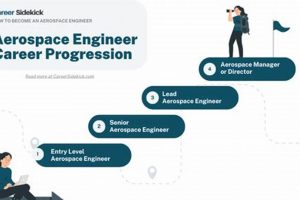
The availability of job opportunities for professionals trained in the design, development, and testing of aircraft and spacecraft represents a key indicator of the health and growth of the aerospace sector. Assessing the requirement for these specialists involves analyzing employment statistics, industry trends, and anticipated technological advancements.
A strong need for these skilled individuals signifies a vibrant and expanding aerospace industry, leading to innovation, economic growth, and national security advancements. Historically, periods of heightened investment in space exploration or defense initiatives have corresponded with increased opportunities for aerospace engineers. Conversely, economic downturns or shifts in government priorities can impact the employment landscape.
Understanding the current employment outlook for professionals in this field necessitates an examination of specific factors. These factors include government spending, commercial aviation growth, the emergence of new space industries, and the impact of automation and artificial intelligence on engineering roles. Subsequent sections will delve into these topics, providing a detailed overview of the contemporary job market for these essential contributors to technological progress.
Successfully securing employment in the field of aerospace engineering requires strategic planning and diligent preparation. The following tips are designed to enhance the prospects of prospective candidates.
Tip 1: Develop Specialized Skills: Possessing expertise in areas such as computational fluid dynamics (CFD), finite element analysis (FEA), or specific programming languages (e.g., MATLAB, Python) can significantly improve one’s competitive edge. For instance, proficiency in CFD software is highly valued by companies involved in aircraft design and optimization.
Tip 2: Pursue Advanced Education: A Master’s or Doctoral degree can open doors to research-oriented positions and leadership roles within aerospace companies. Advanced studies demonstrate a commitment to in-depth knowledge and specialized expertise.
Tip 3: Gain Practical Experience: Internships and co-op programs provide invaluable hands-on experience and networking opportunities. Participating in relevant projects and contributing to real-world engineering challenges is crucial.
Tip 4: Cultivate Strong Communication Skills: The ability to effectively communicate technical concepts, both verbally and in writing, is essential for collaboration and project management. Participating in presentations and technical writing courses can enhance these skills.
Tip 5: Network Strategically: Attending industry conferences, joining professional organizations (e.g., AIAA), and connecting with engineers on platforms like LinkedIn can expand one’s professional network and provide insights into job opportunities.
Tip 6: Tailor Resumes and Cover Letters: Customize application materials to highlight relevant skills and experience for each specific job posting. Emphasize accomplishments and quantifiable results whenever possible.
Tip 7: Prepare Thoroughly for Interviews: Research the company, understand the role’s responsibilities, and practice answering common interview questions, including behavioral and technical inquiries. Being prepared demonstrates genuine interest and competency.
These strategies, when diligently applied, can significantly improve a candidate’s chances of securing a position in the competitive field of aerospace engineering. The emphasis on specialized skills, practical experience, and effective communication is paramount.
Moving forward, the article will explore specific sectors within the aerospace industry and the skills that are particularly sought after by employers in those areas.
1. Government Funding

Government funding constitutes a primary determinant in shaping the employment landscape for aerospace engineers. Allocations directed towards space exploration programs, defense contracts, and aviation research directly influence the availability of positions in these sectors. For instance, a substantial increase in NASA’s budget for lunar missions invariably creates opportunities for engineers specializing in propulsion systems, spacecraft design, and mission planning. Similarly, large-scale defense projects, such as the development of new fighter jets or missile defense systems, translate into a heightened need for engineers with expertise in aerodynamics, materials science, and control systems.
The impact of government funding extends beyond direct employment within governmental agencies. Prime contractors and subcontractors rely heavily on these financial resources to conduct research, develop new technologies, and manufacture aerospace products. Consequently, fluctuations in government spending can have cascading effects throughout the entire aerospace supply chain, influencing hiring decisions across a wide range of companies. The cancellation of the Constellation program in 2010, for example, led to job losses within NASA and its associated contractors, highlighting the sensitivity of the aerospace engineering job market to shifts in government priorities. Conversely, the subsequent establishment of the Commercial Crew Program spurred significant growth in the private space sector and increased demand for engineers in areas such as rocket propulsion and launch operations.
In summary, government funding serves as a critical driver for employment opportunities within the aerospace engineering profession. Understanding the budgetary priorities of governmental agencies and the allocation of funds to specific projects is essential for individuals seeking to navigate the job market effectively. Monitoring government spending trends provides valuable insights into the sectors and specializations experiencing growth, allowing engineers to tailor their skills and career paths accordingly. The relationship is one of direct cause and effect, making government funding a cornerstone component influencing the number of available jobs for aerospace engineers.
2. Commercial Aviation Growth

Expansion within the commercial aviation sector directly correlates with the professional opportunities available to aerospace engineers. Increased aircraft production, modernization of existing fleets, and the development of more efficient aircraft designs all contribute to the demand for skilled engineers.
- Aircraft Production and Design
An increase in aircraft orders from airlines necessitates a corresponding increase in the production of new aircraft. This drives demand for aerospace engineers specializing in aircraft design, structural analysis, aerodynamics, and propulsion systems. For example, Boeing and Airbus hiring trends are indicative of commercial aviation growth, with increased order backlogs requiring more engineers to fulfill design and production needs.
- Maintenance, Repair, and Overhaul (MRO)
As the global aircraft fleet expands, so does the demand for maintenance, repair, and overhaul services. Aerospace engineers are required to develop and implement efficient maintenance procedures, diagnose technical issues, and ensure the continued airworthiness of aircraft. The growth of MRO facilities, particularly in regions with rapidly expanding aviation sectors, is a direct indicator of this demand.
- Technological Advancements in Aviation
The pursuit of greater fuel efficiency, reduced emissions, and enhanced passenger comfort drives continuous innovation in aircraft technology. Aerospace engineers are at the forefront of developing and implementing these advancements, including new engine designs, composite materials, and advanced avionics systems. Programs like the development of sustainable aviation fuels create specific needs for engineers with specialized knowledge.
- Air Traffic Management (ATM) Systems
Increased air traffic volume necessitates the development of more sophisticated air traffic management systems. Aerospace engineers play a role in designing and implementing these systems, which aim to improve efficiency, reduce delays, and enhance safety. Advances in ATM technology, such as satellite-based navigation systems, create opportunities for engineers with expertise in areas like navigation, communication, and surveillance.
In conclusion, commercial aviation growth directly influences the job market for aerospace engineers. Increased aircraft production, expanding MRO operations, technological advancements, and the evolution of ATM systems all contribute to a consistent demand for skilled professionals in this field. A robust commercial aviation sector is a key driver of opportunity for aerospace engineering professionals.
3. Space Industry Expansion

The burgeoning space industry serves as a significant catalyst for the necessity of aerospace engineers. Increased activity in satellite deployment, space tourism, lunar and Martian exploration, and the development of space-based infrastructure directly translates to a heightened requirement for professionals skilled in spacecraft design, propulsion systems, orbital mechanics, and related disciplines. The expansion of private space companies, such as SpaceX, Blue Origin, and Virgin Galactic, further amplifies this demand. These enterprises are engaged in ambitious projects that necessitate a workforce proficient in aerospace engineering principles.
The effect of space industry growth extends beyond traditional aerospace engineering roles. The development of new technologies for space applications often necessitates expertise in areas such as robotics, artificial intelligence, and advanced materials science. This diversification creates opportunities for aerospace engineers to specialize in emerging fields and contribute to innovative projects. For example, the development of reusable launch vehicles requires engineers skilled in areas such as thermal protection systems and autonomous landing technologies. Similarly, the establishment of lunar bases will necessitate engineers with expertise in habitat design, resource utilization, and life support systems.
In summary, the continued expansion of the space industry is a primary driver of increased demand for aerospace engineers. This growth encompasses both traditional aerospace engineering roles and emerging specializations, reflecting the increasing complexity and diversification of space-related activities. Understanding the specific areas of growth within the space industry enables prospective engineers to tailor their skills and career paths to meet the evolving needs of this dynamic sector. The expansion is not merely a correlation but a fundamental component necessitating a skilled workforce.
4. Technological Advancements

Technological advancements are a significant driver influencing the requirement for aerospace engineers. Innovations in areas such as materials science, propulsion systems, avionics, and autonomous flight directly shape the skills and expertise needed within the aerospace sector. As technology evolves, so too does the demand for engineers capable of designing, developing, and implementing these new advancements. For example, the development of composite materials has created a need for engineers specializing in their application and analysis, altering the curriculum in universities to accommodate this evolving skill set. This necessitates a workforce that is not only technically proficient but also adaptable to emerging technologies.
The development of advanced propulsion systems, such as electric propulsion and hypersonic engines, provides another illustration of the direct correlation between technological progress and the requirement for aerospace engineers. These systems require specialized knowledge in areas such as plasma physics, combustion dynamics, and fluid mechanics. Similarly, advancements in avionics and autonomous flight systems, including artificial intelligence and machine learning, are driving demand for engineers with expertise in software engineering, control systems, and sensor technology. For instance, the development of autonomous drones and unmanned aerial vehicles (UAVs) requires engineers to develop algorithms for navigation, obstacle avoidance, and mission planning, leading to new specialized positions within the industry.
In conclusion, technological advancements are not merely trends within the aerospace industry; they are fundamental drivers shaping the landscape of employment. These innovations necessitate a workforce equipped with advanced skills and expertise. Understanding this relationship is crucial for prospective engineers seeking to align their training and career paths with the evolving needs of the industry. Universities and training programs must adapt to technological changes in order to prepare students for work. This ongoing cycle of innovation and workforce development ensures the continued advancement of the aerospace sector and its capability to meet future challenges.
5. Defense Sector Needs

The requirements of the defense sector are a prominent determinant in the professional landscape of aerospace engineers. The development, maintenance, and advancement of military aircraft, missile systems, and related technologies necessitate a substantial and consistent demand for skilled professionals in this field.
- Military Aircraft Development
The design, testing, and production of military aircraft, including fighter jets, transport planes, and surveillance drones, require significant expertise in aerodynamics, propulsion, materials science, and control systems. Government contracts for new aircraft programs, such as the F-35 Joint Strike Fighter, directly translate to employment opportunities for aerospace engineers. The continuous push for improved performance and capabilities in military aircraft ensures an ongoing need for innovation and expertise.
- Missile and Missile Defense Systems
The development and maintenance of missile systems, including intercontinental ballistic missiles (ICBMs) and missile defense systems like the Patriot missile system, depend heavily on aerospace engineering expertise. These complex systems require skills in areas such as rocket propulsion, guidance and control, and warhead design. Geopolitical tensions and the need for strategic deterrence contribute to sustained investment in these areas, resulting in consistent demand for qualified engineers.
- Unmanned Aerial Systems (UAS)
The proliferation of unmanned aerial systems (UAS), or drones, in military operations has created a significant demand for aerospace engineers specializing in their design, development, and operation. These systems require expertise in areas such as aerodynamics, autonomous flight control, and sensor integration. As UAS technology continues to evolve, there is a growing need for engineers who can develop more advanced and capable systems.
- Maintenance and Modernization
Maintaining and modernizing existing military aircraft and systems also contribute significantly to the demand for aerospace engineers. Aging aircraft fleets require regular maintenance, upgrades, and modifications to ensure their continued operational effectiveness. These activities necessitate skills in areas such as structural analysis, materials science, and avionics. Government contracts for maintenance and modernization programs provide a stable source of employment for aerospace engineers.
In conclusion, the defense sector’s continuous need for advanced aerospace technologies is a major influence on the availability of positions for aerospace engineers. Investments in new aircraft, missile systems, UAS, and the ongoing maintenance of existing systems ensure sustained professional opportunities in this field. National security concerns and technological advancements within the defense sector play a crucial role in shaping the career landscape for aerospace engineers.
6. Education & Skills Gap
The alignment between educational curricula and industry requirements directly impacts the ability to satisfy the employment requirements within aerospace engineering. A disparity between the skills possessed by graduates and the needs of employers can limit the capacity of the industry to meet current and future demands.
- Curriculum Relevance
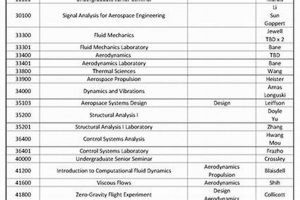
The content and focus of aerospace engineering programs must evolve to reflect current industry practices and emerging technologies. If curricula lag behind, graduates may lack the specialized knowledge required for immediate contributions to the workforce. For instance, a lack of emphasis on composite materials or advanced manufacturing techniques in academic programs can hinder a graduate’s ability to contribute effectively to modern aircraft design projects. This necessitates a continuous review and updating of curriculum to ensure graduates possess in-demand skills.
- Practical Experience
A shortage of opportunities for practical experience, such as internships or co-op programs, can limit a graduate’s ability to apply theoretical knowledge to real-world engineering challenges. Employers often seek candidates with demonstrable experience in applying engineering principles to solve practical problems. A lack of sufficient practical experience can make it difficult for graduates to compete effectively in the job market, even with strong academic credentials.
- Specialized Skills Shortages
Specific skill shortages within aerospace engineering can further exacerbate the gap between education and industry needs. For example, a limited number of engineers with expertise in areas such as artificial intelligence, cybersecurity, or space systems engineering can restrict the industry’s ability to pursue innovation and address emerging challenges. These shortages require targeted educational initiatives and professional development programs to address specific skill gaps.
- Faculty Expertise and Resources
The expertise of faculty members and the availability of modern laboratory equipment and software tools directly impact the quality of aerospace engineering education. If faculty lack experience in current industry practices or if educational institutions lack adequate resources, graduates may not receive the training necessary to succeed in the workforce. Ensuring that educators possess up-to-date knowledge and that institutions are equipped with the necessary resources is essential for bridging the skills gap.
Addressing the gap between education and skills requirements is essential for ensuring a consistent flow of qualified aerospace engineers into the workforce. A close collaboration between industry and educational institutions, along with a commitment to continuous curriculum improvement and professional development, is critical for meeting the evolving needs of the aerospace sector. Effectively addressing this ensures the sector continues to have the trained professionals it needs to innovate and grow.
Frequently Asked Questions
This section addresses common inquiries concerning career prospects in the aerospace engineering field, offering concise and factual responses.
Question 1: What factors most influence the job market for aerospace engineers?
Government funding for space exploration and defense, commercial aviation growth, technological advancements, and the evolving needs of the defense sector are primary determinants.
Question 2: How does government spending affect aerospace engineering employment?
Increased government investment in space programs or defense initiatives typically leads to more job opportunities, while budget cuts can have the opposite effect.
Question 3: What role does commercial aviation play in aerospace engineering job availability?
Expansion in the commercial aviation industry, including increased aircraft production and modernization efforts, generates demand for engineers skilled in aircraft design and maintenance.
Question 4: How do technological advancements impact the need for aerospace engineers?
Innovations in areas such as composite materials, propulsion systems, and autonomous flight require engineers with specialized skills, driving demand for those with expertise in emerging technologies.
Question 5: What is the significance of the “skills gap” in aerospace engineering?
A discrepancy between the skills possessed by graduates and the requirements of employers can limit the ability to fill positions, highlighting the need for updated educational curricula and practical experience opportunities.
Question 6: Are there specific geographic regions with higher demand for aerospace engineers?
Regions with significant aerospace manufacturing, research, or government facilities often experience greater demand. Locations near major aerospace companies or military bases are typical examples.
In summation, a complex interplay of factors influences the job market for aerospace engineers. Understanding these factors is crucial for navigating career paths and securing employment in this dynamic field.
The subsequent section provides a conclusion, summarizing key insights and considering the future prospects of aerospace engineering employment.
Conclusion
The preceding analysis confirms that the requirement for aerospace engineers is a complex and dynamic issue, influenced by a confluence of factors. Government funding, commercial aviation growth, space industry expansion, technological advancements, defense sector requirements, and the education and skills gap all contribute to shaping the employment landscape for professionals in this field. While periods of growth and stability are evident, cyclical fluctuations and emerging challenges necessitate a proactive approach to career planning and skill development.
Sustained progress within the aerospace sector hinges on addressing the identified skills gap and fostering closer collaboration between industry and educational institutions. Continuous monitoring of government policies, technological trends, and evolving global demands is essential for ensuring a robust and adaptable workforce. Ultimately, the future of aerospace engineering depends on the ability to cultivate a talent pool equipped to meet the multifaceted challenges and opportunities that lie ahead.