



The proportion of students who commence an aerospace engineering program but do not complete it represents a significant metric within higher education. This figure reflects a combination of academic, personal, and institutional factors that influence a student’s decision to discontinue their studies. For example, a cohort of 100 students entering an aerospace engineering program with 30 students not graduating would represent a 30% attrition rate.
Understanding the magnitude and underlying causes of student attrition is crucial for universities and educational policymakers. Elevated rates can indicate deficiencies in curriculum design, student support services, or the overall learning environment. Analyzing historical trends provides valuable context, allowing institutions to identify patterns and implement proactive measures to enhance student retention and improve program effectiveness, ultimately contributing to a more robust aerospace workforce.
The following sections will delve into the specific factors contributing to this phenomenon, examining academic challenges, financial constraints, and alternative career pathways that influence students’ decisions to depart from aerospace engineering programs. Furthermore, strategies for improving student retention and enhancing the overall educational experience will be explored.
Strategies for Mitigating Attrition in Aerospace Engineering Programs
Addressing the challenge of student attrition in aerospace engineering requires a multifaceted approach. Institutions must focus on strengthening academic support, enhancing career guidance, and fostering a more inclusive and engaging learning environment.
Tip 1: Enhance Foundational STEM Skills: Students entering aerospace engineering programs should possess a strong foundation in mathematics, physics, and computer science. Targeted interventions, such as bridge programs or remedial courses, can help address skill gaps and ensure students are adequately prepared for the rigors of the curriculum. For example, offering a pre-semester calculus intensive could improve student success in early engineering courses.
Tip 2: Provide Robust Mentorship and Advising: Connecting students with experienced faculty and industry professionals can offer invaluable guidance and support. Mentorship programs can help students navigate academic challenges, explore career options, and develop professional networks. Regular advising sessions should focus not only on course selection but also on long-term career goals and strategies for success.
Tip 3: Foster a Collaborative Learning Environment: Aerospace engineering is inherently collaborative. Encouraging teamwork, group projects, and peer-to-peer learning can create a more supportive and engaging academic experience. Facilitating study groups and collaborative problem-solving sessions can enhance student understanding and reduce feelings of isolation.
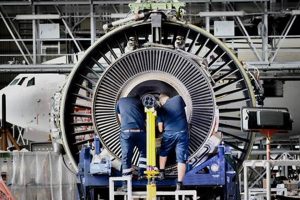
Tip 4: Integrate Hands-On Learning Opportunities: Theory alone is insufficient for developing competent aerospace engineers. Incorporating hands-on learning experiences, such as laboratory experiments, design projects, and internships, can enhance student engagement and provide practical skills. For instance, building and testing model rockets or participating in design competitions can solidify theoretical knowledge.
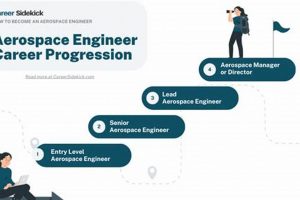
Tip 5: Promote Awareness of Diverse Career Paths: Aerospace engineering encompasses a broad range of career opportunities, from research and development to manufacturing and operations. Exposing students to the diverse career paths available within the field can help them identify their interests and develop a clear career vision. Guest lectures from industry professionals and site visits to aerospace companies can provide valuable insights.
Tip 6: Address Financial Barriers to Completion: The cost of higher education can be a significant barrier to degree completion. Institutions should strive to provide adequate financial aid, scholarships, and work-study opportunities to alleviate financial burdens. Furthermore, offering flexible payment plans and counseling on financial literacy can help students manage their finances effectively.
These strategies, when implemented effectively, can contribute to a more supportive and engaging academic environment, leading to improved student retention and a more successful aerospace engineering workforce.
The final section will provide a comprehensive conclusion, summarizing the key findings and offering recommendations for future research and practice.
1. Academic Rigor

Aerospace engineering programs are inherently demanding, requiring a strong aptitude for mathematics, physics, and advanced problem-solving. The intense curriculum, coupled with high expectations for student performance, can contribute significantly to attrition rates. The correlation arises as students unprepared for the level of intellectual challenge, or lacking adequate support systems to navigate it, may experience academic difficulties leading to discouragement and ultimately, withdrawal from the program. A real-life example can be found in comparing dropout rates between universities with stringent admission criteria and those with more lenient ones; often, the latter see higher attrition linked to students struggling to meet the academic demands.
The importance of academic rigor as a component influencing attrition lies in its direct impact on student self-efficacy and perceived ability to succeed. When students consistently face challenges exceeding their current skill level without sufficient resources (tutoring, mentorship, well-designed introductory courses), they are more likely to question their career choice and explore alternative fields. Furthermore, the pressure to maintain a high GPA for future employment or graduate studies can amplify stress and anxiety, negatively impacting academic performance and increasing the likelihood of dropping out. The practical significance of understanding this connection is that it allows institutions to design interventions aimed at mitigating the negative effects of academic rigor, such as improved preparatory programs or early warning systems to identify struggling students.
In summary, the high academic standards of aerospace engineering, while essential for producing competent professionals, also pose a significant challenge for students. This challenge, when unaddressed by appropriate support mechanisms, contributes to elevated dropout rates. Institutions must proactively manage the balance between maintaining academic rigor and providing resources to enable students to thrive, thus reducing attrition and ensuring a larger pool of qualified aerospace engineers. Future research could focus on identifying specific academic pressure points within the curriculum and developing targeted support strategies tailored to address these challenges.
2. Financial Strain
Financial strain represents a significant determinant in the attrition rate of aerospace engineering students. The cost of tuition, fees, textbooks, and living expenses can create a substantial burden, particularly for students from lower socioeconomic backgrounds. This financial pressure can necessitate students working long hours in part-time jobs, diverting time and energy away from their studies, ultimately impacting academic performance and increasing the likelihood of dropping out. Instances of students foregoing essential resources like tutoring or advanced learning materials due to budget constraints illustrate this direct relationship.
The effect of financial pressure is amplified by the often-unforeseen costs associated with aerospace engineering programs. These costs might include specialized software licenses, travel expenses for conferences or competitions, and materials for design projects. Students encountering these unexpected expenses may struggle to allocate resources effectively, leading to increased stress and a reduced capacity to succeed academically. Furthermore, the prospect of accruing substantial debt upon graduation can deter students, especially when weighed against the perceived job security and starting salaries in the aerospace sector compared to other fields. Evidence suggests that programs with higher tuition costs often exhibit increased dropout rates, even when controlling for other factors.
In conclusion, the financial burden associated with aerospace engineering education significantly contributes to student attrition. Addressing this challenge requires multifaceted strategies, including increased financial aid opportunities, improved access to affordable resources, and transparent communication about program costs. Institutions must recognize the importance of mitigating financial barriers to ensure that talented students from all socioeconomic backgrounds have the opportunity to succeed in aerospace engineering, benefiting both the individual and the industry as a whole. Future initiatives could explore innovative funding models or subsidized resource programs to further alleviate financial strain on aerospace engineering students.
3. Career Misalignment

Career misalignment, defined as a discrepancy between a student’s expectations, interests, and skills, and the actual demands and nature of the aerospace engineering profession, constitutes a significant contributor to program attrition. Students may enter the field with idealized notions shaped by popular media, lacking a realistic understanding of the rigorous theoretical work, demanding problem-solving, and often specialized focus required. This initial mismatch can lead to disillusionment when the academic experience fails to align with their preconceived expectations. For instance, a student primarily interested in space exploration may discover that the curriculum heavily emphasizes aerodynamics and structural analysis, subjects they find less engaging, fostering a sense of frustration and ultimately prompting consideration of alternative fields.
The practical significance of understanding the link between career misalignment and the aerospace engineering attrition rate lies in the potential for targeted interventions. By providing prospective students with more accurate and comprehensive information about the diverse career paths within aerospace, institutions can better align student expectations with the realities of the profession. Early exposure to hands-on projects, industry mentorship opportunities, and realistic job simulations can offer a more grounded perspective, allowing students to make informed decisions about their academic and career trajectory. Furthermore, universities can implement career counseling programs that assist students in identifying their strengths and interests, and exploring alternative engineering or technical fields that may be a better fit, thereby mitigating potential dissatisfaction and dropout rates.
In summary, career misalignment is a critical factor influencing student attrition in aerospace engineering. Addressing this challenge requires proactive measures to enhance student awareness, provide realistic experiences, and offer personalized career guidance. By aligning student expectations with the actual demands of the profession, institutions can reduce attrition rates and cultivate a more engaged and committed student body. Future research could investigate the effectiveness of specific career exploration interventions in improving student retention and satisfaction within aerospace engineering programs.
4. Inadequate Support
The correlation between inadequate support systems and the aerospace engineering attrition rate is significant. Students entering these demanding programs often require a robust network of academic, financial, and emotional resources to navigate the challenges effectively. The absence of such support can lead to feelings of isolation, academic struggles, and ultimately, program withdrawal. For example, the lack of readily available tutoring, mentorship programs, or mental health services can disproportionately affect students from underrepresented backgrounds who may lack pre-existing support networks. These students may face academic difficulties compounded by social and cultural adjustment challenges, making them more susceptible to dropping out.
Understanding the specific areas where support is lacking allows institutions to implement targeted interventions. Insufficient academic advising can result in students choosing inappropriate courses or failing to access available resources. Limited opportunities for research or hands-on experience may lead to disillusionment and a sense of disconnect from the practical applications of their studies. The practical implication is that universities should conduct thorough assessments of their support services and identify gaps in meeting the diverse needs of their aerospace engineering students. This may involve expanding tutoring services, establishing peer mentoring programs, or providing dedicated support for students with learning disabilities or mental health concerns.
In conclusion, inadequate support systems directly contribute to the aerospace engineering attrition rate. By prioritizing the development and implementation of comprehensive support programs, institutions can create a more inclusive and nurturing environment, ultimately improving student retention and fostering a more diverse and successful aerospace workforce. Future research should focus on evaluating the effectiveness of specific support interventions and identifying best practices for promoting student success in aerospace engineering programs.
5. Program Suitability

Program suitability, referring to the alignment between a student’s aptitude, learning style, and the specific structure and demands of an aerospace engineering program, plays a critical role in influencing the attrition rate. A mismatch in this regard can lead to academic struggles, disillusionment, and eventual withdrawal.
- Learning Style Compatibility
Aerospace engineering programs typically emphasize analytical and problem-solving skills, often delivered through lectures, simulations, and hands-on projects. Students whose preferred learning styles are not aligned with these methods may struggle to grasp the complex concepts and fall behind, increasing the likelihood of attrition. For example, a student who thrives in collaborative, discussion-based environments might find the largely individualistic, lecture-heavy format of some programs demotivating.
- Aptitude and Foundational Knowledge
Success in aerospace engineering hinges on a strong foundation in mathematics, physics, and computer science. Students lacking the requisite aptitude or foundational knowledge may find themselves struggling to keep pace with the curriculum, leading to frustration and a higher probability of dropping out. A student with weak calculus skills, for instance, will likely struggle with courses in aerodynamics and orbital mechanics, potentially leading to a decision to pursue a different field.
- Curriculum Structure and Specialization Options
The structure of the curriculum and the availability of specialization options can impact program suitability. Students with specific interests within aerospace engineering, such as propulsion systems or satellite design, may become disengaged if the program lacks sufficient depth in their area of interest. A rigid curriculum with limited elective choices can also hinder students seeking to tailor their education to their unique goals and preferences, increasing the chance of attrition. For example, a student interested in bioastronautics may find limited opportunities to explore this field within a traditional aerospace engineering program.
- Program Culture and Support Systems
The overall culture of the program and the availability of supportive resources can significantly influence a student’s sense of belonging and well-being. Programs with a competitive, cutthroat environment or a lack of adequate mentorship and advising services may contribute to feelings of isolation and academic stress, increasing the risk of attrition. A student who feels unsupported by faculty and peers may be less likely to persist through challenging coursework or overcome setbacks.
These facets of program suitability underscore the importance of careful program selection and institutional support in mitigating the aerospace engineering dropout rate. By ensuring that students are well-matched to the demands and culture of their chosen program, and by providing adequate resources to support their academic and personal growth, universities can foster a more positive and successful educational experience, ultimately leading to improved retention rates.
Frequently Asked Questions Regarding Aerospace Engineering Attrition
This section addresses common inquiries about the factors influencing the proportion of students who do not complete their aerospace engineering degrees. The following questions provide a comprehensive overview of the causes and potential solutions related to this issue.
Question 1: What constitutes the typical range for the aerospace engineering dropout rate across various institutions?
The aerospace engineering attrition rate can vary significantly, typically ranging from 20% to 50%, depending on factors such as institutional selectivity, program structure, and the availability of support services. More selective institutions often report lower attrition due to stricter admission criteria and greater resources.
Question 2: Are there specific academic subjects within the aerospace engineering curriculum that disproportionately contribute to student attrition?
Certain foundational courses, particularly those involving advanced mathematics and physics, tend to pose significant challenges for students. Courses such as Thermodynamics, Fluid Mechanics, and Orbital Mechanics often have higher failure rates and contribute to students reconsidering their chosen major.
Question 3: To what extent do financial constraints impact the decision to discontinue studies in aerospace engineering?
Financial difficulties represent a substantial barrier for many students. The cost of tuition, coupled with living expenses and the potential for accumulating significant debt, can force students to prioritize immediate financial needs over long-term educational goals. This can be especially pronounced among students from lower socioeconomic backgrounds.
Question 4: What role do career expectations play in student persistence within aerospace engineering programs?
Unrealistic or misinformed career expectations can lead to disillusionment and attrition. Students who enter the program with idealized notions of working on glamorous projects may become discouraged when faced with the often-rigorous and highly specialized nature of the field. Exposure to realistic career paths and opportunities is crucial for retaining students.
Question 5: What institutional support mechanisms have proven most effective in mitigating the aerospace engineering dropout rate?
Effective strategies include robust academic advising, mentorship programs, tutoring services, and early intervention programs for struggling students. Creating a supportive and inclusive learning environment, coupled with opportunities for hands-on experience and research, can significantly improve student retention.
Question 6: Can the aerospace engineering dropout rate be considered a reliable indicator of program quality or effectiveness?
While the aerospace engineering attrition rate can offer insights into potential program weaknesses, it should not be used as the sole metric for assessing program quality. Factors beyond institutional control, such as economic conditions and student demographics, can also influence attrition rates. A comprehensive evaluation should consider multiple indicators of student success.
These answers provide a foundation for understanding the complexities surrounding attrition within aerospace engineering programs. Continued research and proactive institutional efforts are essential for addressing this ongoing challenge.
The subsequent section will offer a concluding summary, reinforcing the key insights and proposing potential avenues for future investigation.
Conclusion
This exploration of the aerospace engineering dropout rate has illuminated multifaceted factors contributing to student attrition in this challenging field. Academic rigor, financial strain, career misalignment, inadequate support systems, and issues of program suitability each exert considerable influence on students’ decisions to persist or withdraw. The interplay of these elements necessitates a holistic approach to address and mitigate the concerning levels of non-completion within aerospace engineering programs.
The aerospace engineering dropout rate is a persistent challenge, demanding ongoing attention and strategic intervention from academic institutions, government agencies, and the aerospace industry. Continued research into the underlying causes, coupled with proactive implementation of effective support mechanisms, is crucial for fostering a more resilient and diverse aerospace workforce, ensuring the continued advancement of this critical sector. The future vitality of aerospace engineering hinges on its ability to retain and cultivate the talent necessary to drive innovation and progress.
![Is a Masters in Aerospace Engineering Worth It? [Guide] | Innovating the Future of Flight with Reliable Aviation Solutions](https://mixaerospace.com/wp-content/uploads/2026/05/th-66-300x200.jpg "Is a Masters in Aerospace Engineering Worth It? [Guide] Innovating the Future of Flight with Reliable Aviation Solutions")