The study of designing, developing, and testing aircraft and spacecraft within the United States educational system is a specialized field attracting individuals globally. It encompasses a broad range of disciplines including aerodynamics, propulsion, materials science, and control systems. Foreign nationals pursuing this academic path often seek opportunities within the nation’s leading universities and research institutions known for their advanced programs and resources.
The pursuit of this technical discipline within the United States offers access to cutting-edge research, advanced facilities, and potential career paths within globally recognized aerospace companies and governmental agencies. A historical context reveals a consistent demand for skilled professionals in this sector, driven by ongoing advancements in aviation, space exploration, and defense technology. Successful completion of a degree program can lead to significant contributions in areas ranging from the development of fuel-efficient aircraft to the design of next-generation spacecraft.
This article will provide an overview of the application process for international students, discuss leading universities offering relevant programs, examine potential career opportunities, and address common challenges faced by those studying this field. Furthermore, it will explore resources available to support academic and professional development, alongside insights into navigating visa requirements and cultural adaptation.
Guidance for International Students Pursuing Aerospace Engineering in the USA
This section provides actionable guidance for foreign nationals interested in studying aerospace engineering at universities within the United States. Careful planning and preparation are essential for a successful academic and professional journey.
Tip 1: Research University Programs Extensively: Prospective students should thoroughly investigate university curricula, research opportunities, and faculty expertise. Consider factors such as program rankings, specializations offered (e.g., astronautics, aerodynamics), and available resources like wind tunnels or computational facilities. Examining faculty profiles and publications can reveal the strengths and research focuses of a specific department.
Tip 2: Meet English Language Proficiency Requirements: Demonstrating proficiency in English is crucial. The TOEFL and IELTS are commonly accepted standardized tests. Strive for scores exceeding the minimum requirements to enhance competitiveness. Taking preparatory courses or engaging in intensive English language training prior to application can be beneficial.
Tip 3: Strengthen Academic Transcripts: Academic performance in mathematics, physics, and related STEM subjects is heavily weighted during the admissions process. Maintain a high GPA and consider advanced coursework, such as AP or IB classes, to demonstrate academic rigor. Participation in science competitions or extracurricular activities related to engineering can further strengthen an application.
Tip 4: Prepare a Compelling Statement of Purpose: The statement of purpose is a critical component of the application. Articulate clear and concise career goals, research interests, and reasons for selecting a specific program. Highlight relevant experiences, skills, and accomplishments, and explain how the program aligns with future aspirations. Specific examples and anecdotes can make the statement more engaging and memorable.
Tip 5: Secure Funding and Scholarships: Studying in the U.S. can be expensive. Research and apply for scholarships, grants, and fellowships offered by universities, government agencies, and private organizations. Explore opportunities for teaching or research assistantships, which can provide financial support and valuable experience. Develop a comprehensive budget and explore loan options if necessary.
Tip 6: Understand Visa Requirements Thoroughly: The F-1 student visa is required for full-time academic study. Familiarize oneself with the application process, documentation requirements, and deadlines. Begin the visa application process well in advance of the program start date. Maintain accurate records and adhere to all visa regulations throughout the duration of study.
Tip 7: Network with Professionals and Students: Attend conferences, workshops, and career fairs to connect with industry professionals and current students. Join relevant student organizations and professional societies to expand networks and learn about career opportunities. Networking can provide valuable insights, mentorship, and potential job leads.
These steps are intended to increase the probability of admission to competitive aerospace engineering programs in the United States, and to facilitate a smooth transition to student life. By proactively addressing these considerations, international students can improve their academic and professional prospects.
The subsequent sections will explore specific university programs, career paths, and resources available to support international students pursuing studies in this demanding field.
1. Academic Rigor

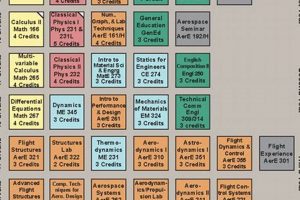
The successful completion of an aerospace engineering degree in the United States demands a high degree of academic rigor. For international students, this necessitates not only mastering technical concepts but also adapting to a different educational system and often, a second language. The curriculum typically involves advanced mathematics (calculus, differential equations, linear algebra), physics (mechanics, thermodynamics, electromagnetism), and specialized engineering courses such as aerodynamics, propulsion, and structural analysis. The intensity and depth of these subjects require dedicated study habits and a proactive approach to learning. A failure to meet these demands can result in academic probation or even dismissal from the program, highlighting the direct consequence of insufficient academic preparation.
The significance of academic rigor extends beyond mere grade attainment. The ability to apply theoretical knowledge to practical problems is paramount. For example, designing a stable and efficient aircraft wing requires a solid understanding of fluid dynamics, materials science, and control systems. International students are often expected to participate in research projects, design competitions, and internships, which provide opportunities to apply their academic learning to real-world challenges. These experiences are crucial for developing the critical thinking and problem-solving skills necessary for a successful career in the aerospace industry. Furthermore, many programs require students to complete a capstone design project, which serves as a culminating demonstration of their acquired knowledge and abilities.
In conclusion, academic rigor is a foundational component for international students pursuing aerospace engineering in the United States. Overcoming the academic challenges necessitates diligent study, effective time management, and proactive engagement with the curriculum. The rewards for meeting these demands include not only a prestigious degree but also the development of essential skills and knowledge needed to contribute to the global aerospace community. However, insufficient preparation or dedication to academic work will likely impede progress and limit future career opportunities.
2. Funding Availability
The pursuit of advanced degrees in aerospace engineering within the United States by international students is significantly contingent upon funding availability. The cost of tuition, fees, living expenses, and health insurance can present a substantial financial burden, potentially precluding talented individuals from accessing these educational opportunities. The correlation between adequate funding and access to these programs is direct; insufficient financial resources effectively limit the pool of qualified international applicants, impacting the diversity and potential innovation within the field. For example, a promising student from a developing nation may possess the intellectual capacity to excel in aerospace engineering but be unable to attend a U.S. university without external financial assistance.
Several avenues for funding exist, including merit-based scholarships offered by universities, government-sponsored grants, and private fellowships. Competitive scholarships often require exceptional academic records, standardized test scores, and strong letters of recommendation. Research assistantships and teaching assistantships can also provide financial support, in exchange for contributing to faculty research or instructional activities. Navigating this complex landscape of funding options requires proactive research, meticulous application preparation, and a realistic assessment of financial needs. A successful application for external funding can be the determining factor in whether an international student is able to enroll and complete their aerospace engineering studies in the U.S. Conversely, a lack of funding can force students to either forgo their studies or incur significant debt, affecting their long-term financial stability.
In conclusion, funding availability is an integral and often decisive component for foreign nationals seeking advanced education in aerospace engineering within the United States. The challenge lies in the highly competitive nature of available funding sources and the necessity for applicants to present a compelling case for financial support. Overcoming this financial hurdle is critical for enabling talented international students to contribute to the advancement of aerospace technology and innovation, while a failure to secure adequate funding represents a significant obstacle to both individual aspirations and the overall growth of the field.
3. Visa Requirements

The ability of international students to pursue aerospace engineering programs in the United States is inextricably linked to compliance with U.S. visa regulations. These regulations dictate the legal parameters under which foreign nationals can study, work, and reside within the country, significantly impacting their access to educational opportunities and future career prospects in this field. Strict adherence to these requirements is not merely a formality but a fundamental prerequisite for participation in aerospace engineering programs.
- The F-1 Student Visa
The F-1 visa is the primary pathway for international students seeking to engage in full-time academic study within the United States. Obtaining this visa necessitates acceptance into a Student and Exchange Visitor Program (SEVP)-certified institution, demonstrating sufficient financial resources to cover educational and living expenses, and proving an intent to return to one’s home country upon completion of studies. For aerospace engineering students, this means demonstrating acceptance into a qualified program and fulfilling the financial requirements to cover potentially high tuition costs. A failure to meet these criteria results in visa denial, preventing the student from commencing their studies.
- Maintaining Visa Status
Maintaining legal visa status throughout the duration of study is crucial. This includes enrolling in a full course load, adhering to employment restrictions, and updating the Designated School Official (DSO) at the university with any changes in address or academic program. For instance, unauthorized employment or a failure to maintain a full course load can lead to a violation of visa status and potential deportation. Aerospace engineering students must therefore carefully manage their academic and professional activities to remain in compliance with visa regulations.
- Curricular Practical Training (CPT) and Optional Practical Training (OPT)
CPT allows international students to gain practical experience directly related to their field of study through internships or cooperative education programs during their academic program. OPT provides a period of temporary employment related to the student’s major after graduation. For aerospace engineering students, these programs offer valuable opportunities to gain industry experience and potentially secure future employment. However, both CPT and OPT are subject to specific regulations and require prior authorization from the DSO and U.S. Citizenship and Immigration Services (USCIS). Non-compliance with these regulations can jeopardize visa status.
- Security Clearance Considerations
Certain aerospace engineering positions, particularly those involving classified research or work on sensitive technologies, require U.S. security clearance. Obtaining security clearance can be challenging for international students due to citizenship requirements and background checks. While some positions may be accessible without clearance, the range of career opportunities may be limited. Students should be aware of these limitations and consider the potential impact on their career aspirations when choosing their area of specialization within aerospace engineering.
The complexities of U.S. visa regulations present a significant consideration for international students seeking to pursue aerospace engineering studies. Navigating these requirements necessitates careful planning, diligent compliance, and proactive communication with university officials and relevant government agencies. A thorough understanding of these regulations is paramount for ensuring a successful and legally compliant academic journey in the United States, directly influencing their access to education and career paths within this specialized field.
4. Career Prospects
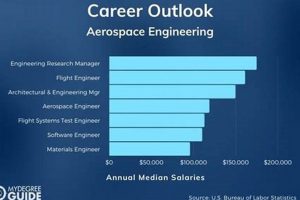
The career prospects available to international students graduating with degrees in aerospace engineering from universities in the United States are influenced by a complex interplay of factors, including visa regulations, security clearance requirements, and industry demands. Understanding these dynamics is essential for students seeking to maximize their employment opportunities following graduation.
- Employment in the Commercial Aviation Sector
The commercial aviation sector presents opportunities in aircraft design, manufacturing, and maintenance. Roles may include working on the development of more fuel-efficient engines, designing improved aerodynamic structures, or ensuring the safety and reliability of existing aircraft fleets. However, employment in certain roles may be restricted due to security concerns or government regulations, potentially limiting opportunities for non-U.S. citizens. For example, designing critical flight control systems for commercial airlines may require U.S. citizenship.
- Opportunities in the Space Exploration Industry
The space exploration industry, encompassing both government agencies like NASA and private companies, offers roles in spacecraft design, mission planning, and satellite technology. International students may find positions working on projects related to robotics, propulsion systems, or payload development. However, certain positions within NASA and other government agencies may be limited to U.S. citizens due to security clearance requirements. This impacts the range of available opportunities, often restricting international students to research-oriented or less security-sensitive roles.
- Research and Development Roles in Academia and Industry
Research and development roles in universities, research institutions, and private companies offer opportunities to contribute to advancements in aerospace technology. These positions may involve working on projects related to advanced materials, artificial intelligence, or novel propulsion systems. International students often find these roles more accessible, as they may not require security clearance and allow them to leverage their research skills. For example, contributing to research on hypersonic flight or developing new composite materials for aircraft structures are viable career paths.
- Navigating Visa Sponsorship and Work Authorization
Securing employment often requires sponsorship for work visas such as the H-1B. Companies must demonstrate that there are no qualified U.S. workers available for the position. The availability of visa sponsorships can fluctuate based on government policies and economic conditions, creating uncertainty for international students seeking long-term employment. Furthermore, some companies may be hesitant to sponsor visas due to the associated costs and administrative burdens, further limiting opportunities. Understanding the visa sponsorship landscape and actively networking with potential employers are crucial for maximizing career prospects.
In summary, while a degree in aerospace engineering from a U.S. university provides international students with valuable skills and knowledge, their career prospects are contingent upon navigating complex regulatory and economic factors. Opportunities exist across various sectors, but awareness of visa requirements, security clearance considerations, and industry hiring practices is essential for successful career progression.
5. Cultural Adaptation
Successful integration into the academic and professional landscape of aerospace engineering in the United States necessitates more than just technical proficiency for international students. Cultural adaptation is a critical component that significantly influences academic performance, networking opportunities, and overall well-being. Its impact extends beyond personal comfort, directly affecting the ability to collaborate effectively within diverse teams and navigate the nuances of the U.S. aerospace industry.
- Communication Styles and Team Dynamics
Varying communication styles can create barriers within team projects and professional interactions. Directness, assertiveness, and expectations regarding formal versus informal communication differ across cultures. For instance, a student accustomed to a hierarchical academic environment may find the collaborative and egalitarian nature of U.S. engineering teams challenging. Misinterpretations can lead to misunderstandings, hindering project progress and team cohesion. Effective adaptation requires awareness of these differences and a willingness to adjust communication strategies to foster clear and respectful interaction.
- Academic Expectations and Learning Environment
The U.S. academic system often emphasizes critical thinking, independent research, and active participation in class discussions. International students from educational systems that prioritize rote memorization or passive learning may find this transition demanding. Active engagement, questioning assumptions, and contributing to class discussions are essential for success. Furthermore, seeking assistance from professors and utilizing available academic support resources are crucial for navigating the academic environment effectively. Lack of adaptation to these expectations can lead to lower grades and a diminished learning experience.
- Social Integration and Networking Opportunities
Building a professional network is vital for career advancement in aerospace engineering. Social integration facilitates access to networking events, internships, and job opportunities. Cultural differences can pose challenges to forming meaningful connections with peers and industry professionals. Actively participating in student organizations, attending conferences, and engaging in social activities can help overcome these barriers. The ability to navigate social situations and build rapport is crucial for expanding professional networks and gaining access to valuable career opportunities.
- Navigating Cultural Differences in Professional Settings
The U.S. aerospace industry operates within a specific cultural context that influences workplace norms, ethical considerations, and professional expectations. Understanding these cultural nuances is essential for successful integration into the industry. For example, differing perspectives on intellectual property, confidentiality, and professional conduct can lead to misunderstandings. Adapting to the cultural norms of the U.S. aerospace industry, including demonstrating professionalism, adhering to ethical standards, and respecting cultural differences, is essential for building a successful career.
In conclusion, cultural adaptation is not merely an ancillary aspect of studying aerospace engineering in the United States for international students but rather an integral component for academic success, professional development, and personal well-being. Addressing the challenges associated with cultural differences proactively and embracing opportunities for cross-cultural understanding will significantly enhance the overall experience and contribute to a more rewarding and successful career in the field.
Frequently Asked Questions Regarding Aerospace Engineering Studies in the USA for International Students
This section addresses common inquiries and concerns pertaining to the pursuit of aerospace engineering education in the United States by foreign nationals. The responses provided aim to offer clarity and guidance based on current regulations and practices.
Question 1: What are the minimum academic prerequisites for international students applying to aerospace engineering programs in U.S. universities?
Academic prerequisites typically include a strong foundation in mathematics (calculus, differential equations, linear algebra), physics, and related STEM subjects. Transcripts from international institutions are evaluated based on their equivalency to U.S. standards. Competitive applicants generally possess high grades and standardized test scores (e.g., TOEFL, IELTS, GRE, although the GRE may be optional at some institutions).
Question 2: What financial resources are available to international students pursuing aerospace engineering in the USA?
Funding options include merit-based scholarships offered by universities, government-sponsored grants (though these are often restricted to U.S. citizens), and private fellowships. Research assistantships and teaching assistantships can provide financial support in exchange for academic work. Students should explore all available options and prepare a comprehensive budget.
Question 3: What are the specific visa requirements for international students studying aerospace engineering in the United States?
The F-1 student visa is the primary pathway for full-time academic study. Applicants must be accepted into a Student and Exchange Visitor Program (SEVP)-certified institution, demonstrate sufficient financial resources, and prove intent to return to their home country upon completion of studies. Maintaining legal visa status requires adherence to enrollment requirements and employment restrictions.
Question 4: How can international students enhance their career prospects in the U.S. aerospace industry after graduation?
Gaining practical experience through internships (Curricular Practical Training – CPT) and Optional Practical Training (OPT) is essential. Networking with industry professionals and joining relevant student organizations can expand career opportunities. However, certain positions may require U.S. citizenship or security clearance, potentially limiting options for non-U.S. citizens. Seeking opportunities in research and development or positions that do not require security clearance may be advantageous.
Question 5: What challenges might international students face regarding cultural adaptation while studying aerospace engineering in the USA?
Cultural adaptation can involve navigating differences in communication styles, academic expectations, and social norms. Active participation in campus activities, engagement with student organizations, and seeking support from international student services can facilitate integration. Understanding and respecting cultural differences within academic and professional settings is crucial for successful collaboration and networking.
Question 6: Is it possible for international students in aerospace engineering to obtain U.S. security clearance required for certain positions?
Obtaining U.S. security clearance can be challenging for international students due to citizenship requirements and background checks. While some positions may be accessible without clearance, the range of career opportunities may be limited. Students should research specific employer requirements and consider the potential impact on their career aspirations.
The information provided above serves as a general guide. Individual circumstances may vary, and consulting with university advisors and immigration specialists is recommended for personalized guidance.
The subsequent sections will delve into additional resources and support systems available for international students pursuing aerospace engineering in the USA.
Conclusion
The preceding analysis has explored the multifaceted landscape of aerospace engineering studies in the United States for international students. The critical aspects of academic rigor, funding availability, visa requirements, career prospects, and cultural adaptation have been examined. Each element presents distinct challenges and opportunities for foreign nationals seeking to advance their knowledge and expertise within this specialized field. A comprehensive understanding of these interconnected factors is essential for informed decision-making and strategic planning.
The pursuit of aerospace engineering studies in the United States requires meticulous preparation, diligent execution, and adaptability. Potential students are encouraged to conduct thorough research, proactively address potential obstacles, and leverage available resources to maximize their academic and professional success. The continued advancement of the global aerospace industry relies on the contributions of talented individuals from diverse backgrounds, underscoring the importance of fostering an inclusive and supportive environment for international students in this demanding, yet rewarding, discipline.