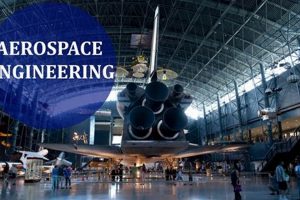
The discipline concerned with the design, development, testing, and production of aircraft and spacecraft within the archipelago is a specialized field. It integrates principles of physics, mathematics, and engineering to address the unique challenges and opportunities presented by the country’s geographical location and developmental goals. This field focuses on adapting global advancements in aviation and space technology to the specific needs and capabilities of the nation.
The importance of cultivating expertise in this area lies in its potential to bolster national security, improve transportation infrastructure, and contribute to scientific advancement. Historically, the development of this capability has been driven by the need to maintain airworthiness standards, enhance air traffic control systems, and participate in international collaborations related to space exploration and satellite technology. The long-term benefits include economic growth, technological independence, and increased participation in the global aerospace community.
The following sections will delve into the educational pathways, career opportunities, and ongoing research initiatives that define this evolving field within the national context. Analysis of current industry trends, government regulations, and international partnerships will provide a more complete understanding of the forces shaping its future.
Essential Guidance for Aspiring Professionals
This section provides actionable advice for individuals pursuing a career path focused on aircraft and spacecraft technology within the Philippine setting. These recommendations are designed to enhance academic performance, professional development, and career prospects.
Tip 1: Cultivate a Strong Foundation in STEM: A robust understanding of mathematics, physics, and computer science is fundamental. Concentrate on these core subjects throughout secondary and tertiary education to build a solid analytical skillset. For example, proficiency in calculus is crucial for understanding aerodynamics, while programming skills are essential for simulation and data analysis.
Tip 2: Seek Relevant Internship Opportunities: Practical experience within the aviation industry or related sectors is invaluable. Actively pursue internships with airlines, maintenance, repair, and overhaul (MRO) facilities, or government agencies involved in aerospace activities. Hands-on involvement enhances theoretical knowledge and exposes individuals to real-world challenges.
Tip 3: Prioritize Professional Licensure: Obtain the necessary licenses and certifications required to practice as an engineer in the Philippines. This demonstrates competence and adherence to professional standards. Requirements may include passing specific examinations administered by the Professional Regulation Commission (PRC).
Tip 4: Engage in Research and Development: Participate in research projects related to aerospace engineering. This can involve working with university faculty, collaborating with industry partners, or contributing to independent research initiatives. Such involvement fosters innovation and problem-solving abilities.
Tip 5: Develop Effective Communication Skills: Technical expertise must be complemented by the ability to communicate effectively with colleagues, clients, and stakeholders. Focus on honing written and oral communication skills, including the ability to present complex technical information clearly and concisely.
Tip 6: Stay Abreast of Industry Advancements: The field of aerospace is constantly evolving. Regularly update knowledge and skills by attending conferences, reading industry publications, and pursuing continuing education opportunities. Staying informed about emerging technologies ensures ongoing relevance and competitiveness.
Tip 7: Network with Industry Professionals: Building connections within the aviation and space sectors is crucial for career advancement. Attend industry events, join professional organizations, and actively engage with individuals working in relevant roles. Networking expands career prospects and provides valuable insights into industry trends.
Adhering to these guidelines can significantly increase the likelihood of success for those seeking to establish themselves within the sector. A combination of academic rigor, practical experience, and professional development is essential for navigating the complexities and capitalizing on the opportunities available.
The subsequent sections will examine the educational institutions offering relevant programs and the specific career paths available to graduates within the Philippines.
1. Education and Training

Education and training are foundational to developing a robust aerospace sector. These elements directly influence the quality and availability of skilled personnel capable of advancing technological innovation and ensuring operational safety within the archipelago’s unique environment.
- Curriculum Development
The design of academic curricula must align with both international standards and the specific needs of the local industry. This includes incorporating courses that cover core aerospace engineering principles, as well as specialized topics relevant to the Philippine context, such as air transportation management in an archipelagic environment. An example would be tailoring courses to address the maintenance challenges posed by operating aircraft in tropical climates.
- Hands-on Experience
Theoretical knowledge must be complemented by practical experience. Educational institutions should provide opportunities for students to engage in hands-on projects, simulations, and internships with aviation companies or government agencies. This can include building and testing small-scale aircraft models, participating in flight simulations, or working on real-world engineering problems alongside industry professionals.
- Faculty Expertise
The quality of education is directly tied to the expertise and experience of the faculty. Institutions should invest in attracting and retaining qualified professors with advanced degrees and practical experience in aerospace engineering. Faculty members should also be encouraged to engage in research and professional development activities to stay abreast of the latest advancements in the field.
- Accreditation and Certification
Ensuring that aerospace engineering programs meet recognized standards is crucial for maintaining quality and facilitating international recognition. Accreditation by reputable organizations provides assurance that graduates have received a comprehensive and rigorous education. Furthermore, opportunities for obtaining professional certifications should be made available to enhance the career prospects of graduates.
These interconnected facets of education and training are essential for building a skilled workforce capable of driving innovation, ensuring safety, and contributing to the growth of the field. A comprehensive and well-supported educational infrastructure is a fundamental prerequisite for a thriving aerospace sector in the Philippines.
2. Research and Development

The advancement of aircraft and spacecraft technology within the Philippine context is inextricably linked to robust research and development (R&D) initiatives. Investment in R&D directly influences the nation’s capacity to adapt, innovate, and compete in the global aerospace arena. A lack of focused research efforts would impede progress in areas crucial to the nation’s specific needs, such as developing solutions for efficient air transport across the archipelago or optimizing aircraft performance in tropical climates. For example, targeted R&D could lead to the development of cost-effective, locally manufactured components for aircraft maintenance, reducing reliance on expensive imports.
Applied research efforts should focus on addressing practical challenges faced by the Philippine aviation industry. This includes the investigation of alternative aviation fuels suitable for local conditions, the design of efficient air traffic management systems to optimize airspace utilization, and the development of drone technologies for agricultural monitoring and disaster response. The practical application of R&D outcomes can manifest in the form of improved operational efficiency, enhanced safety protocols, and the creation of new economic opportunities within the aviation and related sectors. Furthermore, partnerships between research institutions and private companies can accelerate the commercialization of innovative technologies and drive economic growth.
In conclusion, vigorous R&D is not merely a desirable component but a critical engine for the evolution of the aerospace sector in the Philippines. Sustained investment in targeted research initiatives, coupled with effective collaboration between stakeholders, is essential for overcoming existing limitations and realizing the full potential of aircraft and spacecraft technology for national development. The absence of a strong R&D foundation would ultimately hinder progress and limit the nation’s ability to participate meaningfully in the global aerospace community.
3. Industry Collaboration
Effective collaboration between academic institutions, government agencies, and private sector companies is paramount for the advancement of aircraft and spacecraft technology within the Philippines. These synergistic relationships are crucial for translating theoretical knowledge into practical applications, fostering innovation, and ensuring the sustained growth and competitiveness of the national aerospace sector.
- Joint Research Initiatives
Collaborative research projects between universities and industry partners enable the pooling of resources, expertise, and infrastructure. This collaborative model facilitates the investigation of relevant challenges and the development of innovative solutions tailored to the specific needs of the Philippine aviation environment. For instance, a partnership between a university’s engineering department and an airline could focus on optimizing aircraft maintenance schedules to improve efficiency and reduce operational costs.
- Internship and Training Programs
Industry-sponsored internship programs provide students with valuable hands-on experience and exposure to real-world engineering challenges. These programs bridge the gap between academic learning and practical application, preparing students for successful careers in the aerospace industry. Furthermore, collaborative training initiatives can upskill existing professionals, ensuring that the workforce remains competitive and adaptable to evolving technological advancements.
- Technology Transfer and Commercialization
Collaboration facilitates the transfer of technology and knowledge from research institutions to private sector companies, enabling the commercialization of innovative products and services. This process stimulates economic growth and promotes the development of a thriving local aerospace manufacturing sector. For example, a collaborative effort could result in the development and production of locally manufactured aircraft components, reducing reliance on expensive imports and creating job opportunities.
- Standards Development and Regulatory Compliance
Effective collaboration between industry stakeholders and government agencies is essential for the development of relevant standards and regulations that promote safety, efficiency, and innovation within the aerospace sector. This collaborative approach ensures that regulations are practical, enforceable, and aligned with international best practices. Such cooperation also helps to address the specific challenges and opportunities presented by the Philippine aviation environment.
The successful implementation of aircraft and spacecraft technology in the Philippines hinges on the cultivation of strong, collaborative relationships between all stakeholders. These partnerships are vital for fostering innovation, developing a skilled workforce, and ensuring the sustainable growth of the national aerospace sector. The absence of such collaboration would impede progress, limit the nation’s ability to capitalize on the potential benefits of this rapidly evolving field, and ultimately hinder the realization of national development goals.
4. Government Regulation
Government regulation provides the framework for the development and operation of the aircraft and spacecraft sector within the Philippines. These regulations dictate standards for safety, security, environmental protection, and economic stability, thereby shaping the direction and pace of aircraft and spacecraft technological advancement.
- Airworthiness Standards
The Civil Aviation Authority of the Philippines (CAAP) establishes and enforces airworthiness standards for all aircraft operating within the country. These standards cover design, manufacturing, maintenance, and operational procedures. Compliance ensures aircraft are safe for flight, minimizing the risk of accidents. For example, CAAP mandates regular inspections and adherence to specific maintenance schedules based on aircraft type and usage.
- Airspace Management and Air Traffic Control
Government regulations define airspace usage, air traffic control procedures, and navigation standards. Effective management of airspace is critical for ensuring the safe and efficient flow of air traffic, particularly in densely populated regions. Regulations address flight paths, altitude restrictions, and communication protocols between pilots and air traffic controllers. This is crucial given the Philippines’ archipelagic nature and the high volume of air travel.
- Licensing and Certification
The government, through CAAP and other relevant agencies, regulates the licensing and certification of aircraft maintenance engineers, pilots, and other aviation personnel. These regulations set the minimum qualifications and training requirements necessary to perform specific roles. Strict enforcement of these standards ensures a competent workforce capable of maintaining and operating aircraft safely and effectively. For example, pilots must undergo rigorous training and pass examinations to obtain and maintain their licenses.
- Environmental Regulations
Environmental regulations aim to mitigate the environmental impact of aircraft and spacecraft activities, addressing noise pollution, emissions, and waste management. The government sets limits on aircraft noise levels and enforces standards for fuel efficiency and emission control. These regulations are becoming increasingly important as concerns about climate change and sustainability grow. Airports are often required to implement noise reduction strategies and invest in more fuel-efficient aircraft.
These interconnected regulatory facets collectively influence the trajectory of aircraft and spacecraft technological development within the Philippines. Strict adherence to established standards is crucial for ensuring safety, promoting economic stability, and mitigating the environmental impact of aerospace activities, thereby fostering a sustainable and responsible sector. The effectiveness of government oversight directly impacts the long-term growth and competitiveness of the Philippine aerospace industry.
5. Career Opportunities
The presence and advancement of aircraft and spacecraft technology within the Philippines directly influences the availability and diversity of employment opportunities for skilled professionals. The development of this area creates a demand for engineers, technicians, researchers, and managers capable of designing, maintaining, and operating complex aviation and space systems. Without a viable and expanding industry, opportunities would be limited, potentially leading to a brain drain as qualified individuals seek employment elsewhere. For example, the expansion of Philippine Airlines (PAL) and Cebu Pacific, along with the establishment of Maintenance, Repair, and Overhaul (MRO) facilities, has generated employment for aircraft maintenance engineers and technicians.
The creation of career pathways serves as a vital incentive for individuals to pursue education and training in related fields. A clear link between academic programs and tangible job prospects encourages investment in technical skills and fosters a strong workforce. Opportunities extend beyond traditional engineering roles to include areas such as air traffic control, aviation safety, and aerospace management. The establishment of space technology programs by the Philippine government, such as the Philippine Space Agency (PhilSA), has further diversified opportunities, creating roles in satellite engineering, remote sensing, and data analysis. Furthermore, the growth of the drone industry in the Philippines has created career paths in areas such as aerial surveying, agricultural monitoring, and infrastructure inspection.
In summary, career opportunities are a critical element for aircraft and spacecraft technology development in the Philippines, serving as both a driver and a consequence of industry growth. Fostering a supportive environment for career advancement is essential for attracting talent, retaining skilled professionals, and ensuring the continued progress of the nation’s aerospace sector. Overcoming challenges such as skills gaps and attracting investment are crucial to realizing the full potential of the sector and providing meaningful career paths for Filipinos.
Frequently Asked Questions
This section addresses common inquiries and clarifies misconceptions surrounding the study and practice of aerospace engineering within the Philippine context. It aims to provide factual information for prospective students, industry professionals, and the general public.
Question 1: Are aerospace engineering programs in the Philippines accredited internationally?
Accreditation status varies among institutions. Prospective students should verify the specific accreditation of their chosen program, as this can impact international recognition and career opportunities. Local accreditation by organizations such as the Philippine Technological Council (PTC) is common; however, international accreditation requires meeting the standards of organizations like ABET (Accreditation Board for Engineering and Technology).
Question 2: What are the primary challenges facing the aerospace industry in the Philippines?
Key challenges include limited funding for research and development, a shortage of experienced professionals, and dependence on imported technology. Furthermore, regulatory complexities and the need to enhance air traffic management systems pose significant obstacles. Addressing these challenges requires concerted efforts from government, industry, and academia.
Question 3: What career paths are available to aerospace engineering graduates in the Philippines?
Graduates may find employment with airlines, maintenance and repair organizations (MROs), government agencies such as the Civil Aviation Authority of the Philippines (CAAP) and the Philippine Space Agency (PhilSA), and aviation training centers. Specific roles may include aircraft maintenance engineer, air traffic controller, aerospace design engineer, and project manager.
Question 4: How does the Philippine government support the aerospace industry?
Government support includes funding for research and development projects, the establishment of aerospace-related training programs, and the implementation of policies aimed at attracting foreign investment. PhilSA’s establishment signifies a commitment to space technology development. However, continued investment and strategic planning are crucial for sustained growth.
Question 5: What is the role of the Philippine Space Agency (PhilSA) in developing aerospace technology?
PhilSA is mandated to plan, develop, and promote the national space program. Its activities encompass satellite development, remote sensing applications, space science research, and international collaboration. PhilSA plays a crucial role in fostering indigenous capabilities in space technology and driving innovation in related fields.
Question 6: How can students gain practical experience in aerospace engineering in the Philippines?
Opportunities for practical experience include internships with airlines, MRO facilities, and government agencies. Participating in student design competitions, joining aerospace-related organizations, and engaging in research projects can also provide valuable hands-on learning. Networking with industry professionals is also highly recommended.
In summary, aerospace engineering in the Philippines presents both challenges and opportunities. Addressing the existing limitations through strategic investment, collaboration, and workforce development is essential for realizing the sector’s full potential.
The subsequent section will explore the future outlook and potential growth areas for aerospace engineering within the nation.
Aerospace Engineering Philippines
This exploration has underscored several critical aspects of aircraft and spacecraft technology within the archipelago. These include the essential role of education and training, the necessity of robust research and development, the benefits of industry collaboration, the importance of effective government regulation, and the creation of meaningful career opportunities. Each of these elements is interconnected and contributes to the overall health and advancement of the sector.
Continued commitment to strengthening these pillars is paramount for securing a prosperous future. Investment in education, fostering innovation, and promoting collaboration are not merely desirable goals but rather strategic necessities for national development. The nation must strive to cultivate a skilled workforce, develop indigenous technological capabilities, and actively participate in the global aerospace community to realize its full potential. Failure to do so risks stagnation and the forfeiture of opportunities for economic growth, technological independence, and enhanced national security.