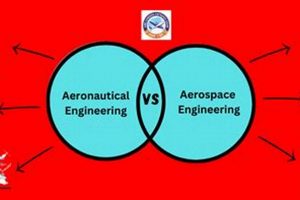
The comparison of aerospace engineering and aeronautical engineering is a common point of consideration for prospective engineering students. Aeronautical engineering primarily focuses on the design, development, and testing of aircraft that operate within Earth’s atmosphere. Aerospace engineering encompasses a broader scope, including the design and development of aircraft, spacecraft, and missiles, extending beyond the Earth’s atmosphere into space exploration and satellite technology.
Understanding the nuances between these two disciplines is crucial for career planning within the aviation and space industries. Historically, aeronautical engineering emerged first, focusing on the challenges of flight within the atmosphere. As technology advanced and space exploration became a reality, aerospace engineering evolved to address the complexities of operating in both atmospheric and extraterrestrial environments. This expansion requires a wider understanding of propulsion systems, materials science, and orbital mechanics.
The following sections will delve into the specific areas of study, career paths, and required skill sets associated with each field, providing a detailed comparison to assist in determining which engineering path aligns best with individual interests and professional goals. Furthermore, the curriculum differences, the types of projects undertaken, and the ultimate impact each field has on technological advancement will be explored.
Guidance on Choosing Between Aerospace and Aeronautical Engineering
Selecting the appropriate engineering discipline requires careful consideration of individual interests, career aspirations, and academic strengths. Evaluating the subtle differences between aerospace and aeronautical engineering is paramount to making an informed decision.
Tip 1: Assess Core Interests: Evaluate a genuine fascination with aircraft versus spacecraft. A strong interest in atmospheric flight suggests aeronautical engineering, while an interest in space exploration, satellites, and interplanetary travel suggests aerospace engineering.
Tip 2: Scrutinize Curriculum Differences: Compare the course curricula of both programs at prospective universities. Note the emphasis on aerodynamics, propulsion, and aircraft design in aeronautical engineering versus astrodynamics, spacecraft design, and orbital mechanics in aerospace engineering.
Tip 3: Investigate Career Trajectories: Research the typical career paths available to graduates of each program. Aeronautical engineers often find roles in aircraft manufacturing, airlines, and aviation regulatory agencies. Aerospace engineers may pursue careers in the space industry, defense contractors, and satellite communications companies.
Tip 4: Consider Specialization Options: Recognize that both fields offer specialization opportunities. Aeronautical engineers may specialize in areas such as aerodynamics, propulsion, or avionics. Aerospace engineers can specialize in areas such as astronautics, satellite systems, or mission design.
Tip 5: Evaluate Required Skill Sets: Consider the necessary skill sets for each field. Both require strong analytical, problem-solving, and mathematical abilities. Aerospace engineering often demands a deeper understanding of physics and orbital mechanics.
Tip 6: Analyze Job Market Trends: Conduct research into current and projected job market trends for both aeronautical and aerospace engineers. Identify areas of growth and demand to align education with future employment opportunities.
Tip 7: Explore Extracurricular Activities: Seek opportunities to engage in related extracurricular activities, such as rocketry clubs, aviation societies, or participation in engineering competitions. Such involvement can provide valuable hands-on experience and inform career decisions.
In summary, carefully assessing individual interests, comparing curricula, investigating career paths, considering specialization options, evaluating required skill sets, analyzing job market trends, and exploring related activities are crucial steps in determining the most suitable engineering discipline.
The subsequent discussion will address frequently asked questions and common misconceptions surrounding the choice between these two distinct, yet related, engineering fields.
1. Scope

The scope of each discipline is a fundamental differentiator when considering aerospace engineering versus aeronautical engineering. Aeronautical engineering, by definition, is constrained to the design, development, and operation of aircraft within Earth’s atmosphere. This specialization means aeronautical engineers focus on technologies such as aerodynamics, propulsion systems optimized for atmospheric flight, and aircraft structures engineered to withstand the stresses of flight within the atmosphere. In contrast, aerospace engineering possesses a broader scope, encompassing not only atmospheric flight but also extending to spacecraft, satellites, missiles, and other vehicles designed to operate beyond Earth’s atmosphere. As a consequence, aerospace engineers require a deeper understanding of orbital mechanics, space environment effects on materials, and propulsion systems suitable for both atmospheric and vacuum conditions. A real-life example illustrating this distinction is the development of a new passenger jet (aeronautical) versus the design of a Mars rover (aerospace). Understanding the scope is important because it determines the range of potential career paths and the specific skill sets required.
The implications of scope extend into the curriculum and research opportunities available within each field. Aeronautical engineering programs typically emphasize topics such as aircraft design, wind tunnel testing, and flight control systems. Aerospace engineering programs include these subjects but also incorporate astrodynamics, spacecraft propulsion, and satellite communications. Practically, an aerospace engineer might work on the design of a satellite constellation for global internet access, while an aeronautical engineer could be involved in optimizing the wing design for a more fuel-efficient airliner. Furthermore, the nature of research projects differs. Aeronautical research may focus on improving aerodynamic efficiency for commercial aircraft, whereas aerospace research may explore advanced materials for heat shields used in atmospheric re-entry.
In summary, the scope of aerospace engineering is demonstrably wider than that of aeronautical engineering. This difference has a significant impact on curriculum, career opportunities, and the type of engineering projects undertaken. Prospective students should carefully consider their interests and long-term goals in relation to the scope of each field. While both fields demand strong analytical and problem-solving skills, a desire to work on projects related to space exploration or satellite technology clearly indicates a preference for aerospace engineering. The critical challenge lies in aligning personal ambitions with the constraints and opportunities presented by each discipline’s distinct scope.
2. Environment

The operational environment presents a critical distinction between aerospace and aeronautical engineering. The conditions under which an aircraft or spacecraft must function dictate design considerations, material selection, and overall engineering approach. This environmental contrast directly influences the choice between pursuing a career in aeronautical or aerospace engineering.
- Atmospheric Conditions
Aeronautical engineering primarily addresses flight within Earth’s atmosphere. This entails designing aircraft to withstand and operate effectively within a range of atmospheric conditions, including varying temperatures, pressures, wind speeds, and weather phenomena. For example, designing aircraft wings to generate lift efficiently at different altitudes and air densities falls within this domain. This focus on atmospheric flight necessitates a deep understanding of aerodynamics and fluid dynamics.
- Space Environment
Aerospace engineering extends beyond the atmosphere to encompass the vacuum of space and the unique challenges it presents. This includes designing spacecraft to withstand extreme temperature variations, radiation exposure, and the absence of atmospheric pressure. Satellite design, for instance, demands careful consideration of thermal management to prevent overheating in direct sunlight and freezing in shadow. Furthermore, spacecraft must be shielded from harmful radiation that can damage electronic components.
- Materials Science
The environmental demands dictate the selection of materials for aircraft and spacecraft construction. Aeronautical engineering often employs aluminum alloys and composite materials optimized for strength and weight in atmospheric conditions. Aerospace engineering, however, may require the use of specialized materials such as titanium alloys and heat-resistant ceramics to withstand the extreme temperatures encountered during atmospheric re-entry or the long-term exposure to the space environment. The development of heat shields for spacecraft exemplifies this material selection process.
- Propulsion Systems
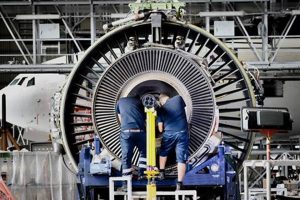
The environment also influences the type of propulsion systems used. Aeronautical engineering typically utilizes air-breathing engines, such as jet engines and turboprops, which rely on atmospheric oxygen for combustion. Aerospace engineering, conversely, employs rocket engines that carry their own oxidizer, allowing them to operate in the vacuum of space. Furthermore, specialized propulsion systems, such as ion thrusters, are used for long-duration space missions due to their high efficiency.
These environmental considerations directly impact the design process, material choices, and propulsion systems employed in both aeronautical and aerospace engineering. Understanding the environmental constraints is crucial for aspiring engineers to make an informed decision about which field aligns best with their interests and career goals. While both fields require a strong foundation in engineering principles, the specific knowledge and skills needed to address environmental challenges differ significantly. Choosing between aeronautical and aerospace engineering hinges on an individual’s fascination with either atmospheric flight or space exploration and the unique environmental challenges associated with each.
3. Curriculum

The curriculum constitutes a significant element in differentiating aerospace engineering from aeronautical engineering, directly impacting an individual’s suitability for either discipline. A careful examination of the curriculum associated with each field reveals the specialized knowledge and skills imparted to students, influencing career trajectories and professional expertise. Cause and effect are clearly demonstrated; the curriculum content shapes the engineer’s capabilities, directing them towards specific roles within the aviation or space sectors. The importance of the curriculum lies in its provision of a foundational understanding of relevant engineering principles and practices. For instance, an aeronautical engineering curriculum emphasizes aerodynamics, aircraft design, and propulsion systems specific to atmospheric flight. Conversely, an aerospace engineering curriculum incorporates astrodynamics, spacecraft design, and orbital mechanics. The practical significance of understanding these curricular differences is exemplified by a prospective student’s choice: a student interested in designing fuel-efficient aircraft will likely find an aeronautical engineering curriculum more appropriate, while a student aspiring to work on satellite communication systems would benefit more from the curriculum of an aerospace engineering program.
Further analysis reveals that curriculum extends beyond theoretical knowledge, encompassing practical application through laboratory work, design projects, and internship opportunities. Aeronautical engineering curricula often feature wind tunnel testing, flight simulation, and aircraft maintenance exercises. Aerospace engineering curricula might include satellite payload design, rocket propulsion testing, and mission planning simulations. The application of theoretical knowledge to real-world scenarios is a crucial component of engineering education, directly influencing a graduate’s readiness for professional practice. The practical curriculum of aeronautical engineering is clearly exemplified in internships with aircraft manufacturers, while aerospace engineers might secure internships with space agencies or satellite companies, thus linking directly to career opportunities.
In summary, the curriculum serves as a defining factor in distinguishing between aerospace and aeronautical engineering. It shapes the specialized knowledge, practical skills, and career paths available to graduates. The challenges involved in selecting an appropriate curriculum underscore the need for thorough research and a clear understanding of individual interests and professional goals. A mismatch between curriculum content and personal aspirations can lead to career dissatisfaction or a need for further specialized education. Therefore, careful consideration of curriculum content is paramount in determining the optimal engineering path.
4. Job Market

The job market serves as a critical determinant in the evaluation of aerospace engineering versus aeronautical engineering. Analyzing employment trends, industry demands, and salary expectations provides valuable insights for prospective students navigating the choice between these two fields.
- Industry Growth Sectors
Specific industry sectors demonstrate varying growth rates, influencing employment opportunities for both aerospace and aeronautical engineers. For example, the increasing demand for unmanned aerial vehicles (UAVs) or drones has created new positions for aeronautical engineers specializing in their design and control. Simultaneously, the expansion of the commercial space sector, including satellite launch services and space tourism, has spurred job growth for aerospace engineers focused on spacecraft development and mission operations. Understanding these growth sectors is vital in assessing long-term career prospects.
- Geographic Location of Opportunities
Employment opportunities are not uniformly distributed geographically. Concentrations of aerospace engineering jobs often exist near major space centers, defense contractors, and research institutions. In contrast, aeronautical engineering positions may be more prevalent near aircraft manufacturing facilities, airlines, and aviation regulatory agencies. Considering geographic preferences and willingness to relocate is a factor in evaluating job market potential.
- Salary Expectations
Salary expectations can differ between aerospace and aeronautical engineering roles based on factors such as experience, specialization, and geographic location. Researching average salaries for various positions within each field provides a benchmark for evaluating financial prospects. Higher levels of education, such as a master’s degree or doctorate, may also influence earning potential.
- Specific Skill Demand
The demand for specific skills within the job market also shapes the desirability of each field. For instance, expertise in computational fluid dynamics (CFD) may be highly sought after in both aerospace and aeronautical engineering. However, skills in astrodynamics, satellite communications, or mission planning might be more valuable for aerospace engineers. Identifying and acquiring in-demand skills enhances job market competitiveness.
In conclusion, the job market landscape for aerospace and aeronautical engineering is dynamic and multifaceted. Evaluating industry growth sectors, geographic distribution of opportunities, salary expectations, and specific skill demands provides a comprehensive assessment of career prospects. Ultimately, aligning individual skills and interests with the evolving demands of the job market is essential in determining the most suitable engineering path.
5. Specialization

Specialization within aerospace and aeronautical engineering acts as a significant determinant in aligning individual skills and interests with specific career paths, thereby influencing the perceived “better” choice between the two disciplines. The concentration of knowledge and skills in a particular area directly impacts career opportunities and the types of projects an engineer may undertake. This focus dictates the level of expertise achieved, ultimately affecting professional contributions to the aviation and space industries.
- Aerodynamics and Fluid Dynamics
This specialization focuses on the study of air and other fluids in motion, crucial for designing efficient aircraft wings and optimizing spacecraft re-entry profiles. For aeronautical engineers, it involves minimizing drag and maximizing lift for improved fuel efficiency in commercial aircraft. For aerospace engineers, it includes modeling hypersonic flow around spacecraft during atmospheric re-entry. The performance characteristics of aircraft and spacecraft are profoundly affected by these factors.
- Propulsion Systems
Propulsion specialization centers on the design and development of engines and related systems that generate thrust. Aeronautical engineers might concentrate on improving the efficiency of jet engines or developing alternative fuels for aviation. Aerospace engineers might focus on rocket engine design for space launch vehicles or electric propulsion systems for long-duration space missions. This specialization is critical for achieving efficient and reliable flight both within and beyond the atmosphere.
- Structures and Materials
This area involves the analysis and design of airframe and spacecraft structures, considering material properties and environmental factors. Aeronautical engineers might focus on designing lightweight composite structures for aircraft wings, while aerospace engineers might concentrate on developing heat shields for spacecraft or radiation-resistant materials for satellites. The structural integrity and safety of aircraft and spacecraft are paramount concerns within this specialization.
- Control Systems and Avionics
Specialization in control systems and avionics concerns the development of electronic systems that control aircraft and spacecraft. Aeronautical engineers might work on flight control systems for commercial aircraft, while aerospace engineers might develop guidance, navigation, and control systems for satellites or interplanetary probes. Precise control and reliable navigation are crucial for both atmospheric and space flight.
The choice between aerospace and aeronautical engineering becomes more nuanced when considering specialization. While both fields offer opportunities in these areas, the specific focus and application differ substantially. An individual with a strong interest in hypersonic aerodynamics might lean towards aerospace, while someone fascinated by improving the efficiency of commercial aircraft engines might find aeronautical engineering more appealing. Therefore, the “better” discipline is subjective and contingent on the alignment of individual interests with the available specializations and career prospects within each field.
Frequently Asked Questions
This section addresses common inquiries and misconceptions regarding the distinction between aerospace and aeronautical engineering, providing factual information to aid in informed decision-making.
Question 1: Is aerospace engineering simply a more advanced version of aeronautical engineering?
Aerospace engineering is not necessarily a more advanced version, but rather a broader field. Aeronautical engineering concentrates on aircraft operating within the Earth’s atmosphere, whereas aerospace engineering encompasses both atmospheric and space-based vehicles. Both disciplines require a strong foundation in mathematics and physics, with aerospace engineering often incorporating specialized knowledge of orbital mechanics and space environment effects.
Question 2: Does choosing aeronautical engineering limit career opportunities compared to aerospace engineering?
Choosing aeronautical engineering does not inherently limit career opportunities, but it does focus them. Aeronautical engineers are well-prepared for roles in aircraft design, manufacturing, and maintenance. While aerospace engineers may also pursue these roles, aeronautical engineers often possess more specialized knowledge related to atmospheric flight, potentially making them more competitive for certain positions within the aviation industry.
Question 3: Are the fundamental engineering principles the same for both aerospace and aeronautical engineering?
Yes, both fields share a common foundation in engineering principles, including thermodynamics, fluid mechanics, and structural analysis. However, the application of these principles differs based on the operational environment. For example, fluid mechanics principles are applied to analyze airflow around an aircraft wing in aeronautical engineering and to model plasma flow around a spacecraft during atmospheric re-entry in aerospace engineering.
Question 4: Is a master’s degree required to specialize in either aerospace or aeronautical engineering?
While a master’s degree is not always required, it is often recommended for specialization and advancement in either field. A master’s program allows for focused study in areas such as propulsion, aerodynamics, or control systems, enhancing expertise and opening doors to research and development roles.
Question 5: What are the key differences in the day-to-day tasks of an aerospace engineer versus an aeronautical engineer?
The day-to-day tasks vary depending on the specific role and project. However, an aeronautical engineer might spend time designing and testing aircraft components, analyzing flight data, or ensuring regulatory compliance. An aerospace engineer might work on designing satellite systems, modeling orbital trajectories, or testing spacecraft materials in simulated space environments.
Question 6: Which field, aerospace or aeronautical engineering, offers better job security?
Job security in both fields depends on factors such as economic conditions, government funding, and technological advancements. Both industries are subject to fluctuations, but long-term demand for skilled engineers in both areas is expected to remain strong, particularly with continued growth in air travel, space exploration, and satellite technology. Diversifying skill sets and staying abreast of industry trends enhances job security in either field.
Ultimately, the “better” choice between aerospace and aeronautical engineering hinges on individual interests, career aspirations, and a realistic assessment of the job market. Thorough research and careful consideration of the factors discussed are crucial in making an informed decision.
The subsequent section will provide concluding remarks, summarizing the key distinctions and offering guidance for prospective engineering students.
Aerospace Engineering vs. Aeronautical Engineering
The preceding analysis has explored the nuances between aerospace engineering vs aeronautical engineering, highlighting the distinctions in scope, environment, curriculum, job market, and specialization. While both disciplines share a common foundation in engineering principles, their application and focus diverge significantly. The determination of a superior field is intrinsically linked to individual aspirations and career objectives. A comprehensive understanding of these differences is paramount for prospective engineering students seeking to make an informed decision.
Ultimately, the choice between aerospace engineering vs aeronautical engineering represents a pivotal step in shaping a career trajectory within the aviation and space industries. Continued advancements in both atmospheric and space technologies necessitate a highly skilled workforce. Therefore, rigorous self-assessment and thorough research are strongly encouraged to align personal interests with the demands and opportunities presented by each discipline, thereby contributing to future innovation and progress.
![[Guide] How to Get an Aerospace Engineering Internship + Tips! | Innovating the Future of Flight with Reliable Aviation Solutions](https://mixaerospace.com/wp-content/uploads/2026/04/th-268-300x200.jpg "[Guide] How to Get an Aerospace Engineering Internship + Tips! Innovating the Future of Flight with Reliable Aviation Solutions")