Employment opportunities within the aerospace sector located in the southern region of California represent a significant segment of the state’s economy. These positions encompass a broad range of specializations, including engineering, manufacturing, research and development, and administrative support, all contributing to the design, production, and maintenance of aircraft, spacecraft, and related technologies. For example, an engineer designing satellite communication systems or a technician assembling aircraft components would both be considered part of this employment landscape.
The availability of these specialized positions is vital to maintaining California’s leading role in aerospace innovation and production. The concentration of talent and infrastructure in this geographical area fosters collaboration, accelerates technological advancements, and drives economic growth. Historically, Southern California has been a hub for aerospace activity, attracting significant investment and shaping the industry’s trajectory.
This article will delve into the specifics of available career paths, the leading companies offering these roles, the required skill sets, and the factors contributing to the region’s continued prominence in the aerospace industry. Further exploration will highlight the educational institutions and training programs that prepare individuals for successful careers in this field.
The following recommendations aim to assist individuals seeking employment in the highly competitive Southern California aerospace industry. Success requires strategic preparation and a thorough understanding of the market dynamics.
Tip 1: Target Specific Companies: Research leading aerospace firms in the region, such as Boeing, Northrop Grumman, SpaceX, and Lockheed Martin. Tailor applications to align with their specific projects and technological focus. For example, if a company specializes in satellite technology, highlight experience in relevant communication systems or payload design.
Tip 2: Emphasize Relevant Education and Certifications: A degree in aerospace engineering, mechanical engineering, electrical engineering, or a related field is generally essential. Consider pursuing advanced degrees or specialized certifications, such as those offered by the American Institute of Aeronautics and Astronautics (AIAA), to enhance qualifications.
Tip 3: Develop a Strong Technical Skill Set: Proficiency in CAD software (e.g., CATIA, SolidWorks), simulation tools (e.g., ANSYS, MATLAB), and programming languages (e.g., Python, C++) is highly valued. Showcase these skills through project portfolios and practical examples.
Tip 4: Network Strategically: Attend industry events, conferences, and career fairs. Engage with professionals through online platforms like LinkedIn. Informational interviews with individuals working in the field can provide valuable insights and networking opportunities.
Tip 5: Tailor Resumes and Cover Letters: Avoid generic applications. Carefully review job descriptions and tailor resumes and cover letters to highlight the specific skills and experiences that match the requirements. Quantify achievements whenever possible, using metrics to demonstrate impact.
Tip 6: Prepare for Technical Interviews: Expect rigorous technical interviews that assess problem-solving abilities and in-depth knowledge of aerospace principles. Practice answering common interview questions and be prepared to discuss previous projects and technical challenges overcome.
Tip 7: Consider Internship Opportunities: Internships provide invaluable experience and can lead to full-time employment. Target internships with established aerospace companies to gain practical skills and build professional connections.
Successful navigation of the Southern California employment landscape requires diligent preparation, targeted skills development, and strategic networking. Focusing on these elements significantly increases the likelihood of securing a desired position.
The next section will address the long-term outlook for careers within the Southern California aerospace sector, considering factors such as technological advancements and industry trends.
1. Engineering Dominance

Engineering disciplines are paramount within Southern California’s aerospace employment landscape. This dominance stems from the sector’s inherent need for sophisticated design, development, and problem-solving skills, establishing engineering roles as the primary drivers of innovation and progress.
- Design Engineering’s Central Role
Design engineers are critical in the development of aircraft, spacecraft, and related systems. Their work involves conceptualizing, modeling, and testing designs to meet stringent performance and safety requirements. For example, design engineers at Boeing in Long Beach contribute to the design of aircraft components, impacting fuel efficiency and structural integrity. The demand for these engineers reflects the sector’s ongoing need for innovative solutions.
- Systems Engineering and Integration
Systems engineers are responsible for integrating various components and subsystems into cohesive, functional aerospace systems. They ensure that all elements work together effectively and meet overall mission objectives. At Northrop Grumman in Redondo Beach, systems engineers play a crucial role in the development of satellite systems, requiring meticulous attention to detail and a deep understanding of complex interactions. These skills are highly valued within the region.
- Specialized Engineering Disciplines
Beyond general engineering roles, specialized disciplines such as aerospace, mechanical, electrical, and software engineering are also in high demand. Aerospace engineers focus on aerodynamics and propulsion, mechanical engineers on structural integrity and thermal management, electrical engineers on avionics and power systems, and software engineers on embedded systems and control algorithms. The presence of these specialized roles underscores the complexity and breadth of the region’s aerospace activities.
- Research and Development Engineering
Research and development engineers are at the forefront of technological advancement, conducting experiments, simulations, and analyses to improve existing systems and develop new technologies. Their work may involve exploring advanced materials, propulsion systems, or autonomous technologies. The presence of significant R&D activities in Southern California, driven by both established companies and startups, creates numerous opportunities for these highly skilled engineers.
The concentration of engineering talent in Southern California is a key factor in maintaining the region’s leadership in the aerospace industry. The demand for skilled engineers across various disciplines ensures a competitive employment market and drives continued innovation, solidifying its position as a hub for engineering excellence.
2. Manufacturing Prowess

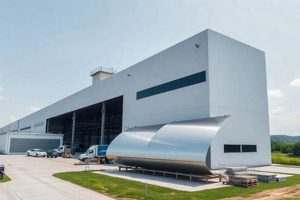
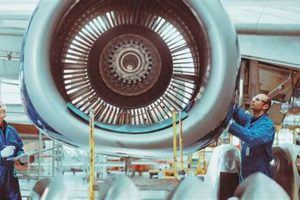
Southern California’s significant role in aerospace manufacturing directly translates into a substantial number of employment opportunities within the region. The ability to efficiently and effectively produce aircraft, spacecraft, and related components necessitates a large and skilled workforce. This demand spans diverse skill sets, ranging from highly specialized machinists and technicians to quality control inspectors and production managers. The presence of major aerospace manufacturers such as Boeing (although its physical footprint has decreased), Lockheed Martin, and Northrop Grumman, coupled with a network of smaller suppliers, collectively drive the demand for manufacturing talent. The effect of increased manufacturing output is a corresponding increase in the number of available positions. Manufacturing prowess is therefore an integral component of the broader “aerospace jobs in southern california” landscape.
The competitive nature of the aerospace industry requires constant advancements in manufacturing techniques. This, in turn, necessitates continuous training and upskilling of the workforce. For instance, the adoption of additive manufacturing (3D printing) for aerospace components has created a demand for engineers and technicians with expertise in this technology. Companies are investing in training programs and apprenticeships to develop the necessary skills within their workforce. Similarly, the growing use of composite materials in aircraft construction requires specialized manufacturing processes and personnel trained in their application and handling. The practical significance lies in Southern California’s ability to remain competitive by adapting to these technological changes, ensuring the sustained availability of manufacturing roles.
In conclusion, the “Manufacturing Prowess” within Southern California’s aerospace sector is a key driver of employment opportunities. The continued success of this sector depends on ongoing investment in advanced manufacturing technologies and the development of a highly skilled workforce. Challenges remain in attracting and retaining qualified personnel, particularly in the face of increasing competition from other industries and regions. However, the long-standing tradition of aerospace manufacturing in Southern California, coupled with its innovative spirit, positions it to remain a significant player in the industry and a provider of manufacturing employment for years to come.
3. Research Intensity

The concentration of research and development activities significantly impacts the landscape of employment in Southern California’s aerospace sector. High research intensity necessitates a workforce skilled in scientific inquiry, experimentation, and advanced analysis. This creates demand for engineers, scientists, and technicians specializing in areas like propulsion systems, advanced materials, and autonomous technologies. The presence of institutions such as Caltech and the University of Southern California, alongside corporate research facilities operated by companies like Boeing and Northrop Grumman, fuels this demand by generating a continuous stream of innovative projects and discoveries. For example, research into hypersonic flight at Caltech requires a team of specialized engineers and scientists, subsequently contributing to employment opportunities related to that specific field. The causal relationship between research investment and job creation is a key factor in the region’s aerospace prominence.
Sustained research efforts translate into tangible benefits for the region’s economy, attracting further investment and fostering a cycle of growth. The development of new technologies not only creates immediate employment opportunities but also establishes long-term competitive advantages for companies operating in Southern California. This leads to the creation of higher-paying positions and enhances the region’s reputation as a hub for innovation. Furthermore, research activities often lead to the formation of spin-off companies and startups, further diversifying the employment base. The practical application of this understanding lies in recognizing the strategic importance of supporting research initiatives to maintain and expand the aerospace workforce in Southern California. Government funding, industry partnerships, and university collaborations are all crucial components in fostering a thriving research environment. These activities are important to the economy in the local area.
In summary, research intensity is a fundamental driver of employment within Southern California’s aerospace industry. The continuous pursuit of new knowledge and technological advancements necessitates a highly skilled workforce, fostering innovation and economic growth. Challenges remain in ensuring sufficient funding for research initiatives and attracting top talent to the region. However, the commitment to research remains a cornerstone of Southern California’s aerospace sector, ensuring its continued success and contribution to the region’s economy.
4. Defense Dependence
The reliance of Southern California’s aerospace sector on defense contracts is a crucial determinant of employment levels. This dependency creates a direct link between government defense spending and job availability. Fluctuations in defense budgets significantly impact the demand for engineers, technicians, and manufacturing personnel. For instance, a major contract award for the development of a new military aircraft would generate numerous positions in design, testing, and production phases. Conversely, budget cuts or project cancellations can lead to layoffs, particularly affecting companies heavily reliant on a specific government program. This cause-and-effect relationship underscores the vulnerability of the aerospace workforce to shifts in national defense priorities.
The practical significance of understanding this defense dependence lies in anticipating potential employment trends and mitigating risks. Companies diversify their portfolios to reduce reliance on single contracts. Moreover, workers can adapt their skills to align with evolving defense needs or explore opportunities in related sectors, such as commercial aviation or space exploration. For example, expertise in cybersecurity, initially developed for defense applications, is increasingly valuable in the commercial sector. Educational institutions also play a role by tailoring curricula to prepare graduates for a range of career paths within and beyond defense-related aerospace. Government policies that encourage diversification and investment in new technologies can help stabilize the sector and protect the workforce against sudden economic shocks.
In summary, defense dependence is a significant, albeit sometimes volatile, component of the “aerospace jobs in southern california” ecosystem. The relationship between government spending and employment levels is undeniable. Proactive measures by companies, workers, and educational institutions are essential for navigating this dynamic landscape and ensuring the long-term stability of the region’s aerospace workforce. Diversification, skills adaptation, and strategic planning can help mitigate the risks associated with fluctuations in defense spending and secure a more resilient future for Southern California’s aerospace sector.
5. Innovation Ecosystem

The strength of Southern California’s innovation ecosystem is intrinsically linked to the availability and nature of employment opportunities in its aerospace sector. A robust ecosystem fosters technological advancement, attracts talent, and sustains long-term industry growth, directly shaping the demand for skilled professionals.
- Academic Institutions and Research Hubs
Universities such as Caltech, USC, and UCLA contribute significantly to the aerospace innovation ecosystem through cutting-edge research and development. They produce graduates with advanced degrees and specialized skills, meeting the evolving demands of the industry. Collaborative research projects with aerospace companies facilitate knowledge transfer and create job opportunities in both academic and industrial settings. These institutions also foster an environment conducive to startups and technological spin-offs, adding to the diversity of available positions.
- Venture Capital and Funding Networks
The availability of venture capital funding is crucial for translating research discoveries into viable commercial products. Venture capitalists provide financial resources and mentorship to aerospace startups, enabling them to develop innovative technologies and scale their operations. This investment creates job opportunities in areas such as engineering, product development, and business management. The presence of active angel investor networks and government grant programs further supports the growth of the aerospace ecosystem and expands employment possibilities.
- Established Aerospace Companies
Large aerospace companies, such as Boeing, Northrop Grumman, and Lockheed Martin, play a pivotal role in driving innovation through their internal research and development efforts. They invest in advanced technologies, collaborate with universities and startups, and provide employment opportunities for a wide range of professionals, from engineers and scientists to technicians and program managers. These established companies also serve as training grounds for future aerospace leaders, contributing to the long-term sustainability of the industry.
- Government Support and Policy
Government policies and initiatives aimed at supporting aerospace research and development are essential for fostering innovation. Funding for research grants, tax incentives for aerospace companies, and regulatory frameworks that promote technological advancement all contribute to the growth of the sector. Government agencies also play a crucial role in defining aerospace standards and ensuring the safety and reliability of aircraft and spacecraft. These actions generate demand for experts in regulatory compliance, safety engineering, and related fields.
In conclusion, the interplay between these components creates a vibrant innovation ecosystem that sustains Southern California’s aerospace industry. The strength of this ecosystem directly influences the availability and quality of employment, ensuring the region remains a global leader in aerospace technology and innovation. Strategic investment in education, research, and infrastructure is crucial for maintaining this competitive advantage and driving future job growth.
Frequently Asked Questions
The following section addresses common inquiries regarding career opportunities within the aerospace industry in Southern California, providing concise and informative answers.
Question 1: What are the primary qualifications for securing an engineering position in the Southern California aerospace sector?
A bachelor’s degree in aerospace engineering, mechanical engineering, electrical engineering, or a closely related field is generally considered a minimum requirement. Many positions, particularly those involving research and development, may require a master’s degree or doctorate. Practical experience through internships or co-op programs is highly advantageous.
Question 2: Which companies are the major employers of aerospace professionals in Southern California?
Key employers include Boeing, Northrop Grumman, Lockheed Martin, SpaceX, Raytheon Technologies, and numerous smaller aerospace suppliers and contractors. The specific concentration of employers may vary by geographic area within Southern California.
Question 3: What is the typical salary range for entry-level aerospace engineers in Southern California?
Entry-level salaries for aerospace engineers typically range from $70,000 to $95,000 annually, depending on factors such as education level, experience, and the specific company. Compensation may also vary based on the complexity and sensitivity of the projects involved.
Question 4: What skills are most in demand by aerospace companies in Southern California?
Currently, skills in areas such as systems engineering, aerodynamics, propulsion, materials science, cybersecurity, and software development are highly sought after. Proficiency in relevant software tools, such as CAD/CAM programs and simulation software, is also essential.
Question 5: How does the reliance on defense contracts impact job security in the Southern California aerospace industry?
The level of defense spending influences employment levels. Budget cuts or project cancellations can lead to workforce reductions, while new contracts generate hiring opportunities. Diversification of skills and company portfolios mitigates this risk.
Question 6: What resources are available for individuals seeking aerospace jobs in Southern California?
Professional organizations such as the American Institute of Aeronautics and Astronautics (AIAA) and the Society of Women Engineers (SWE) offer networking opportunities and career resources. Online job boards, company websites, and university career centers also provide valuable information and job postings.
In summary, securing a position in the Southern California aerospace sector requires a combination of education, skills, and strategic networking. Understanding the industry’s dynamics and proactively addressing potential challenges is crucial for career success.
The next section will explore the long-term outlook for employment within the Southern California aerospace industry.
Conclusion
This article has provided an extensive overview of employment prospects within the aerospace sector located in Southern California. Key themes explored include the dominance of engineering roles, the region’s manufacturing capacity, the significant impact of research and development, the reliance on defense spending, and the dynamism of the innovation ecosystem. Understanding these factors is crucial for navigating the employment landscape and assessing the long-term viability of a career in this field.
The future of “aerospace jobs in southern california” hinges on sustained investment in research, adaptation to evolving industry needs, and the ability to attract and retain skilled professionals. Continued analysis of market trends and proactive career planning are essential for those seeking to contribute to this critical segment of the California economy. The aerospace industry has long been a driving force, but the regions future in space will depend on the ongoing efforts of those professionals.