Positions within the aeronautics and space industries located in the Southeast Asian nation, represent a growing sector of the Thai economy. These roles encompass a range of specializations, including aircraft maintenance, engineering design, manufacturing, and air traffic control, reflecting the increasing sophistication of the country’s aviation infrastructure.
The availability of careers in this field contributes to Thailand’s economic diversification, fostering technological advancement and attracting foreign investment. Historically, the sector’s development has been driven by the expansion of tourism, coupled with government initiatives to promote Thailand as a regional aviation hub. The need for skilled personnel to support aircraft operations and maintenance is, therefore, steadily increasing.
This article will delve into the specific types of employment available, the qualifications and training required to pursue a career in this arena, and the key organizations operating within Thailand’s expanding aviation market.
Guidance for Aspiring Professionals
Individuals seeking opportunities within the aeronautics and space industries in this Southeast Asian nation should adopt a strategic approach to maximize their prospects. The following points provide practical guidance for navigating this evolving employment landscape.
Tip 1: Obtain Relevant Qualifications: A foundation in engineering, aviation technology, or a related scientific discipline is crucial. Consider pursuing bachelor’s or master’s degrees from reputable institutions, focusing on specializations such as aerospace engineering, mechanical engineering, or electrical engineering.
Tip 2: Acquire Industry Certifications: Enhance professional credibility by obtaining certifications relevant to specific roles. For example, aircraft maintenance engineers should aim for certifications such as EASA or FAA licenses, demonstrating competence in aircraft maintenance procedures.
Tip 3: Develop Technical Proficiency: Proficiency in computer-aided design (CAD) software, simulation tools, and relevant engineering software is highly valued. Hands-on experience through internships or projects is essential for developing practical skills.
Tip 4: Cultivate Language Skills: While Thai language proficiency is advantageous, English language fluency is often a prerequisite for technical positions, particularly in multinational organizations. Consider pursuing English language training to enhance communication skills.
Tip 5: Network with Industry Professionals: Attend industry conferences, seminars, and workshops to connect with potential employers and learn about emerging trends. Active participation in professional organizations can also facilitate networking opportunities.
Tip 6: Research Key Employers: Identify leading aerospace companies, airlines, and maintenance providers operating within the country. Tailor job applications to align with the specific requirements and values of these organizations.
Tip 7: Explore Internship Opportunities: Seek internships with established aerospace companies or research institutions. Internships provide valuable practical experience and can serve as a pathway to full-time employment.
These measures, when implemented strategically, can significantly improve an individual’s chances of securing a fulfilling and impactful career in the aviation and space industries of Thailand.
The subsequent sections will explore the challenges and opportunities presented by globalization within the sector.
1. Engineering Design

Engineering design constitutes a critical component of aerospace industries in Thailand, impacting aircraft performance, safety, and operational efficiency. The design phase establishes the fundamental characteristics of aircraft and related systems, determining structural integrity, aerodynamic properties, and the integration of onboard technologies. As Thailands aviation sector expands, the demand for skilled engineers capable of developing innovative and optimized designs increases correspondingly. For example, the development of new maintenance facilities requires structural engineers capable of designing robust and compliant structures. This highlights the importance of civil engineering specialization.
The implementation of advanced engineering design principles is essential for ensuring compliance with stringent aviation regulations and international safety standards. Utilizing simulation software and computational fluid dynamics (CFD) tools, engineers in Thailand contribute to the optimization of aircraft designs, reducing fuel consumption and enhancing overall performance. Furthermore, the incorporation of composite materials and advanced manufacturing techniques necessitates specialized design expertise to maximize the benefits of these technologies. The maintenance and repair of an aging commercial fleet will require structural analysis and retro-fitting knowledge that is highly specialized.
In conclusion, engineering design is an indispensable facet of Thailand’s aerospace landscape, driving technological advancement and facilitating the growth of related industries. The continued development of local expertise in this field will be crucial for ensuring the long-term competitiveness and sustainability of the Thai aviation sector, as well as attracting foreign manufacturing and maintenance investment. The need for continued investment in the education and training of aeronautical engineers is self-evident to sustain this sector.
2. Aircraft Maintenance

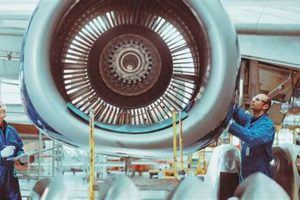
Aircraft maintenance forms a substantial segment of the aerospace sector in Thailand, representing a critical area of employment and contributing significantly to aviation safety and operational efficiency. The increasing volume of air traffic transiting through Thai airspace, coupled with the growth of domestic and international airlines operating within the country, generates a sustained demand for skilled aircraft maintenance technicians, engineers, and support personnel. This area of specialization ensures the airworthiness of aircraft, adhering to stringent regulatory standards mandated by both national and international aviation authorities. For instance, the routine maintenance checks performed on aircraft operated by Thai Airways International and other regional carriers are essential for preventing potential mechanical failures and ensuring passenger safety. A significant portion of the “aerospace jobs in thailand” are directly related to this requirement.
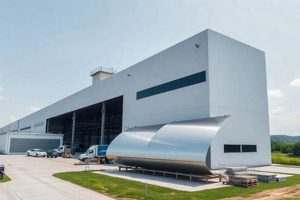
The scope of aircraft maintenance includes a wide range of activities, from routine inspections and component replacements to complex structural repairs and engine overhauls. The diverse nature of these tasks necessitates a highly trained workforce equipped with specialized skills and knowledge. The establishment of maintenance, repair, and overhaul (MRO) facilities in Thailand, such as those operated by major aerospace companies and local aviation firms, has further amplified the demand for qualified maintenance professionals. These facilities serve not only domestic airlines but also international carriers seeking cost-effective maintenance solutions. As an example, the expansion of Don Mueang International Airport has led to the creation of new maintenance positions to support the increased operational tempo.
In conclusion, aircraft maintenance is an integral pillar of the aerospace job market in Thailand. The continuous growth of the aviation sector, coupled with stringent safety regulations, ensures a sustained demand for skilled maintenance personnel. The expansion of MRO facilities and the increasing complexity of aircraft technology will further drive the need for specialized training and expertise in this field. The ongoing development of Thailand’s aviation infrastructure directly correlates with the creation of new and diverse “aerospace jobs in thailand” in aircraft maintenance.
3. Air Traffic Control

Air Traffic Control (ATC) constitutes a vital, highly specialized component of “aerospace jobs in thailand.” It directly impacts aviation safety, airspace efficiency, and overall air transportation system effectiveness. The increasing volume of air traffic within Thailand, driven by tourism, trade, and economic growth, places considerable demand on ATC infrastructure and personnel. Air traffic controllers manage aircraft movements within designated airspaces, ensuring safe separation between aircraft and providing essential information to pilots. Their actions directly prevent mid-air collisions and ground-level incidents, thus making their roles paramount to the safe functioning of the country’s aviation system. As an example, the Bangkok Flight Information Region (FIR), managed by Aeronautical Radio of Thailand (AEROTHAI), requires a skilled and adaptable workforce to handle the complex flow of international and domestic air traffic. This workforce forms a significant segment of “aerospace jobs in thailand.”
Effective ATC relies on a combination of advanced technology, rigorous training, and adherence to standardized procedures. Controllers utilize radar systems, communication networks, and sophisticated software to monitor and manage air traffic flow. Furthermore, they must possess exceptional communication skills, decision-making abilities, and the capacity to remain calm under pressure. The training process for air traffic controllers in Thailand is extensive, involving theoretical instruction, simulations, and on-the-job training under the supervision of experienced professionals. Given the increasing reliance on satellite-based navigation and data communication systems, controllers must continually update their knowledge and skills to adapt to evolving technologies. The introduction of performance-based navigation (PBN) procedures, for instance, requires controllers to manage increasingly complex flight paths and airspace configurations. Such specialized training and the need for continued professional development underpin the high-skill nature of ATC positions within “aerospace jobs in thailand.”
In summary, Air Traffic Control is an indispensable element of the broader aerospace sector in Thailand. Its effectiveness directly influences aviation safety, airspace capacity, and the overall efficiency of the air transportation system. The ongoing expansion of the aviation industry, combined with the increasing complexity of air traffic management technologies, will continue to drive the demand for skilled and highly trained air traffic controllers. Investing in ATC infrastructure, training programs, and technological advancements is crucial for sustaining the growth and competitiveness of Thailand’s aviation sector. The availability of qualified personnel in this area is essential for ensuring the continued safe and efficient operation of “aerospace jobs in thailand,” supporting both domestic and international air travel.
4. Manufacturing Expertise

Manufacturing expertise forms a fundamental pillar supporting the growth and sustainability of “aerospace jobs in thailand.” It encompasses a wide array of skills, processes, and technologies necessary for producing aircraft components, systems, and complete airframes. The availability of skilled manufacturing personnel, coupled with advanced production capabilities, enhances Thailand’s position within the global aerospace supply chain and contributes significantly to the expansion of domestic aviation industries.
- Precision Engineering and Machining
Precision engineering and machining are vital for producing aerospace components with tight tolerances and high reliability. This facet involves the use of computer numerical control (CNC) machines, specialized cutting tools, and advanced manufacturing techniques to create complex parts from various materials, including aluminum alloys, titanium, and composites. For instance, the manufacturing of turbine blades for aircraft engines requires micron-level precision to ensure optimal performance and durability. The demand for skilled machinists, CNC programmers, and quality control inspectors directly translates into “aerospace jobs in thailand.”
- Composite Materials Fabrication
The increasing use of composite materials in aircraft construction necessitates expertise in composite fabrication techniques, such as resin transfer molding (RTM), automated fiber placement (AFP), and hand lay-up. Composite materials offer advantages in terms of weight reduction, strength, and corrosion resistance, leading to improved fuel efficiency and aircraft performance. The production of aircraft wings, fuselages, and control surfaces often involves the use of carbon fiber reinforced polymers (CFRP) and other advanced composites. The need for skilled composite technicians, laminators, and mold makers creates specialized “aerospace jobs in thailand” within the manufacturing sector.
- Assembly and Integration
Aircraft assembly and integration involves the joining of various components and systems to create a functional aircraft. This facet requires expertise in mechanical assembly, electrical wiring, hydraulic systems, and avionics integration. The assembly process demands meticulous attention to detail and adherence to strict quality control standards to ensure the safety and reliability of the aircraft. The assembly of aircraft interiors, including seats, galleys, and entertainment systems, also falls within this category. Aircraft mechanics, avionics technicians, and quality assurance specialists are vital in this area, supporting “aerospace jobs in thailand.”
- Quality Assurance and Testing
Quality assurance and testing are essential for ensuring that aerospace components and systems meet stringent quality requirements and safety standards. This facet involves the use of non-destructive testing (NDT) methods, such as ultrasonic testing, radiographic inspection, and eddy current testing, to detect flaws and defects without damaging the material. Quality control inspectors, NDT technicians, and materials engineers play a crucial role in verifying the integrity and performance of aerospace products, directly contributing to the maintenance of safety standards within “aerospace jobs in thailand.”
In conclusion, manufacturing expertise is a critical enabler of “aerospace jobs in thailand,” driving the growth of domestic aviation industries and enhancing Thailand’s competitiveness in the global aerospace market. Investments in training programs, advanced manufacturing technologies, and quality control systems are essential for fostering a skilled workforce and sustaining the long-term development of this sector.
5. Regulatory Compliance

Regulatory compliance is inextricably linked to “aerospace jobs in thailand,” acting as a foundational requirement for all activities within the aviation sector. The adherence to national and international regulations, standards, and procedures dictates operational parameters, safety protocols, and the overall integrity of the aviation system. The Civil Aviation Authority of Thailand (CAAT) is responsible for overseeing compliance with these regulations, ensuring that all aviation-related organizations and personnel meet the required standards. Therefore, a significant portion of “aerospace jobs in thailand” involves direct or indirect responsibility for ensuring compliance with CAAT regulations, as well as those mandated by international bodies such as the International Civil Aviation Organization (ICAO).
The impact of regulatory compliance extends to various facets of the aviation industry in Thailand. Aircraft maintenance engineers, for example, must possess licenses and certifications demonstrating their competence in adhering to maintenance procedures outlined in approved maintenance schedules. Air traffic controllers are bound by stringent operational procedures and communication protocols designed to maintain safe separation between aircraft. Manufacturing personnel involved in the production of aircraft components must adhere to rigorous quality control standards to ensure that parts meet the specifications stipulated by type certificates and airworthiness directives. Non-compliance can result in severe consequences, ranging from fines and operational restrictions to aircraft groundings and potential legal action. The 2015 ICAO audit of Thailand’s aviation safety oversight system serves as an example of the potential ramifications of inadequate regulatory compliance. The audit identified significant safety concerns, leading to restrictions on Thai-registered airlines operating internationally.
In summary, regulatory compliance is not merely a procedural formality but a critical component of “aerospace jobs in thailand.” It directly influences safety, operational efficiency, and the overall credibility of the Thai aviation sector. The need for skilled professionals who possess a thorough understanding of aviation regulations and the ability to implement them effectively is paramount. Continuous training, robust internal audit processes, and a proactive approach to addressing compliance issues are essential for ensuring the sustained growth and safety of the Thai aviation industry. The ongoing emphasis on regulatory alignment with international best practices is key to attracting foreign investment, fostering innovation, and maintaining a competitive edge in the global aerospace market.
6. Skills Shortage
A discernible skills shortage constitutes a significant challenge within the landscape of “aerospace jobs in thailand.” This deficiency directly impacts the growth potential and operational efficiency of the aviation sector. The shortage spans multiple disciplines, encompassing aircraft maintenance technicians, aeronautical engineers, air traffic controllers, and specialized manufacturing personnel. The causes of this shortage are multifaceted, stemming from a combination of factors including an aging workforce, a limited supply of qualified graduates, and the emigration of skilled personnel to countries offering more competitive compensation packages or career advancement opportunities.
The impact of this skills gap is far-reaching. Airlines and maintenance organizations encounter difficulties in recruiting and retaining qualified staff, potentially leading to delays in aircraft maintenance schedules and increased operational costs. The expansion of aircraft manufacturing capabilities within Thailand is hindered by the limited availability of skilled technicians proficient in advanced manufacturing techniques. Air traffic control operations may be strained by inadequate staffing levels, potentially compromising airspace safety and efficiency. For example, reports from aviation industry associations indicate increasing difficulty in filling positions for licensed aircraft maintenance engineers, particularly those with expertise in servicing newer generation aircraft. This shortfall necessitates increased reliance on foreign contractors, adding to operational expenses and potentially reducing the transfer of technical knowledge to local personnel. A survey conducted by a Thai university revealed that a substantial percentage of engineering graduates lack the practical skills and industry-specific knowledge required by aerospace employers, contributing to the overall skills gap.
Addressing the skills shortage is paramount for sustaining the growth and competitiveness of “aerospace jobs in thailand.” Strategic interventions are required, including increased investment in vocational training programs, closer collaboration between educational institutions and industry stakeholders, and the implementation of policies designed to attract and retain skilled personnel. Incentivizing engineering graduates to pursue careers in aviation, promoting apprenticeship programs with established aerospace companies, and offering competitive compensation packages are essential steps towards mitigating the skills gap. Furthermore, fostering a culture of continuous professional development and providing opportunities for specialized training can enhance the skills and capabilities of the existing workforce. Failure to address this skills shortage effectively will impede the development of the Thai aerospace sector, limiting its potential for economic growth and technological advancement.
Frequently Asked Questions Regarding Aerospace Employment in Thailand
This section addresses common inquiries concerning employment prospects, qualifications, and sector-specific details within the Thai aerospace industry. The responses aim to provide clear and concise information for prospective job seekers and industry stakeholders.
Question 1: What are the primary sectors within the Thai aerospace industry offering career opportunities?
The principal sectors include aircraft maintenance, repair, and overhaul (MRO), aviation engineering and design, air traffic control, manufacturing of aircraft components, and airline operations. Each sector presents distinct skill requirements and career trajectories.
Question 2: What educational qualifications are typically required for aerospace positions in Thailand?
A bachelor’s or master’s degree in aerospace engineering, mechanical engineering, electrical engineering, or a related scientific discipline is generally expected. Specific positions, such as aircraft maintenance engineer, necessitate specialized certifications and licenses (e.g., EASA or FAA).
Question 3: Are there specific skills that are highly valued by aerospace employers in Thailand?
Proficiency in computer-aided design (CAD) software, simulation tools, and relevant engineering software is highly regarded. Hands-on experience through internships or projects is essential. English language fluency is often a prerequisite, particularly in multinational organizations.
Question 4: What are the main challenges facing the Thai aerospace industry in terms of workforce development?
A significant skills shortage across various disciplines, including aircraft maintenance, engineering, and air traffic control, presents a major challenge. This shortage is exacerbated by an aging workforce, a limited supply of qualified graduates, and competition from other sectors.
Question 5: How does the regulatory environment impact aerospace employment in Thailand?
Adherence to national and international aviation regulations is paramount. Various “aerospace jobs in thailand” have to take the role of ensuring full compliance such as qualified engineers, maintenance and management personnel. All personnel must meet the standards set by the Civil Aviation Authority of Thailand (CAAT) and international organizations like ICAO. Regulatory compliance dictates operational parameters, safety protocols, and training requirements.
Question 6: What steps can be taken to improve employment prospects in the Thai aerospace sector?
Obtaining relevant qualifications and industry certifications, developing technical proficiency, cultivating language skills, networking with industry professionals, and researching key employers are crucial steps. Internships provide valuable practical experience.
In summary, securing a position within the Thai aerospace sector requires a combination of relevant education, specialized skills, and adherence to regulatory standards. Addressing the existing skills shortage through targeted training initiatives is essential for sustaining the industry’s growth.
The subsequent sections will explore the impact of governmental policies on the aerospace job market.
Conclusion
This article has explored the landscape of aerospace jobs in thailand, revealing a sector of growing importance and complexity. Key areas such as engineering design, aircraft maintenance, air traffic control, and manufacturing demand skilled personnel and adherence to stringent regulatory standards. The examination of skills shortages underscores the critical need for targeted training and workforce development initiatives.
The continued expansion and sophistication of Thailand’s aerospace industry depend on addressing these challenges. Sustained investment in education, infrastructure, and regulatory compliance is essential to ensure the long-term growth and competitiveness of “aerospace jobs in thailand”. The future success of this sector hinges on a commitment to excellence and innovation, securing Thailand’s position as a key player in the global aviation arena.