Individuals in this profession are responsible for the meticulous evaluation of aircraft and spacecraft components and systems. This assessment ensures that these complex machines function optimally and meet stringent safety standards. For example, they might conduct rigorous stress tests on a newly designed wing component to identify potential weaknesses before it is integrated into an aircraft.
The role plays a crucial part in averting potential disasters and enhancing the reliability of air and space travel. The evolution of this specialization has mirrored the advancement of flight itself, growing in complexity and sophistication as technology has advanced. This field directly contributes to passenger safety, mission success, and the ongoing progress of aeronautical and astronautical engineering.
The following discussion will examine the required skills, educational background, and career paths typically associated with this engineering discipline, as well as a projection of future industry trends. It will also explore the various testing methodologies employed, and the regulatory frameworks which govern the work that is carried out.
Guidance from Aerospace Test Specialists
The following provides insights, derived from the expertise of professionals in this field, for individuals seeking to excel in the evaluation and validation of aerospace systems. Each point emphasizes the importance of precision, diligence, and a thorough understanding of engineering principles.
Tip 1: Master Data Acquisition Systems: Proficiency in using and interpreting data from complex acquisition systems is crucial. Regularly practice with various software and hardware configurations to ensure accurate data capture during testing phases.
Tip 2: Prioritize Detailed Test Planning: Comprehensive test plans are paramount. Clearly define objectives, methodologies, acceptance criteria, and potential failure modes before initiating any test sequence. A well-structured plan minimizes errors and ensures effective validation.
Tip 3: Emphasize Documentation and Traceability: Maintain meticulous records of all test procedures, results, and deviations. Ensuring complete traceability from initial requirements to final validation reports is essential for regulatory compliance and problem resolution.
Tip 4: Understand Regulatory Compliance: Familiarity with industry regulations (e.g., FAA, EASA) and standards (e.g., MIL-STD) is indispensable. Staying updated on changes and interpretations is crucial for ensuring the safety and airworthiness of aerospace products.
Tip 5: Develop Strong Analytical Skills: Interpret test data to identify trends, anomalies, and potential areas of concern. Employ statistical analysis and engineering judgment to draw meaningful conclusions and make informed recommendations for design improvements.
Tip 6: Foster Collaboration and Communication: Effective collaboration with design engineers, manufacturing teams, and regulatory authorities is essential. Clearly communicate test results, findings, and recommendations to facilitate timely resolution of issues and ensure project success.
Tip 7: Continuously Seek Professional Development: The field is dynamic and evolving. Engage in continuous learning through attending workshops, conferences, and pursuing advanced certifications to stay abreast of new technologies, testing methodologies, and industry best practices.
Adhering to these recommendations will significantly enhance the individual’s ability to contribute to the safety and reliability of aerospace systems and components, contributing to improved performance and operational outcomes.
The subsequent section will delve into case studies where rigorous testing has resulted in significant improvements in aerospace technology.
1. Validation Procedures

The rigor inherent in aerospace engineering mandates exhaustive validation procedures. These procedures serve as a cornerstone of the work conducted by individuals in that area, ensuring that all aircraft and spacecraft systems meet predefined performance and safety criteria. The connection is causal: proper procedures rigorously executed result in certified, safe operation. Conversely, inadequate or omitted procedures can lead to catastrophic failures, underscoring their critical importance.
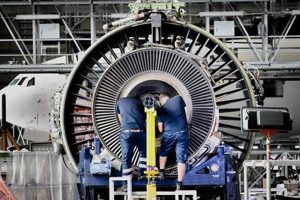
Validation encompasses a spectrum of tests, from component-level examinations to full-system simulations, each designed to verify specific functional aspects. For example, before a new engine design is approved, it undergoes extensive wind tunnel and flight testing to validate its thrust capabilities and fuel efficiency across varied operational conditions. An example can be a wind tunnel test to ensure a plane wing can lift up 200 tons without damage during a storm. The professionals are instrumental in designing and executing these validation plans, as well as analyzing the resulting data to identify any discrepancies or areas requiring improvement. The use of Finite Element Analysis and Computational Fluid Dynamics help to run multiple test without producing actual physical prototypes.
In summary, validation procedures are not merely a peripheral aspect of aerospace engineering, but rather an indispensable element central to its success. The expertise in overseeing and interpreting these procedures is vital to ensure passenger safety, mission accomplishment, and the continued advancement of aerospace technology.
2. Data Analysis Acumen

Data analysis acumen represents a core competency for those specialized as experts. These engineers are tasked with extracting actionable insights from the vast quantities of data generated during testing processes. This analytical skill forms the basis for informed decision-making related to design validation, performance optimization, and failure prediction. The link is direct: skillful interpretation of test data leads to improved designs and safer aircraft. Conversely, a deficiency in this area can result in overlooking critical anomalies, potentially leading to in-flight failures or operational inefficiencies.
Real-world examples abound. During fatigue testing of a new aircraft wing, strain gauges generate massive datasets. An aerospace assessment specialist must be able to analyze these data to identify stress concentrations and predict the wing’s lifespan under various loading conditions. Similarly, when evaluating engine performance, data regarding temperature, pressure, and fuel consumption are collected. The competence to discern subtle trends and anomalies within this data is essential for optimizing engine efficiency and preventing catastrophic mechanical issues. Modern assessment specialists should be familiar with digital tools to ensure results are correct.
In summary, data analysis acumen is not merely a desirable attribute, but rather an indispensable tool. It directly affects an engineer’s ability to contribute to the safety, reliability, and overall performance of aerospace vehicles. Developing and refining these analytical skills is crucial for those aspiring to excel in the domain. Future progress in aerospace engineering will depend on these expert analytical capabilities.
3. Safety Regulation Compliance
Adherence to stringent safety regulations is a non-negotiable aspect of aerospace engineering, and compliance forms a critical pillar of the responsibility of professionals who perform these assessments. These individuals are not only tasked with evaluating the functionality and performance of systems but also with ensuring that every aspect of design, manufacture, and operation aligns with established safety standards. The relationship is both legal and ethical: failure to comply with regulations can result in significant legal repercussions and, more importantly, can compromise the safety of passengers, crew, and the general public. These professionals must be able to prove safety compliance to the legal entities like FAA or EASA.
Practical examples highlight the significance of this compliance. During the development of a new aircraft, testing specialists meticulously verify that the aircraft meets all requirements outlined in regulations like those prescribed by the Federal Aviation Administration (FAA) in the United States or the European Union Aviation Safety Agency (EASA). This includes conducting tests to validate the aircraft’s structural integrity, engine performance, avionics systems, and emergency procedures. For instance, a compliance test might involve demonstrating the aircraft’s ability to safely evacuate all passengers within a specified time frame under simulated emergency conditions. Any deviation from these regulations must be identified and rectified before the aircraft can be certified for commercial operation. Assessment specialists use computer aided tools and simulation to verify compliance.
In conclusion, safety regulation compliance is not simply a procedural requirement, but an intrinsic part of the assessment process. Without rigorous testing and validation against established safety standards, the risks associated with air travel would be unacceptably high. Aerospace assessment personnel stand as guardians of safety, diligently ensuring that every flight is as safe as possible. The competence in understanding and upholding these regulations is of paramount importance.
4. System Reliability Focus
The overarching goal in aerospace engineering is ensuring system reliability, and that objective is directly served by individuals who perform assessments. These experts are instrumental in verifying that all components and integrated systems function consistently and predictably throughout their operational lifespan. The correlation is straightforward: a dedicated focus on system reliability necessitates rigorous testing and validation, which is the primary domain of expertise. Failure to prioritize this element can result in unpredictable failures, compromising safety and mission objectives. This is especially important when looking at unmanned aerial vehicles with many interlinked system.
Practical examples of the vital role played by an aerospace assessor in relation to system reliability are numerous. Consider the development of a new flight control system. Assessment specialists are responsible for conducting extensive simulations and hardware-in-the-loop testing to identify potential failure modes and assess the system’s resilience to environmental factors such as extreme temperatures, vibration, and electromagnetic interference. Similarly, in the context of satellite design, reliability assessment encompasses evaluating the performance of critical components such as solar panels, communication transponders, and propulsion systems over extended periods in the harsh environment of space. The data gathered from these evaluations informs design modifications and material selection to optimize system reliability. One example is assessing engine performance in cold weather to guarantee that it would perform as planned.
In summary, a robust system reliability focus is not an abstract concept, but a tangible attribute achieved through meticulous testing and validation processes. The competence and diligence of the personnel who perform testing are fundamental to the success of any aerospace endeavor. By rigorously assessing system performance and identifying potential weaknesses, they contribute directly to the safety, efficiency, and longevity of aerospace assets. It is one thing to create an air system, but another to ensure the systems are working as planned for years to come. Future advancements in aerospace will depend on assessment personnels continuing ability to improve and validate system reliability through innovative test methodologies and analytical techniques.
5. Problem-Solving Aptitude
Problem-solving aptitude is a critical attribute for those specializing in aircraft testing. These engineers frequently encounter unforeseen challenges during the evaluation of complex systems, demanding swift and effective solutions. The relationship is causative: identifying issues necessitates rigorous analysis, and resolving them relies on creative and analytical problem-solving skills. Consider a scenario where an anomaly arises during a stress test of a new composite wing. Instead of simply reporting the failure, a problem-solving aptitude compels the professional to investigate the root cause, potentially uncovering a flaw in the manufacturing process or a design oversight. Without this aptitude, such issues might remain undetected, leading to potentially catastrophic failures in operational settings.
The practical significance of this aptitude extends beyond immediate issue resolution. Experts frequently employ problem-solving skills to optimize testing methodologies, improve data analysis techniques, and enhance the overall efficiency of the testing process. For example, they might develop a novel algorithm for processing sensor data, enabling earlier detection of subtle performance degradations, or devise an innovative fixture for applying loads to a component, providing more accurate and representative test results. Those scenarios result in saving time, reducing costs and improving aerospace system safetiness.
In summary, problem-solving aptitude is not merely a desirable trait but a fundamental requirement. It directly influences an engineer’s ability to ensure the safety, reliability, and performance of aircraft and spacecraft. Developing and refining these skills is crucial for those aspiring to excel in aerospace evaluation and validation, playing a crucial role in advancing the safety and efficiency of air and space travel. Furthermore, problem-solving capabilities will be more valuable when the world is progressing to the era of more complex and advance system designs.
Frequently Asked Questions Regarding Aerospace Testing Roles
The following addresses common inquiries concerning the profession dedicated to the rigorous evaluation of aircraft and spacecraft systems. The answers aim to clarify expectations, required qualifications, and career progression opportunities.
Question 1: What specific educational background is most beneficial for entering the field?
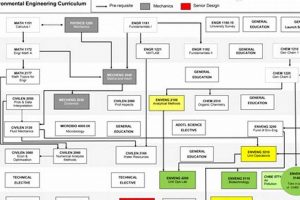
A bachelor’s or master’s degree in aerospace engineering, mechanical engineering, or a closely related field is generally required. Coursework should include subjects such as aerodynamics, structural analysis, control systems, and materials science. Specialized coursework or certifications in testing methodologies are advantageous.
Question 2: What are the most crucial skills for success?
Essential skills encompass a strong understanding of engineering principles, proficiency in data analysis and interpretation, familiarity with testing equipment and procedures, and meticulous attention to detail. Effective communication and collaboration skills are also necessary for working within multidisciplinary teams.
Question 3: What type of tasks are typically performed on a daily basis?
Daily tasks may include developing test plans, conducting tests on components or systems, analyzing test data, generating reports, identifying anomalies, and recommending design improvements. Interaction with design engineers and regulatory authorities is also commonplace.
Question 4: What are the primary industry regulations and standards?
Adherence to industry regulations and standards is critical. Key examples include regulations set forth by the Federal Aviation Administration (FAA) and the European Union Aviation Safety Agency (EASA), as well as standards such as MIL-STD specifications. Familiarity with these frameworks is essential for ensuring product safety and compliance.
Question 5: How can career advancement be achieved?
Career advancement can be pursued through gaining experience, pursuing advanced certifications, and demonstrating expertise in specific areas of aerospace systems. Taking on leadership roles within testing teams and contributing to innovative testing methodologies can also facilitate career progression.
Question 6: What are the common misconceptions about this career path?
A common misconception is that this profession primarily involves repetitive, routine tasks. In reality, the role often requires creative problem-solving, adaptability, and the ability to respond effectively to unexpected challenges during testing. The job needs creative problem solving and adaptability skill sets.
These answers provide a foundational understanding of the demands and rewards of a career devoted to the scrutiny and validation of aerospace innovations. These are just a few questions to ask about this profession.
The following section will delve into real-world examples, presenting illustrative case studies where rigorous evaluation has led to improved aerospace outcomes.
Conclusion
This exploration has illuminated the pivotal role played by individuals specializing in the evaluation of aerospace systems. The discussion has traversed the essential skills, demanding regulations, and vital contributions that define this profession. It is evident that the meticulous scrutiny conducted by competent professionals directly underpins the safety, reliability, and advancement of flight. The ability to ensure air systems performance is also crucial.
As aerospace technology continues to evolve at an accelerated pace, the importance of rigorous assessment will only intensify. The commitment to excellence in this field remains essential for fostering innovation and safeguarding the future of air and space exploration. Therefore, continued investment in the education, training, and development of these vital experts is paramount.