Positions within the aerospace sector that demand a focus on ensuring flight safety and regulatory compliance can be described as central to the industry’s mission. These roles encompass engineering, maintenance, inspection, and quality control functions, all geared towards upholding the operational integrity of aircraft. For example, an aircraft maintenance engineer specializing in structural repairs contributes directly to maintaining the safe flying condition of an aircraft, ensuring it meets stringent airworthiness standards.
The significance of these positions lies in their contribution to passenger safety, operational efficiency, and regulatory adherence. Throughout aviation history, meticulous attention to detail and rigorous adherence to standards has been crucial in minimizing accidents and maximizing the lifespan of aircraft. These roles provide the foundation for the reliability and dependability expected within the aerospace industry, and are critical for economic stability.
This article will examine the various career paths within this essential sector, focusing on the skills, education, and responsibilities associated with these roles. Furthermore, it will explore the evolving demands of the industry and the future outlook for professionals dedicated to maintaining the highest standards of safety and performance.
Essential Guidance for Pursuing Roles Focused on Flight Safety
The following recommendations aim to provide valuable insights for individuals seeking to build or advance their careers in the aerospace sector, with a specific focus on positions that uphold stringent safety standards.
Tip 1: Prioritize Technical Education: A strong foundation in aerospace engineering, aviation maintenance, or a related technical field is fundamental. Formal education provides the necessary theoretical knowledge and practical skills required for roles that demand a deep understanding of aircraft systems and maintenance procedures. For instance, a degree in aerospace engineering equips professionals with the analytical capabilities to assess structural integrity and performance.
Tip 2: Obtain Relevant Certifications and Licenses: Specific roles may require certifications from regulatory bodies such as the FAA or EASA. Acquiring these credentials demonstrates competency and adherence to industry standards. An Airframe and Powerplant (A&P) license, for example, is essential for aircraft maintenance technicians.
Tip 3: Develop a Thorough Understanding of Aviation Regulations: Familiarity with aviation regulations, including airworthiness directives and maintenance manuals, is crucial. Compliance ensures that all procedures align with established safety protocols. For instance, knowledge of FAA Part 25 (Airworthiness Standards: Transport Category Airplanes) is vital for engineers involved in aircraft design and certification.
Tip 4: Seek Hands-On Experience: Internships, apprenticeships, and entry-level positions provide practical experience that complements theoretical knowledge. Working alongside experienced professionals allows for the development of critical problem-solving skills. Involvement in aircraft maintenance projects, for example, offers invaluable exposure to real-world challenges.
Tip 5: Emphasize Attention to Detail and Precision: Accuracy and meticulousness are paramount in tasks that impact flight safety. Errors can have severe consequences, therefore, a commitment to precision is essential. Consistently double-checking work and adhering to established procedures are vital.
Tip 6: Stay Updated with Technological Advancements: The aerospace industry is constantly evolving, with new technologies and methodologies emerging regularly. Continuous learning and professional development are necessary to remain competent and effective. Keeping abreast of advancements in areas such as composite materials, avionics, and digital maintenance systems is crucial.
Tip 7: Cultivate Strong Communication and Teamwork Skills: These roles often require collaboration with engineers, technicians, and other stakeholders. Effective communication and teamwork are essential for ensuring that information is shared accurately and that tasks are completed efficiently. Clear communication during maintenance procedures, for example, is vital for preventing misunderstandings and errors.
Adhering to these guidelines will significantly enhance an individual’s prospects and competence within this vital segment of the aerospace workforce. A dedication to safety, continuous improvement, and a commitment to upholding industry standards are the hallmarks of success.
The subsequent sections will delve into the specific skills and qualifications necessary for various specialized occupations, further emphasizing the importance of these attributes.
1. Stringent Regulatory Compliance

Stringent regulatory compliance forms the bedrock upon which roles focused on maintaining airworthiness within the aerospace sector are built. The direct correlation between adherence to established regulations and the ability to perform tasks that ensure aircraft meet safety standards cannot be overstated. Failure to comply with regulations directly compromises aircraft safety, potentially leading to catastrophic consequences. For instance, maintenance personnel neglecting to follow an Airworthiness Directive (AD) mandating a specific inspection could result in undetected structural flaws, jeopardizing flight integrity.
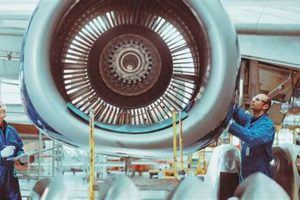
The importance of stringent regulatory compliance is evident in every facet of these positions. Engineers designing aircraft components must adhere to design specifications and safety standards stipulated by regulatory bodies. Maintenance technicians must follow approved maintenance manuals and procedures to ensure that repairs are conducted correctly. Inspectors must verify that all maintenance activities meet the prescribed standards. A practical example is the inspection of aircraft engines. Mechanics must ensure adherence to strict guidelines set by the engine manufacturer and aviation authorities. Any deviation from these guidelines could compromise engine performance and reliability.
Understanding the relationship between regulatory compliance and aerospace positions centered around flight safety is crucial for ensuring operational integrity. Challenges arise from the complexity of regulations, the need for continuous training, and the ever-evolving nature of aviation technology. However, a commitment to upholding these standards is not merely a legal obligation, but a fundamental ethical imperative for professionals dedicated to maintaining airworthiness and safeguarding the lives of passengers and crew.
2. Meticulous Maintenance Procedures
Meticulous maintenance procedures are inextricably linked to roles that ensure aircraft airworthiness. These procedures represent the tangible application of safety standards and engineering principles designed to prevent failures and maintain operational integrity. The performance of these procedures directly impacts the safety and reliability of flight operations. An example would be the detailed process involved in replacing a turbine blade in a jet engine. Mechanics must adhere to specific torque specifications, use calibrated tools, and thoroughly inspect the blade’s seating. Deviations from this protocol could result in engine vibration, decreased performance, or even catastrophic failure during flight.
The application of meticulous maintenance impacts various segments of the aerospace workforce. Maintenance technicians, responsible for the hands-on execution of maintenance tasks, are at the forefront. Quality assurance inspectors provide an oversight function, verifying that maintenance has been performed in accordance with approved procedures. Engineers develop the maintenance schedules and procedures, ensuring that they are comprehensive and address potential failure points. The use of advanced technologies and diagnostic tools further supports the meticulous nature of the work. For instance, non-destructive testing techniques, such as ultrasonic and radiographic inspections, allow technicians to detect internal cracks or corrosion without disassembling the aircraft.
In conclusion, the connection between meticulous maintenance and ensuring flight safety is clear: Airworthy aerospace jobs depend on the rigid application of prescribed procedures. Challenges exist in maintaining consistent standards across diverse operational environments, adapting to new aircraft technologies, and ensuring adequate training for maintenance personnel. However, upholding the principles of meticulous maintenance remains a non-negotiable requirement for those dedicated to safeguarding the airworthiness of aircraft, supporting the industry’s commitment to passenger and crew safety. Continuous improvement in maintenance techniques, coupled with rigorous training, will continue to reduce risk and improve the operational reliability of air transport systems.
3. Comprehensive Inspection Protocols

Comprehensive inspection protocols form an integral component of the overall framework designed to ensure aircraft are maintained in an airworthy condition. The systematic examination of aircraft structures, systems, and components is essential for detecting potential defects or discrepancies that could compromise flight safety. These protocols provide a standardized approach, ensuring thoroughness and consistency across different aircraft types and operational environments.
- Non-Destructive Testing (NDT)
NDT methods, such as ultrasonic testing, radiographic inspection, and eddy current testing, enable the detection of internal flaws that are not visible to the naked eye. For instance, ultrasonic testing can reveal subsurface cracks in wing spars, while radiographic inspection can identify corrosion within fuselage panels. Regular NDT inspections are critical for ensuring the structural integrity of aircraft, preventing catastrophic failures. Airworthy aerospace jobs depend on the performance and analysis of these tests.
- Visual Inspection
Visual inspections involve a detailed examination of aircraft surfaces, components, and systems for signs of damage, wear, or corrosion. This includes checking for cracks, dents, leaks, and other visible defects. While seemingly basic, visual inspections are a crucial first line of defense in identifying potential issues. For example, during a walk-around inspection, a pilot may notice a fuel leak around an engine cowling, prompting further investigation by maintenance personnel. Such observations contribute directly to ensuring airworthiness.
- Functional Testing
Functional testing involves verifying the operational performance of aircraft systems and components. This includes testing flight controls, avionics, engines, and other critical systems to ensure they function as intended. For example, flight control systems are tested to verify proper movement and responsiveness, while engine performance is monitored to ensure it meets specified parameters. Functional testing ensures that aircraft systems are capable of performing their intended functions reliably.
- Record Keeping and Documentation
Accurate and complete record keeping is essential for tracking inspection results, maintenance activities, and component replacements. Documentation provides a historical record of an aircraft’s maintenance history, enabling maintenance personnel to identify trends and potential issues. For example, a detailed logbook entry documenting a recurring hydraulic leak can alert technicians to a potential underlying problem, preventing future failures. Detailed records are essential for establishing airworthiness through historical performance of the airplane.
In summary, comprehensive inspection protocols play a vital role in maintaining the airworthiness of aircraft. These protocols, encompassing NDT, visual inspections, functional testing, and accurate record keeping, ensure that potential issues are detected and addressed promptly, preventing accidents and ensuring the safety of flight operations. These methods are central to maintaining the high standards within airworthy aerospace jobs, supporting the safety of air travel.
4. Continuous Safety Improvement

The principle of continuous safety improvement is inextricably linked to the responsibilities inherent in positions focused on maintaining airworthiness within the aerospace sector. A proactive approach to identifying potential hazards, analyzing risks, and implementing mitigation strategies is vital for preventing accidents and enhancing operational reliability. This concept transcends simple adherence to regulations, fostering a culture of ongoing evaluation and refinement of safety practices. Continuous safety improvement, in the context of these specialized aerospace roles, is not a static objective, but an evolving process.
The practical application of continuous safety improvement takes various forms within airworthy aerospace jobs. For instance, engineers may analyze accident data to identify design flaws that could contribute to future incidents, leading to modifications in aircraft design or maintenance procedures. Maintenance technicians may implement improved inspection techniques based on field experience and feedback from pilots, enhancing their ability to detect potential problems early. Flight operations personnel may refine standard operating procedures based on data collected from flight data recorders, optimizing crew performance and reducing the likelihood of human error. A prime example is the adoption of Safety Management Systems (SMS) by airlines and maintenance organizations, a structured approach that encompasses hazard identification, risk assessment, and the implementation of safety controls, leading to decreased incident rates.
In conclusion, the successful integration of continuous safety improvement into airworthy aerospace jobs necessitates a commitment from all stakeholders, from senior management to frontline personnel. While challenges exist in fostering a culture of open communication, providing adequate resources for safety initiatives, and adapting to emerging technologies, the benefits are undeniable. By embracing continuous safety improvement, the aerospace industry can enhance the safety and reliability of air travel, safeguarding the lives of passengers and crew, and strengthening public confidence in the aviation system. This focus remains paramount in the roles that ensure the safety of flight.
5. Advanced Technical Expertise

Advanced technical expertise serves as the cornerstone for roles focused on maintaining airworthiness within the aerospace sector. This deep understanding of complex systems and technologies directly impacts the ability to accurately diagnose issues, implement effective repairs, and ensure aircraft meet stringent safety standards. The lack of such expertise compromises the entire process, potentially leading to undetected defects, improper maintenance procedures, and ultimately, catastrophic failures. For example, a structural engineer without a thorough understanding of composite materials may fail to identify delamination or other forms of damage, resulting in structural weakness and increased risk of in-flight failure.
The practical application of advanced technical skills is evident across various aerospace disciplines. Avionics technicians require in-depth knowledge of digital systems, navigation equipment, and communication technologies to troubleshoot and repair complex electronic components. Propulsion engineers must possess a comprehensive understanding of thermodynamics, fluid mechanics, and materials science to maintain the performance and reliability of aircraft engines. Maintenance personnel utilize advanced diagnostic tools and techniques, such as non-destructive testing, to detect hidden flaws and ensure structural integrity. These experts use their skills to prevent accidents. Airworthy aerospace jobs make safety a priority.
In conclusion, advanced technical expertise is not merely a desirable attribute, but a fundamental prerequisite for professionals engaged in maintaining airworthiness. The continuous evolution of aerospace technology necessitates ongoing training and development to stay abreast of emerging technologies and best practices. While challenges exist in attracting and retaining skilled personnel, the investment in advanced technical expertise is crucial for ensuring the continued safety and reliability of air travel, aligning directly with the industry’s unwavering commitment to passenger and crew well-being.
Frequently Asked Questions
The following section addresses common inquiries regarding positions focused on ensuring the operational safety and regulatory compliance of aircraft within the aerospace sector.
Question 1: What educational qualifications are typically required for roles centered on maintaining airworthiness?
Educational requirements vary based on the specific position. However, a bachelor’s degree in aerospace engineering, aviation maintenance, or a related technical field is often preferred. Certain roles may also require specific certifications or licenses, such as an FAA Airframe and Powerplant (A&P) license for aircraft maintenance technicians.
Question 2: What are the key skills necessary for success in roles related to aircraft airworthiness?
Essential skills include a strong understanding of aircraft systems, meticulous attention to detail, proficiency in troubleshooting and diagnostics, familiarity with aviation regulations, and the ability to work effectively in a team environment. Furthermore, continuous learning and adaptation to emerging technologies are crucial.
Question 3: What are some examples of career paths in this sector?
Career paths encompass a wide range of specializations, including aircraft maintenance technician, aerospace engineer (specializing in structures, systems, or avionics), quality assurance inspector, and aviation safety inspector. Opportunities also exist in areas such as non-destructive testing and regulatory compliance.
Question 4: How does regulatory compliance impact these specialized aerospace positions?
Regulatory compliance is fundamental to all positions focused on maintaining airworthiness. Adherence to regulations, such as those established by the FAA or EASA, is essential for ensuring that aircraft meet safety standards and operate within legal parameters. Professionals in these roles must possess a thorough understanding of applicable regulations and ensure that all activities comply with established guidelines.
Question 5: What are the challenges associated with these positions?
Challenges may include working in demanding environments, adhering to strict deadlines, maintaining a high level of accuracy under pressure, and adapting to rapidly evolving technologies and regulations. Additionally, the responsibility for ensuring passenger safety can be a significant source of stress.
Question 6: How is continuous safety improvement integrated into these positions?
Continuous safety improvement is a core principle. Professionals are expected to actively participate in identifying potential hazards, analyzing risks, and implementing mitigation strategies. This includes contributing to incident investigations, suggesting improvements to maintenance procedures, and staying informed about emerging safety technologies and best practices.
In summary, positions focused on ensuring airworthiness within the aerospace sector demand a high degree of technical competence, attention to detail, and a commitment to upholding the highest standards of safety and regulatory compliance. These roles are critical for maintaining the integrity of the aviation system and safeguarding the lives of passengers and crew.
The following section will explore future trends and challenges within the field of aircraft maintenance and airworthiness.
Conclusion
The preceding examination of airworthy aerospace jobs reveals a sector characterized by unwavering dedication to safety, regulatory compliance, and technical proficiency. These roles, encompassing engineering, maintenance, inspection, and quality assurance, are paramount to upholding the operational integrity of aircraft and safeguarding the lives of passengers and crew. From meticulous maintenance procedures to stringent adherence to regulations, the professionals in these positions are the guardians of aviation safety.
As the aerospace industry continues to evolve, the demand for skilled individuals dedicated to maintaining airworthiness will only intensify. The future requires a continued investment in education, training, and technological advancement to meet emerging challenges and uphold the highest standards of safety. Airworthy aerospace jobs are not merely occupations, but critical responsibilities upon which the safety and reliability of air travel depend. A continued commitment to excellence in these fields is essential for securing the future of aviation.