The central question of whether a career path in the design, development, and testing of aircraft and spacecraft offers substantial advantages warrants careful consideration. This evaluation involves examining the field’s potential for intellectual stimulation, financial reward, and contribution to technological advancement. The perceived value of this field is subjective and depends on individual priorities and circumstances.
A key attribute lies in its capacity to drive innovation and exploration. Historically, advancements in aviation and space travel have spurred progress in materials science, propulsion systems, and computational modeling. Professionals in this domain are frequently at the forefront of cutting-edge research, pushing the boundaries of what is technically feasible. Furthermore, the demand for qualified specialists often translates into competitive compensation packages and diverse career opportunities across government agencies, private companies, and academic institutions.
To further understand the potential upsides, a more in-depth look at career prospects, required skillsets, and potential challenges is beneficial. Examining these factors provides a clearer picture for individuals considering a future within this specialized area of engineering.
Guidance for Evaluating a Career in Aerospace Engineering
The decision to pursue a path in aerospace engineering necessitates careful deliberation. Several factors should be assessed to determine if this field aligns with individual aspirations and capabilities. A pragmatic approach to evaluating the potential benefits and challenges can inform a more confident decision.
Tip 1: Thoroughly Investigate Career Paths: Understand the breadth of roles available within aerospace engineering. Options range from design and manufacturing to research and development, each with specific responsibilities and skill requirements. Research potential career trajectories within different sectors, such as commercial aviation, space exploration, or defense.
Tip 2: Evaluate Academic Requirements Rigorously: Recognize that aerospace engineering programs are demanding and require a strong foundation in mathematics, physics, and computer science. Assess one’s aptitude and willingness to commit to the rigorous coursework and potentially advanced degrees required for specialization.
Tip 3: Consider the Job Market and Earning Potential: Research current employment trends and salary expectations for aerospace engineers. Understand the geographic distribution of opportunities and the potential for career growth within various industries. Consider the impact of economic fluctuations on industry demand.
Tip 4: Explore Internship and Research Opportunities: Gain practical experience through internships or research projects. These experiences provide valuable insights into the day-to-day realities of the profession and enhance competitiveness in the job market. Seek opportunities that align with specific areas of interest within aerospace engineering.
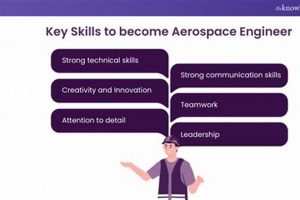
Tip 5: Develop Strong Problem-Solving Skills: Recognize the importance of analytical and problem-solving abilities in aerospace engineering. Cultivate these skills through academic coursework, independent projects, and participation in engineering competitions. Seek opportunities to apply theoretical knowledge to practical challenges.
Tip 6: Assess Personal Interests and Aptitudes: Determine whether the inherent challenges and subject matter of aerospace engineering resonate with personal interests. A genuine passion for the field is crucial for sustained motivation and professional success. Self-assessment can reveal compatibility with the demands of the profession.
The overall value of pursuing a career in aerospace engineering is closely tied to understanding these practical considerations. Careful evaluation can lead to a more fulfilling and successful outcome.
With these tips in mind, proceeding to a conclusion regarding the intrinsic advantages of this field becomes more meaningful and relevant to individual circumstances.
1. High earning potential

The prospect of high earning potential significantly influences the perception of aerospace engineering as a desirable career path. This financial aspect is not merely an isolated benefit; it is intertwined with the educational investment, skill requirements, and societal value attributed to the profession.
- Demand for Specialized Skills
Aerospace engineering necessitates a highly specialized skillset, including expertise in aerodynamics, propulsion systems, materials science, and structural analysis. The scarcity of individuals possessing these capabilities drives up demand, leading to higher salaries as companies compete for qualified professionals. For example, aerospace engineers involved in designing advanced aircraft or spacecraft components command premium compensation due to the complexity and criticality of their roles.
- Industry Sector and Role Influence
Earning potential within aerospace engineering varies considerably based on the specific industry sector and the engineer’s role. Individuals working in defense and government sectors often earn different salaries compared to those in commercial aviation or space exploration. Similarly, a design engineer typically commands a different salary than a project manager or a researcher. Location also contributes to this difference, with positions in metropolitan or technologically advanced states offering better pay.
- Experience and Education Impact
Salary levels are positively correlated with experience and level of education. Entry-level positions naturally offer lower compensation, but with increasing experience and proven expertise, earning potential rises substantially. Advanced degrees, such as a Master’s or Doctorate, can further enhance career prospects and command higher salaries, particularly in research and development-focused roles. This is especially true when moving into management or leadership roles.
- Risk and Responsibility Compensation
Aerospace engineering projects frequently involve high stakes and significant financial investments. Engineers responsible for designing and testing critical systems bear a considerable burden of responsibility. The inherent risk associated with these roles is often reflected in higher compensation packages, acknowledging the importance of their contributions to project safety and success. Additionally, the cost of errors is significant, also contributes to the compensation and expectations of qualified aerospace engineers.
The correlation between high earning potential and the overall appeal of aerospace engineering as a viable career path cannot be overstated. The demanding educational requirements and specialized skillsets are often justified by the anticipation of substantial financial rewards. This potential for high earnings not only attracts talented individuals to the field but also incentivizes continuous learning and professional development, ultimately contributing to advancements within the aerospace industry.
2. Intellectual Stimulation Offered

The level of intellectual stimulation provided by a profession significantly influences its perceived value. In the context of aerospace engineering, this factor contributes substantially to whether it is considered a rewarding and fulfilling career path.
- Complex Problem-Solving
Aerospace engineering inherently involves confronting multifaceted challenges requiring innovative solutions. From designing efficient aircraft wings to developing propulsion systems for space travel, professionals are consistently engaged in complex problem-solving scenarios. The need to integrate principles from physics, mathematics, and computer science provides constant intellectual exercise. This engagement fosters critical thinking and promotes continuous learning, contributing to a sense of professional fulfillment.
- Cutting-Edge Research and Development
The field is at the forefront of technological advancement, frequently pushing the boundaries of existing knowledge. Participation in research and development initiatives exposes engineers to novel concepts and methodologies. For example, the development of hypersonic aircraft or the exploration of advanced materials for spacecraft construction necessitates constant intellectual engagement and adaptation. The opportunity to contribute to groundbreaking discoveries enhances the intrinsic value of the profession.
- Continuous Learning and Skill Development
Aerospace engineering is a dynamic field characterized by rapid technological progress. Professionals must continually update their knowledge and skills to remain competitive. This involves staying abreast of new developments in areas such as computational fluid dynamics, advanced materials, and autonomous systems. The constant need for learning fosters intellectual growth and prevents stagnation, thereby enhancing job satisfaction and career longevity. Participating in workshops and conferences promotes development and improves engineering expertise.
- Creative Design and Innovation
The design and development of aircraft and spacecraft demand creativity and innovation. Engineers must conceive novel solutions to complex engineering problems, often constrained by stringent performance requirements and safety regulations. The ability to translate theoretical concepts into tangible designs fosters a sense of accomplishment and contributes to the overall intellectual stimulation derived from the profession. The ability to make creative design choices allows engineers to have a direct impact in the engineering field.
The intellectual stimulation inherent in aerospace engineering, derived from complex problem-solving, cutting-edge research, continuous learning, and creative design, significantly enhances its appeal as a desirable career. These factors contribute to a sense of purpose and fulfillment, making the profession intellectually rewarding and personally satisfying for many individuals.
3. Technological advancements drive

The phrase “Technological advancements drive” serves as a pivotal component in assessing the overall value of aerospace engineering. It establishes a cause-and-effect relationship wherein progress in technology directly influences the perceived benefits and significance of the field. Aerospace engineering, by its nature, is inextricably linked to pushing the boundaries of technological feasibility, creating a cycle of innovation that enhances its intrinsic worth.
Consider the development of composite materials in aircraft construction. The pursuit of lighter, stronger, and more durable materials has led to significant improvements in fuel efficiency, aircraft performance, and passenger safety. These advancements, driven by engineering ingenuity, have a direct, measurable impact on the airline industry and the environment. Similarly, the evolution of satellite technology has revolutionized communication, navigation, and Earth observation capabilities, transforming daily life and global infrastructure. These examples illustrate how technological progress directly translates into practical benefits, increasing the desirability and societal relevance of the aerospace engineering discipline. Investment into newer technology directly translates to improvements in engineering techniques.
The continued emphasis on technological advancement within aerospace engineering ensures its ongoing importance. However, challenges remain in balancing innovation with cost-effectiveness, safety, and ethical considerations. The ability to address these challenges and responsibly guide technological progress is critical to maintaining and enhancing the positive perception of the aerospace engineering field.
4. Job market demand strength

The robustness of the job market exerts a considerable influence on the perceived value of aerospace engineering as a viable and worthwhile career path. Sustained or increasing demand indicates a continuing need for the skills and knowledge possessed by individuals trained in this discipline, shaping its attractiveness to prospective students and professionals alike.
- Industry Growth and Expansion
The aerospace industry’s trajectory of growth directly translates into employment opportunities. Factors such as increasing global air travel, space exploration initiatives, and defense spending drive demand for aerospace engineers. For instance, the emergence of private space companies has created a surge in positions related to spacecraft design, manufacturing, and mission operations, illustrating the tangible impact of industry expansion on job prospects. The more expansion there is, the higher the chances are of a new job opening for individuals in that market.
- Technological Innovation and Skill Requirements
The rapid pace of technological advancement within aerospace necessitates a workforce capable of adapting to and driving innovation. Demand for engineers proficient in areas such as artificial intelligence, advanced materials, and autonomous systems is on the rise. This creates a competitive advantage for individuals who possess these in-demand skills, enhancing their career prospects and earning potential. Engineering as a whole must keep pace with the increasing need to stay current in the market.
- Government Investment and Policy
Government funding for aerospace programs, including space exploration and defense, significantly affects job market demand. Increased investment in these areas typically leads to more employment opportunities, particularly in research and development, manufacturing, and testing. Government policies aimed at promoting domestic aerospace industries can also stimulate job creation, demonstrating the role of governmental decisions in shaping career pathways. Without this governmental support, fewer and fewer aerospace engineers would be needed and employed.
- Geopolitical Factors and Defense Spending
Geopolitical instability and evolving security threats often drive increased defense spending, resulting in heightened demand for aerospace engineers in the defense sector. The development and maintenance of advanced military aircraft, missile systems, and surveillance technologies require specialized expertise, creating employment opportunities for engineers with relevant skills. The demand for military-related advancements ensures a continued need for engineers in specific sectors.
The strength of job market demand serves as a critical indicator of the long-term value and stability of a career in aerospace engineering. Industry growth, technological innovation, government investment, and geopolitical factors collectively shape the employment landscape, influencing the attractiveness of the field for individuals seeking fulfilling and secure professional paths. The stability of the market leads to the stability of the aerospace engineer’s career.
5. Global impact significance

The extent to which aerospace engineering influences global systems and societies directly contributes to its perceived value. The far-reaching consequences of advancements in aviation and space technology solidify its importance as a field with substantial global impact. Examining these effects reveals the magnitude of its influence and informs the evaluation of its intrinsic benefits. Innovations in air travel, satellite communication, and Earth observation technologies, stemming from aerospace engineering, have transformed global connectivity, information dissemination, and resource management.
The development of more fuel-efficient aircraft engines, for example, has implications for global carbon emissions and the sustainability of air travel. Satellites, crucial for weather forecasting and disaster monitoring, rely on the expertise of aerospace engineers in their design and operation, enabling timely warnings and aiding in crisis management. Furthermore, advancements in space exploration foster scientific discovery and expand human understanding of the universe, contributing to a broader global knowledge base. The field’s contributions to national security, through defense technologies and surveillance systems, also have geopolitical ramifications. These real-world examples illustrate the tangible benefits of aerospace engineering on a global scale.
In summary, the global impact of aerospace engineering is undeniable and multifaceted. Its influence on transportation, communication, environmental monitoring, scientific discovery, and national security underscores its importance in shaping the modern world. Recognizing this global impact enhances the understanding of its inherent value and solidifies its position as a field with significant societal contributions. The effects on modern human life continues to improve with each innovation from the aerospace engineering teams across the globe.
6. Challenging problem solving
Aerospace engineering is inherently defined by the requirement to address complex and intricate problems, ranging from aerodynamic design to propulsion system optimization and structural integrity. This consistent demand for sophisticated problem-solving is a fundamental element in evaluating its appeal and intrinsic value. The ability to overcome these challenges is not merely a technical necessity but a source of intellectual stimulation and professional fulfillment that directly contributes to the perception of whether aerospace engineering is considered a “good” career choice. The correlation between the complexity of problems tackled and the satisfaction derived from their resolution significantly shapes individual experiences within the field.
Consider the development of a new generation of supersonic aircraft. Engineers must address challenges related to supersonic airflow, heat dissipation, and noise reduction, which require innovative design approaches and advanced materials. Successfully resolving these issues leads to significant advancements in aviation technology, demonstrating the practical impact of effective problem-solving within aerospace engineering. Similarly, the design of spacecraft for deep-space exploration involves intricate calculations of orbital mechanics, radiation shielding, and life support systems. These problems demand interdisciplinary collaboration and creative thinking, further highlighting the integral role of problem-solving in pushing the boundaries of what is technically achievable.
In summary, the demanding nature of problem-solving in aerospace engineering is not merely an obstacle, but rather a core aspect that contributes to its intellectual appeal and perceived value. The challenges faced, and the solutions developed, directly influence advancements in aerospace technology and contribute to a sense of accomplishment for those within the field. The continuous need to adapt, innovate, and overcome technical hurdles is a defining feature that underscores the intrinsic worth of aerospace engineering as a challenging and rewarding profession.
7. Personal fulfillment present

The presence of personal fulfillment within a profession significantly influences its overall value and desirability. In the context of aerospace engineering, this factor plays a crucial role in shaping the perception of whether it is a “good” career choice. The degree to which individuals find intrinsic satisfaction and a sense of purpose in their work contributes substantially to their long-term commitment and professional success.
- Contribution to Technological Advancement
Aerospace engineering offers the opportunity to directly contribute to advancements in aviation, space exploration, and related technologies. Many find fulfillment in pushing the boundaries of what is technically feasible and witnessing the tangible results of their efforts, such as designing more efficient aircraft or developing innovative satellite systems. The ability to shape the future of transportation and communication provides a strong sense of accomplishment.
- Intellectual Stimulation and Problem-Solving
The complex and challenging nature of aerospace engineering problems can be highly stimulating for individuals who enjoy intellectual pursuits. Successfully solving these problems, whether related to aerodynamics, propulsion, or structural design, provides a sense of satisfaction and reinforces their professional competence. The continuous need to learn and adapt to new technologies keeps the work engaging and prevents professional stagnation.
- Impact on Society and the Environment
Aerospace engineers have the potential to make a positive impact on society and the environment. Designing more fuel-efficient aircraft can reduce carbon emissions and improve air quality. Developing technologies for space exploration can lead to new discoveries and a better understanding of the universe. Contributing to these broader goals can provide a sense of purpose and align professional work with personal values.
- Teamwork and Collaboration
Aerospace engineering projects often require collaboration among diverse teams of engineers, scientists, and technicians. Working effectively as part of a team and contributing to a shared goal can foster a sense of camaraderie and mutual support. Successfully completing complex projects through teamwork can be a source of significant personal and professional fulfillment.
The presence of personal fulfillment in aerospace engineering, stemming from contributions to technological advancement, intellectual stimulation, societal impact, and collaborative teamwork, significantly enhances its appeal as a desirable career. These factors contribute to a sense of purpose, accomplishment, and long-term job satisfaction, shaping the perception of its overall value and making it a “good” choice for individuals who prioritize these aspects in their professional lives.
Frequently Asked Questions
The following section addresses common inquiries regarding the value and viability of a career in aerospace engineering, offering objective information for informed decision-making.
Question 1: Does an aerospace engineering degree guarantee high earning potential?
While aerospace engineering typically offers competitive salaries, several factors influence earning potential. These include level of education, years of experience, specialization within the field, and geographic location of employment. A higher degree, specialized skills, and experience in high-demand areas often correlate with increased earning potential. This is not a guarantee but a strong indicator of possible success.
Question 2: Is the job market for aerospace engineers consistently strong?
The demand for aerospace engineers can fluctuate based on economic conditions, government funding for space exploration and defense, and the overall health of the aerospace industry. While long-term prospects generally remain positive, periods of economic downturn may lead to reduced hiring or increased competition for available positions. Market research and continued skill development are crucial for navigating these fluctuations.
Question 3: Does aerospace engineering require exceptional mathematical aptitude?
A strong foundation in mathematics is essential for success in aerospace engineering. The curriculum heavily relies on calculus, differential equations, linear algebra, and other advanced mathematical concepts. However, proficiency can be developed through dedicated study and practice. While innate talent can be helpful, committed effort is frequently a more significant factor.
Question 4: Is it necessary to have a passion for space to succeed in aerospace engineering?
While a passion for space exploration can be motivating, it is not strictly required for success in all areas of aerospace engineering. The field encompasses diverse specializations, including aircraft design, aerodynamics, propulsion systems, and materials science. A strong interest in engineering principles and a dedication to problem-solving are often more crucial than a specific fascination with space.
Question 5: Does aerospace engineering involve significant ethical considerations?
Aerospace engineering projects often have ethical implications, particularly in areas related to defense, environmental impact, and public safety. Engineers are responsible for ensuring that their designs adhere to ethical standards and regulations, considering the potential consequences of their work on society and the environment. These considerations are crucial when developing innovative solutions.
Question 6: Is aerospace engineering a field primarily focused on theoretical knowledge, or does it involve practical application?
Aerospace engineering balances theoretical knowledge with practical application. The curriculum includes coursework that establishes a strong theoretical foundation, but it also emphasizes hands-on experience through laboratory work, design projects, and internships. The ability to apply theoretical concepts to real-world engineering problems is a critical skill for success in the field. This also provides a greater perspective on practical applications that can be used by other engineers in separate subfields.
Aerospace engineering presents both substantial opportunities and potential challenges. A comprehensive understanding of these aspects is crucial for making an informed decision about pursuing a career in this field.
Further exploration of specific career paths and specializations within aerospace engineering can provide additional clarity for prospective students and professionals.
Conclusion
The multifaceted analysis of “is aerospace engineering good” reveals a complex interplay of factors. High earning potential, intellectual stimulation, technological advancement, strong job market demand, global impact, challenging problem-solving opportunities, and the potential for personal fulfillment all contribute to the perceived value. Each aspect carries significant weight, influencing an individual’s decision to pursue this career path. The evaluation highlights the need for a comprehensive understanding of both the advantages and challenges inherent in this demanding field. The information from this article demonstrates the importance that an aerospace engineer can provide to society.
Ultimately, the determination of whether aerospace engineering aligns with individual aspirations rests on a careful assessment of personal aptitudes, career goals, and a realistic understanding of the industry landscape. Continued exploration of specific specializations and emerging trends within aerospace engineering is essential for making informed decisions and contributing to future innovation. The field requires high levels of problem-solving techniques. The need to solve this problem ensures many career opportunities in the present and the future.
![Top Aerospace Engineering Staffing Agencies | [Your Company] | Innovating the Future of Flight with Reliable Aviation Solutions](https://mixaerospace.com/wp-content/uploads/2026/04/th-293-300x200.jpg "Top Aerospace Engineering Staffing Agencies | [Your Company] Innovating the Future of Flight with Reliable Aviation Solutions")