The systematic identification, assessment, and mitigation of potential hazards within the aeronautics and astronautics sectors form a critical component of operational success. This process encompasses a broad spectrum of considerations, ranging from design and manufacturing flaws to supply chain vulnerabilities and environmental factors. For example, rigorous testing protocols are implemented to identify potential failure points in aircraft components before they are deployed in service, reducing the likelihood of in-flight incidents.
Effective hazard control is paramount for maintaining safety, ensuring regulatory compliance, and protecting substantial capital investments. Historically, failures in this area have resulted in catastrophic accidents, significant financial losses, and lasting reputational damage. Proactive strategies minimize the probability of adverse events, contribute to operational efficiency, and foster public trust in air and space travel. Furthermore, robust strategies provide a framework for adapting to evolving technological advancements and emerging threats.
The following discussion will address key areas related to preventative strategies, including regulatory frameworks, failure analysis techniques, strategies for supply chain resilience, and the role of advanced technologies in improving safety profiles. Each element contributes significantly to maintaining the highest standards of operational integrity.
Strategies for Effective Hazard Control
Implementing robust preventative measures requires a comprehensive and integrated approach across all organizational levels. The following strategies serve as a foundation for developing and maintaining a strong safety culture.
Tip 1: Establish a Formalized Framework: A documented, organization-wide strategy, encompassing clearly defined roles, responsibilities, and procedures, is crucial. This framework should align with relevant regulatory standards and industry best practices, providing a structured approach to all phases of operation.
Tip 2: Conduct Thorough Hazard Identification: Implement proactive methodologies to identify potential risks throughout the entire lifecycle of a product or service. This includes techniques such as Failure Mode and Effects Analysis (FMEA), hazard analysis, and fault tree analysis to anticipate and address vulnerabilities.
Tip 3: Prioritize Mitigation Strategies: Based on the severity and likelihood of identified risks, prioritize mitigation efforts. Focus on implementing robust controls and countermeasures to reduce the potential impact of hazards, using a hierarchical approach that emphasizes prevention over reliance on reactive measures.
Tip 4: Foster a Culture of Open Communication: Encourage the reporting of near misses, potential hazards, and safety concerns without fear of reprisal. Open channels of communication facilitate early detection of issues and enable timely corrective actions, promoting continuous improvement in safety performance.
Tip 5: Implement Continuous Monitoring and Evaluation: Regularly monitor the effectiveness of control measures and evaluate the overall effectiveness of strategy. This includes conducting internal audits, reviewing incident reports, and tracking key performance indicators to identify areas for improvement and ensure ongoing compliance.
Tip 6: Invest in Comprehensive Training Programs: Provide employees with the necessary knowledge and skills to identify, assess, and mitigate hazards effectively. Training programs should be tailored to specific roles and responsibilities, emphasizing practical application and continuous learning to enhance competency.
Tip 7: Ensure Supply Chain Vigilance: Extend proactive measures to all tiers of the supply chain. Conduct thorough audits and assessments of suppliers to ensure compliance with safety standards and identify potential vulnerabilities that could impact product quality or operational safety.
These measures contribute to a safer operating environment, reducing the likelihood of accidents and incidents while enhancing operational efficiency and maintaining public confidence. Adherence to these strategies promotes a proactive and resilient safety culture.
The next section will explore specific technologies and methodologies that can be employed to further enhance the effectiveness of implemented measures.
1. Safety

Safety is paramount in the aeronautics and astronautics sector and forms the foundational rationale for preventative strategies. Integrated practices are specifically designed to protect personnel, equipment, and the environment from potential hazards associated with air and space operations. These protective methods directly inform the scope and implementation of such strategies across all organizational levels.
- Design Integrity
The initial design phase of any aircraft or spacecraft incorporates stringent safety considerations. Redundancy in critical systems, utilization of fail-safe mechanisms, and rigorous testing protocols are implemented to minimize the likelihood of catastrophic failures. Examples include multiple engine configurations in commercial aircraft and backup communication systems in spacecraft to mitigate potential single points of failure. These design features are a direct result of proactive preventative planning.
- Operational Procedures
Standard operating procedures are meticulously developed and enforced to minimize human error and ensure consistent execution of tasks. These procedures cover a wide range of activities, from pre-flight inspections to emergency response protocols. For instance, checklists are used to verify critical steps during aircraft preparation, and flight simulators provide pilots with realistic training scenarios to enhance their ability to respond effectively to unexpected events. These standardized processes enhance security protocols.
- Maintenance and Inspection
Regular maintenance and inspection schedules are essential for identifying and addressing potential equipment malfunctions before they escalate into safety hazards. Non-destructive testing techniques, such as ultrasonic testing and radiographic inspection, are employed to detect hidden defects in critical components without compromising their structural integrity. Scheduled overhauls and component replacements are also conducted to maintain equipment performance within acceptable limits. These measures contribute to a safety-conscious environment.
- Human Factors
The consideration of human factors plays a crucial role in promoting safety by addressing the interaction between humans and technology. Ergonomic design of cockpits and control systems, implementation of fatigue management programs, and provision of comprehensive training programs aim to minimize human error and enhance situational awareness. Crew Resource Management (CRM) training, for example, focuses on improving communication and teamwork among flight crew members to enhance decision-making and prevent accidents. Understanding cognitive limitations is vital to safety measures.
These facets of safety are inextricably linked and interdependent, demonstrating that the implementation of preventative strategies necessitates a holistic approach that considers all aspects of operations. The ultimate goal is to create a resilient system that prioritizes the well-being of all stakeholders and minimizes the probability of adverse events.
2. Compliance

Compliance serves as a fundamental pillar of effective hazard control. Adherence to regulatory mandates and industry standards is not merely a bureaucratic exercise; it is an integral process that significantly reduces operational threats. Failure to comply can lead to severe consequences, including financial penalties, operational shutdowns, and, most critically, a compromise of safety. Therefore, robust frameworks inherently incorporate rigorous procedures to ensure adherence to all applicable regulations. For example, the Federal Aviation Administration (FAA) in the United States and the European Union Aviation Safety Agency (EASA) impose stringent requirements on aircraft design, manufacturing, and operation. Adherence to these requirements is a prerequisite for obtaining and maintaining airworthiness certificates.
One critical example of compliance affecting hazard control lies in the area of aircraft maintenance. Regulatory bodies mandate specific maintenance schedules and procedures to ensure that aircraft components are inspected, repaired, or replaced at regular intervals. These procedures are designed to identify and address potential defects before they can lead to in-flight failures. Non-compliance with these maintenance requirements can result in catastrophic accidents. The ValuJet Flight 592 accident in 1996, where improperly handled oxygen generators ignited in the cargo hold, highlights the devastating consequences of failing to adhere to safety regulations pertaining to cargo handling and maintenance. The consequences of the tragedy led to heightened scrutiny and revision of safety protocols, underscoring the importance of consistent compliance.
In conclusion, compliance and the systematic reduction of operational threats are inextricably linked. While compliance, on its own, cannot eliminate all potential hazards, it provides a vital foundation for a safe and reliable operating environment. Continuous monitoring, auditing, and improvement of compliance procedures are essential to maintain the integrity of preventative strategies. Further analysis of operational risks requires a multi-layered, comprehensive system.
3. Reliability
Reliability is a critical factor in the field of hazard control. It represents the probability that a system or component will perform its intended function without failure for a specified period under defined conditions. In the context of the aeronautics and astronautics sector, where operational environments are often extreme and the consequences of failure can be catastrophic, a high degree of system reliability is essential. Effective protocols directly contribute to achieving this level of dependability, mitigating the risks associated with equipment malfunction and operational disruptions.
- Component Redundancy
Redundancy involves incorporating backup systems or components to ensure that critical functions can continue even if the primary system fails. For example, commercial aircraft typically have multiple hydraulic systems, each capable of controlling the flight surfaces. If one system fails, the others can maintain control of the aircraft, preventing a potential accident. This approach significantly enhances system reliability by reducing the likelihood of a single point of failure leading to a catastrophic event.
- Rigorous Testing and Validation
Comprehensive testing and validation processes are integral to ensuring the reliability of aeronautics and astronautics equipment. This includes subjecting components and systems to extreme environmental conditions, such as temperature extremes, vibration, and radiation, to identify potential weaknesses or vulnerabilities. For example, satellite components undergo extensive thermal vacuum testing to simulate the harsh conditions of space. The data obtained from these tests is used to refine designs, improve manufacturing processes, and validate system performance under operational conditions.
- Predictive Maintenance
Predictive maintenance involves using data analysis and monitoring techniques to identify potential equipment failures before they occur. This allows for proactive maintenance interventions, such as component replacement or system adjustments, to prevent breakdowns and minimize downtime. For example, vibration analysis can be used to detect early signs of wear in aircraft engines, allowing maintenance personnel to address the issue before it leads to an in-flight failure. Predictive maintenance enhances system reliability by reducing the probability of unexpected equipment malfunctions.
- Failure Analysis and Corrective Action
When failures do occur, thorough failure analysis is conducted to determine the root cause and implement corrective actions to prevent recurrence. This process involves investigating the failed component or system, identifying the underlying factors that contributed to the failure, and implementing design changes, process improvements, or maintenance procedures to address the root cause. For example, if an aircraft engine fails due to a manufacturing defect, the manufacturer will investigate the failure, identify the cause of the defect, and implement corrective actions to prevent similar defects in future engines. This iterative process of failure analysis and corrective action is essential for continuously improving system reliability.
The reliability, supported by these strategies, directly contributes to minimizing operational risks and ensuring the safety and success of air and space operations. By incorporating redundancy, conducting rigorous testing, implementing predictive maintenance, and conducting thorough failure analysis, organizations can significantly improve system dependability and reduce the likelihood of accidents or mission failures. The constant pursuit of reliability is, therefore, a fundamental principle that underpins preventative approaches in this sector.
4. Innovation

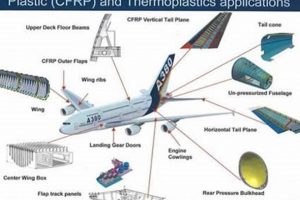
Innovation, while driving progress, inherently introduces new uncertainties requiring diligent hazard control strategies. The development and implementation of novel technologies, materials, or operational procedures in the aeronautics and astronautics sectors often involve venturing into uncharted territory. This can give rise to unforeseen hazards that traditional strategies might not adequately address. Therefore, innovation necessitates the concurrent evolution of preventative practices to effectively manage the emergent challenges. For example, the introduction of composite materials in aircraft construction, while offering weight savings and improved fuel efficiency, required the development of new inspection techniques to detect subsurface damage not readily visible with conventional methods. Similarly, the transition to autonomous flight systems demands the creation of robust safety protocols and redundancy measures to mitigate the potential for software glitches or sensor failures.
An effective preventative process is not a static framework but a dynamic system that adapts to the ever-changing landscape of technology and operations. It encourages a culture of experimentation and learning, allowing organizations to explore new ideas while proactively identifying and mitigating potential hazards. One practical application of this approach is the use of digital twins virtual replicas of physical assets to simulate operational scenarios and identify potential failure points before they manifest in the real world. This enables engineers to refine designs and procedures, enhancing system reliability and reducing overall threats. Another significant area is in the development of more sustainable aviation fuels, where rigorous testing and analysis are crucial to ensure that these alternatives do not compromise aircraft performance or create new environmental risks.
In conclusion, innovation and robust preventative strategies are interdependent elements in driving progress safely and sustainably. While innovation propels advancement, diligent risk management provides the guardrails necessary to navigate the uncertainties and challenges inherent in the process. By embracing a proactive and adaptive approach, organizations can harness the benefits of innovation while mitigating potential hazards, ensuring that technological progress leads to a safer and more reliable future for aviation and space exploration. Therein lies the core, reciprocal relationship between progress and safety.
5. Security

Security represents a critical dimension of effective hazard control. It encompasses the protection of assets, information, and personnel from intentional threats, including sabotage, terrorism, and cyberattacks. In the aeronautics and astronautics sectors, where systems are complex and interconnected, security breaches can have catastrophic consequences, potentially leading to loss of life, disruption of operations, and compromise of sensitive information. Consequently, a proactive and multi-layered approach to security is essential for maintaining operational integrity and mitigating intentional threats.
- Cybersecurity
Cybersecurity measures are crucial to protecting the digital infrastructure that supports air and space operations. Aircraft control systems, navigation systems, air traffic management systems, and satellite communication networks are all vulnerable to cyberattacks. A successful cyberattack could disrupt critical functions, compromise sensitive data, or even cause physical damage. Therefore, robust cybersecurity protocols, including firewalls, intrusion detection systems, encryption, and regular security audits, are essential to protect these systems from malicious actors. For instance, the NotPetya ransomware attack in 2017, which disrupted operations at several airports worldwide, underscores the importance of strong cybersecurity defenses in the aviation sector.
- Physical Security
Physical security measures are designed to protect aeronautics and astronautics facilities, equipment, and personnel from physical threats, such as sabotage, theft, and terrorism. This includes implementing access control systems, surveillance cameras, perimeter security, and security personnel to deter and detect unauthorized access. For example, airports employ extensive security measures, including passenger screening, baggage checks, and perimeter patrols, to prevent terrorist attacks. Aerospace manufacturers and research facilities also implement stringent security protocols to protect sensitive technologies and intellectual property from theft or espionage.
- Personnel Security
Personnel security involves screening and vetting employees to ensure that they do not pose a security risk. This includes conducting background checks, verifying credentials, and providing security awareness training to employees. The insider threat the risk posed by individuals with authorized access to sensitive information or systems is a significant concern in the aeronautics and astronautics sectors. Therefore, robust personnel security measures are essential to mitigate this risk. For example, government agencies that handle classified information conduct extensive background investigations on employees to ensure their loyalty and trustworthiness.
- Supply Chain Security
Supply chain security focuses on protecting the integrity of the supply chain from intentional threats. This includes verifying the authenticity of components, preventing counterfeiting, and ensuring that materials are not tampered with during transportation. The aeronautics and astronautics sectors rely on a complex global supply chain, making it vulnerable to security breaches. Therefore, robust supply chain security protocols, including supplier audits, traceability systems, and anti-counterfeiting measures, are essential to ensure the integrity of products and systems. For example, the discovery of counterfeit parts in aircraft engines highlights the potential consequences of supply chain security vulnerabilities.
These facets of security are interconnected and mutually reinforcing, highlighting that effective control requires a holistic approach that addresses all aspects of intentional threats. The constant evolution of security threats requires organizations to remain vigilant and adapt their security measures accordingly. Continuous monitoring, threat intelligence gathering, and collaboration with law enforcement agencies are essential to stay ahead of potential threats and maintain a robust security posture. Proactive and comprehensive security protocols not only protect assets and personnel but also safeguard the reputation and operational capabilities of organizations operating within the Aeronautics and Astronautics sectors.
6. Efficiency

The pursuit of efficiency within the aeronautics and astronautics sectors is inextricably linked to effective hazard control. While seemingly disparate goals, operational efficiency directly impacts the resources available for preventative measures, while the successful mitigation of threats reduces potential disruptions that negatively affect overall productivity. This relationship necessitates a balanced approach where efficiency gains do not compromise safety, but rather contribute to a more robust and resilient operational environment. For instance, the implementation of lean manufacturing principles in aircraft production can reduce waste and streamline processes, thereby freeing up resources that can be invested in enhanced quality control measures and more rigorous testing protocols. Such initiatives directly contribute to a safer and more reliable product while simultaneously improving overall efficiency.
Streamlining air traffic management (ATM) represents another area where the pursuit of efficiency directly intersects with hazard control. Optimized flight paths, reduced congestion, and improved communication systems not only minimize fuel consumption and reduce flight times but also enhance safety by reducing the risk of mid-air collisions and other operational hazards. The NextGen program in the United States and the Single European Sky ATM Research (SESAR) project in Europe exemplify efforts to modernize ATM systems, employing advanced technologies and procedures to improve both efficiency and safety. Furthermore, advancements in predictive maintenance technologies allow for more efficient allocation of maintenance resources, focusing efforts on components most likely to require attention, thereby minimizing downtime and reducing the potential for unexpected failures. All of these practices contribute to safer and more efficient system.
The correlation between efficiency and preventative strategies underscores the importance of adopting a holistic and integrated approach to operations. Efficiency gains should not be pursued at the expense of safety; instead, they should be viewed as complementary objectives that reinforce each other. Challenges remain in striking the right balance, particularly in contexts where cost pressures are intense and regulatory oversight may be insufficient. However, a commitment to prioritizing safety, investing in advanced technologies, and fostering a culture of continuous improvement can enable organizations to achieve both greater efficiency and enhanced hazard control, resulting in safer, more reliable, and more sustainable operations. Improved efficiencies, in turn, improve resilience within the system.
7. Resilience
Resilience, within the context of aeronautics and astronautics, signifies the ability of systems, organizations, and infrastructure to withstand, adapt to, and rapidly recover from disruptions, whether those disruptions are caused by technical failures, natural disasters, cyberattacks, or intentional acts of sabotage. It is not merely the absence of vulnerabilities but rather the capacity to maintain essential functions and operational integrity despite the presence of challenges. Effective hazard control fundamentally depends on building resilient systems that can absorb shocks, minimize damage, and restore functionality in a timely manner. The connection between resilience and preventative strategies is bidirectional: robust strategies reduce the likelihood of disruptions, while resilience enables organizations to cope with those disruptions that inevitably occur.
One example is the development of adaptive flight control systems that can automatically compensate for damage to aircraft control surfaces, such as ailerons or elevators. These systems enhance the aircraft’s ability to maintain stability and control even in the event of structural failure. Another critical aspect of resilience lies in the diversification of supply chains. By relying on multiple suppliers for critical components, organizations can mitigate the risk of disruption caused by supplier bankruptcies, natural disasters, or geopolitical instability. The COVID-19 pandemic exposed the vulnerability of many supply chains, highlighting the importance of building redundancy and flexibility into sourcing strategies. Furthermore, fostering a culture of continuous learning and improvement is essential for building resilience. Organizations must actively learn from past incidents, adapt their preventative measures, and invest in training and development to enhance the skills and knowledge of their workforce.
In conclusion, resilience is an indispensable component of effective hazard control. It is not a standalone concept but rather an integrated set of capabilities that complement and reinforce preventative strategies. By building systems that are robust, adaptable, and capable of rapid recovery, organizations can minimize the impact of disruptions and ensure the continued safety and reliability of air and space operations. The ongoing challenges within the sector, ranging from increasing cyber threats to the impacts of climate change, necessitate a renewed focus on building resilience as a core element of preventative methods. Understanding the interplay between both is essential for long-term success.
Frequently Asked Questions
The following questions address common inquiries regarding preventative strategies. The information provided is intended to offer a clear and concise overview of key concepts and practices.
Question 1: What are the primary differences between proactive and reactive processes?
Proactive processes involve identifying and mitigating hazards before they occur, while reactive processes address hazards after they have manifested into incidents or accidents. Proactive approaches emphasize prevention, while reactive approaches focus on containment and remediation. A robust system prioritizes proactive measures to minimize the likelihood of adverse events.
Question 2: How does regulatory compliance contribute to operational integrity?
Regulatory compliance provides a framework for ensuring that organizations adhere to established safety standards and best practices. Compliance helps to minimize the likelihood of accidents, protect personnel and equipment, and maintain public trust. Failure to comply with regulations can result in significant penalties and operational disruptions.
Question 3: What are some common techniques used for hazard identification?
Common techniques for hazard identification include Failure Mode and Effects Analysis (FMEA), hazard analysis, fault tree analysis, and root cause analysis. These techniques involve systematically identifying potential failure points, assessing the likelihood and severity of potential consequences, and implementing controls to mitigate the identified hazards.
Question 4: How can organizations foster a culture of open communication?
Organizations can foster a culture of open communication by encouraging the reporting of near misses, potential hazards, and safety concerns without fear of reprisal. This involves establishing confidential reporting channels, providing feedback to employees who report concerns, and demonstrating a commitment to addressing identified issues promptly and effectively.
Question 5: What role does technology play in enhancing preventative measures?
Technology can play a significant role in enhancing preventative measures by providing advanced tools for monitoring, analyzing, and mitigating hazards. This includes the use of predictive maintenance systems, remote sensing technologies, cybersecurity measures, and simulation tools to improve system reliability, enhance situational awareness, and reduce the likelihood of accidents.
Question 6: How can organizations ensure the effectiveness of their supply chain resilience strategies?
Organizations can ensure the effectiveness of their supply chain resilience strategies by diversifying their supplier base, conducting regular audits of suppliers, implementing traceability systems, and developing contingency plans for potential supply chain disruptions. Collaboration with suppliers and other stakeholders is also essential for building a resilient supply chain.
These answers provide a foundational understanding of the core principles and practices associated with the system. Further exploration of specific topics is recommended for a more in-depth understanding.
The subsequent section will explore potential challenges and future directions in preventative strategies, highlighting emerging trends and opportunities for improvement.
Conclusion
Effective “risk management in aerospace industry” is not merely a regulatory burden; it represents a fundamental imperative for safeguarding human life, protecting substantial investments, and ensuring the continued progress of air and space activities. This exploration has underscored the multifaceted nature of proactive strategies, encompassing regulatory compliance, reliability engineering, innovation management, security protocols, and the cultivation of organizational resilience. Each element contributes significantly to minimizing the potential for adverse events and fostering a culture of operational excellence.
The future of aeronautics and astronautics will inevitably present new challenges, demanding a continued commitment to research, development, and implementation of advanced hazard control methods. Vigilance, adaptability, and a proactive mindset are essential for navigating the evolving threat landscape and maintaining the highest standards of safety and performance in this critical sector. The pursuit of operational excellence through robust preventive measures must remain paramount.