A comparison between professionals who design and develop systems involving computer code, and those who create aircraft, spacecraft, satellites, and missiles necessitates a careful examination of their respective skill sets and domains. One field focuses on the logical implementation of systems using programming languages, while the other centers on the physical construction and performance of vehicles operating within and beyond Earth’s atmosphere.
The significance of understanding the distinctions lies in guiding career choices, informing educational pathways, and allocating resources effectively within technology and engineering sectors. Knowing the nuances between these roles can help individuals identify their aptitudes and preferences, leading to more fulfilling and productive careers. Historically, both professions have been vital to technological progress, but their contributions manifest in vastly different ways.
Therefore, a detailed discussion of the typical responsibilities, required education, work environments, salary expectations, and career trajectories associated with each discipline is warranted. This will provide a solid foundation for distinguishing between these two prominent engineering fields.
Guidance for Aspiring Professionals
For individuals considering a career path, a thorough evaluation of the demands and rewards associated with each discipline is crucial. The subsequent points offer guidance applicable to both fields.
Tip 1: Develop a Strong Foundation in Mathematics and Physics: Both require a solid understanding of mathematical principles, including calculus, linear algebra, and differential equations. A firm grasp of physics, particularly mechanics, thermodynamics, and electromagnetism, is also beneficial.
Tip 2: Cultivate Problem-Solving Skills: Engineering, in general, is inherently problem-solving oriented. Develop the ability to break down complex challenges into manageable components and devise innovative solutions. Practice through coursework, personal projects, and participation in relevant competitions.
Tip 3: Seek Internship Opportunities: Practical experience is invaluable. Internships provide exposure to real-world engineering projects, allowing individuals to apply theoretical knowledge and gain insights into industry practices. Target companies and organizations aligned with desired specialization.
Tip 4: Master Relevant Software Tools: Proficiency with industry-standard software is essential. For software development, this includes programming languages (e.g., Python, Java, C++), integrated development environments (IDEs), and version control systems. For aerospace disciplines, software such as CAD/CAM, MATLAB, and computational fluid dynamics (CFD) packages is important.
Tip 5: Enhance Communication Skills: Engineers must effectively communicate technical concepts to both technical and non-technical audiences. Practice writing clear and concise reports, delivering presentations, and collaborating with colleagues.
Tip 6: Maintain a Commitment to Lifelong Learning: Both fields are constantly evolving. Stay abreast of the latest technological advancements through continued education, professional development courses, and industry publications.
Tip 7: Understand System-Level Thinking: Consider the impact of individual components on the overall system. Whether it’s the interaction of software modules or the integration of aerospace vehicle subsystems, understanding the big picture is crucial for effective design and implementation.
In summary, rigorous academic preparation, hands-on experience, and a dedication to continuous learning are fundamental to success in either field. Effective communication and systemic thinking are also paramount.
This guidance provides a stepping stone towards informed decision-making when evaluating these different career paths.
1. Core Competencies
The divergence in core competencies represents a fundamental distinction between the skill sets of a software engineer and an aerospace engineer. A software engineer’s primary expertise lies in designing, developing, testing, and deploying software systems. This necessitates proficiency in programming languages, data structures, algorithms, software architecture, and database management. For example, a software engineer might be tasked with creating an application for air traffic control, requiring them to write efficient code, manage complex data flows, and ensure system reliability.
Conversely, an aerospace engineer focuses on the design, development, and testing of aircraft, spacecraft, satellites, and related systems. Their core competencies include aerodynamics, propulsion, structural analysis, control systems, and materials science. An aerospace engineer, for instance, might work on designing a new type of aircraft wing, requiring them to perform aerodynamic simulations, analyze structural stresses, and select appropriate materials to ensure flight stability and performance. The effect of neglecting either competency in their respective fields would lead to critical failures, unreliable systems, and potential safety hazards.
In summary, while both roles demand strong analytical and problem-solving skills, the specific knowledge and technical expertise required differ significantly. Software engineering emphasizes logical reasoning and computational skills, while aerospace engineering centers on physical principles and engineering design. These contrasting competencies are central to the distinct roles these engineers play in their respective industries and must be carefully considered by individuals pursuing careers in either field.
2. Work Environment
The typical work environment is a key differentiating factor between professionals developing code and those involved in design of vehicles within and beyond Earth’s atmosphere. Understanding these disparities helps prospective engineers align their career choices with their preferred working conditions.
- Office Setting vs. Field Testing
Software professionals often operate in office environments, collaborating with teams on coding, debugging, and software architecture. They may have flexible work arrangements, including remote work options. Conversely, aerospace personnel may spend time in laboratories, wind tunnels, or test facilities, directly involved in the construction, testing, and analysis of physical prototypes. This can involve travel to testing sites or manufacturing plants.
- Collaboration Styles
Software development often emphasizes agile methodologies and collaborative coding, requiring constant communication and integration within a team. Aerospace projects frequently involve larger, more hierarchical teams, where engineers specialize in specific components or subsystems, necessitating coordination across different departments.
- Exposure to Risk and Safety Protocols
While software engineers encounter risks related to data security and system reliability, aerospace personnel face physical risks associated with working around heavy machinery, high-pressure systems, and potentially hazardous materials. Aerospace environments often involve stringent safety protocols and adherence to regulatory standards to minimize the potential for accidents or equipment failures.
- Impact of Project Phase
Both types of engineers experience variations in their work environment depending on the stage of the project. Software engineers may encounter intense periods of coding and debugging leading up to a release, while aerospace personnel may be heavily involved in testing and validation during the final stages of a vehicle’s development. This can lead to fluctuations in work hours and stress levels.
These differences in setting, team structure, risk exposure, and project phase underscore the distinct experiences of engineers in the software and aerospace sectors. Individuals should carefully consider these aspects when choosing a career path to ensure alignment with their personal preferences and professional aspirations.
3. Project Lifecycle

The project lifecycle represents a critical point of divergence. It dictates the workflow, timelines, and required skillsets, deeply impacting the daily activities and long-term career paths of software engineers and aerospace engineers. A comprehensive understanding of these lifecycle differences is crucial for individuals evaluating career options.
- Development Iterations
Software development typically follows an iterative approach, employing methodologies like Agile or Scrum. This involves frequent cycles of planning, coding, testing, and deployment, leading to incremental software releases and continuous updates. For instance, a software engineer working on a mobile app might release updates every few weeks based on user feedback and bug fixes. In contrast, aerospace projects often adhere to a more traditional waterfall model, with sequential phases of design, manufacturing, testing, and certification. Changes are far more costly and time-consuming to implement once the design is finalized, as they often require physical modifications and re-certification. The development of a new aircraft model, for example, can take years, with minimal opportunity for iterative changes once the design is frozen.
- Testing and Validation
Software testing emphasizes unit tests, integration tests, and user acceptance tests, often leveraging automated testing frameworks. Bugs can be fixed relatively quickly and deployed to users with minimal disruption. Aerospace testing, however, involves rigorous physical testing, simulations, and flight tests to ensure safety and performance. Failures during testing can lead to significant delays, cost overruns, and even catastrophic consequences. For example, wind tunnel testing and structural load testing are essential for validating the design of an aircraft wing before it can be certified for flight.
- Change Management
Software projects readily accommodate changes in requirements or design, adapting to evolving user needs or market trends. Version control systems and continuous integration/continuous deployment (CI/CD) pipelines facilitate rapid iteration and deployment of new features. Aerospace projects, due to their complexity and safety-critical nature, are subject to stringent change management processes. Any modification to the design or manufacturing process requires extensive analysis, documentation, and approval from regulatory agencies. This can significantly increase the time and cost associated with making changes.
- Maintenance and Support
Software maintenance involves bug fixes, security updates, and feature enhancements, often delivered automatically to users. Long-term support is typically provided through regular software updates and online documentation. Aerospace maintenance, on the other hand, involves scheduled inspections, repairs, and overhauls of physical components. Maintenance activities are governed by strict regulatory requirements and often require specialized equipment and trained personnel. The lifespan of an aircraft or spacecraft can extend for decades, necessitating ongoing maintenance and upgrades to ensure continued safe operation.
In conclusion, the contrasting project lifecycles profoundly shape the daily tasks and responsibilities of software engineers and aerospace engineers. Software engineering allows for rapid iteration and adaptation, while aerospace projects demand meticulous planning, rigorous testing, and stringent change management. Understanding these differences is essential for aligning career choices with individual preferences and expectations.
4. Essential Tools

The nature of tools used highlights a crucial distinction between professionals creating systems with code and those designing vehicles for air and space. The tools directly reflect the core tasks and the underlying principles governing each field, significantly influencing the skillsets and daily workflows of engineers in these domains.
- Programming Languages vs. CAD Software
Software engineers rely heavily on programming languages such as Python, Java, C++, and JavaScript to write, test, and deploy software applications. They also utilize integrated development environments (IDEs), debuggers, and version control systems like Git. For example, a software engineer might use Python with the Django framework to build a web application, employing Git for collaborative code management. Conversely, aerospace engineers depend on computer-aided design (CAD) software like CATIA, SolidWorks, or AutoCAD for designing aircraft and spacecraft components. These tools enable them to create detailed 3D models, perform simulations, and generate manufacturing drawings. An aerospace engineer could use CATIA to design a new aircraft wing, ensuring it meets specific aerodynamic and structural requirements.
- Simulation and Analysis Software
Software engineers use a variety of simulation and analysis tools to test software performance, identify bottlenecks, and ensure system reliability. These tools might include load testing software, memory profilers, and static code analyzers. For instance, a software engineer might use JMeter to simulate high traffic loads on a web server, identifying potential performance issues. Aerospace engineers rely on specialized simulation and analysis software such as ANSYS, MATLAB, and computational fluid dynamics (CFD) packages to analyze structural stresses, simulate aerodynamic behavior, and optimize control systems. An aerospace engineer might use ANSYS to perform finite element analysis (FEA) on an aircraft fuselage, ensuring it can withstand the stresses of flight.
- Testing and Validation Equipment
While software testing primarily involves virtual environments and automated testing frameworks, aerospace engineering necessitates physical testing and validation using specialized equipment. Software engineers use unit testing frameworks and integration testing tools to ensure code quality. Aerospace engineers employ wind tunnels, vibration tables, and environmental test chambers to simulate real-world conditions and validate the performance of aircraft and spacecraft components. For example, a wind tunnel is used to measure the aerodynamic forces on a scale model of an aircraft, while a vibration table is used to test the durability of electronic components subjected to launch vibrations.
- Data Analysis and Visualization Tools
Both professions require strong data analysis and visualization skills, but the types of data and the tools used differ. Software engineers analyze log files, performance metrics, and user behavior data using tools like Splunk, Grafana, and Tableau to identify trends and optimize software performance. Aerospace engineers analyze data from flight tests, simulations, and sensor readings using tools like MATLAB, Python (with libraries like NumPy and SciPy), and specialized data acquisition systems. For example, an aerospace engineer might use MATLAB to analyze flight test data, identifying anomalies and validating the performance of a flight control system.
In summary, the tools employed by software engineers and aerospace engineers reflect their distinct domains and priorities. Software professionals focus on tools for code development, testing, and deployment, while aerospace engineers emphasize tools for design, simulation, and physical testing. Understanding these differences is essential for individuals considering careers in these fields, as it highlights the specific skills and knowledge required for success.
5. Industry Focus
The disparate industries served by software engineers and aerospace engineers significantly shape their work and career trajectories. This difference dictates the specific technical challenges, regulatory environments, and economic factors influencing their respective professions. A software engineer may find opportunities across diverse sectors including finance, healthcare, entertainment, and transportation, contributing to applications ranging from mobile banking to medical imaging software. The demand for software solutions across these various fields drives a broad and relatively flexible job market, allowing for specialization in areas like cybersecurity, artificial intelligence, or web development. The effect is a highly adaptable profession responding to the evolving needs of a digitized world.
In contrast, the aerospace industry is more concentrated, primarily revolving around aircraft manufacturing, space exploration, defense, and satellite communications. Engineers in this field often work for government agencies like NASA or private companies such as Boeing or SpaceX. This industry is characterized by high barriers to entry, stringent regulatory oversight from organizations like the FAA (Federal Aviation Administration), and long-term projects requiring significant capital investment. Consider the development of a new commercial airliner or a Mars rover: these endeavors demand years of planning, design, testing, and certification, involving large teams and substantial financial resources. The industry’s focus on safety and precision drives a culture of rigorous engineering practices.
The industry focus dictates fundamental aspects of each engineering role. While software engineers adapt to rapid technological changes and a dynamic market, aerospace engineers operate within a highly regulated, safety-critical environment that demands meticulous attention to detail and adherence to established standards. Understanding these differences is essential for aspiring engineers, informing their educational choices, career expectations, and long-term professional development goals. Selecting a field compatible with one’s interests and professional values is key to a successful and fulfilling career.
Frequently Asked Questions
This section addresses common inquiries regarding the distinctions between software engineering and aerospace engineering, providing clarity on key aspects of each profession.
Question 1: Is a background in aviation necessary to become an aerospace engineer?
Direct experience with or a deep fascination for aviation is beneficial, but not strictly required. A strong foundation in mathematics, physics, and engineering principles is paramount. Coursework and practical experience, such as internships, can substitute for prior aviation exposure.
Question 2: Which field, software or aerospace, offers higher earning potential?
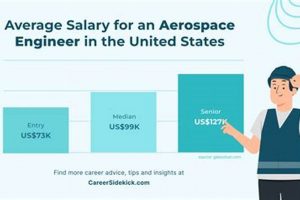
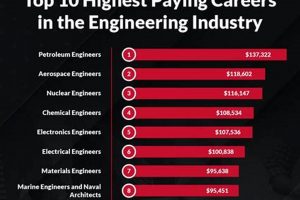
Earning potential varies based on factors such as experience, specialization, and geographic location. Both fields can provide lucrative careers. Highly skilled software engineers, particularly those specializing in emerging technologies, may command higher salaries in some sectors. However, senior-level aerospace engineers, especially those working on cutting-edge projects or in management roles, can also achieve substantial compensation.
Question 3: Can software engineers easily transition into aerospace engineering roles, and vice versa?
A direct transition without further education or training is unlikely due to the distinct skill sets and domain knowledge required. However, individuals with strong analytical skills and a willingness to learn can pursue graduate studies or specialized training to bridge the gap. A software engineer with expertise in embedded systems, for example, might transition to an aerospace role involving flight control software.
Question 4: How important is innovation in both fields?
Innovation is critically important in both software and aerospace engineering. In software, innovation drives the development of new applications, algorithms, and programming paradigms. In aerospace, innovation is essential for creating more efficient, safer, and more capable aircraft and spacecraft. Both fields rely on continuous improvement and the exploration of novel technologies.
Question 5: What are the primary job security concerns for each field?
Software engineers face concerns related to rapidly evolving technologies, requiring continuous upskilling to remain competitive. Aerospace engineers are often subject to fluctuations in government funding and defense spending, potentially impacting job security. Economic downturns can also affect both industries, although demand for skilled engineers generally remains strong.
Question 6: Which field requires more advanced mathematical skills?
Both software and aerospace engineering require a strong foundation in mathematics. However, aerospace engineering often relies more heavily on advanced mathematical concepts such as differential equations, linear algebra, and calculus for modeling physical systems and performing complex simulations. Software engineering utilizes mathematical principles for algorithm design, data analysis, and cryptography.
In summary, both careers offer substantial rewards and challenges. A thoughtful evaluation of one’s aptitudes, interests, and long-term goals is essential for making an informed decision.
This concludes the FAQ section. The next portion of this article will synthesize the information discussed.
Conclusion
The preceding analysis has illuminated the distinct characteristics of a software engineer vs aerospace engineer. The former emphasizes code development, agile methodologies, and a broad industry focus, while the latter prioritizes physical design, rigorous testing, and a concentrated aerospace sector. Core competencies, work environments, project lifecycles, essential tools, and industry focus each contribute to fundamentally different professional experiences. While both fields demand strong analytical skills, their application domains diverge significantly, resulting in unique challenges and opportunities.
Ultimately, the choice between pursuing a career as either a software engineer or an aerospace engineer rests on individual preferences, aptitudes, and long-term career aspirations. Prospective engineers should carefully consider their strengths, interests, and the realities of each profession to make an informed decision that aligns with their personal and professional goals. Continued exploration and engagement within these dynamic fields will be essential for future success.