A comparison between the disciplines focusing on flight vehicle design and manufacturing with the field concerned with computation and information systems reveals distinct areas of study and professional opportunities. One focuses on creating and maintaining aircraft, spacecraft, and related systems, while the other centers on software, hardware, and network infrastructure development.
The importance of understanding the differences lies in selecting a career path aligned with individual aptitudes and interests. The selection significantly impacts the trajectory of one’s professional life, influencing the nature of daily tasks, required skill sets, and potential for innovation. Historically, both fields have been at the forefront of technological advancement, contributing significantly to economic growth and societal progress.
The following sections will explore the nuances of each field, including their respective curricula, career prospects, required skills, and potential challenges. A thorough examination will enable a clearer understanding of the distinct pathways available and assist in making informed decisions regarding higher education and career choices.
Selecting between the respective fields requires careful consideration of individual strengths and aspirations. The following tips provide guidance for navigating this decision-making process, emphasizing factors critical to long-term career satisfaction and success.
Tip 1: Evaluate Core Interests: Assess genuine interest in either physical systems and flight mechanics or abstract problem-solving and digital architectures. A strong intrinsic motivation is essential for sustained engagement in either discipline.
Tip 2: Analyze Aptitude for Mathematics and Physics: Recognize that a solid foundation in mathematics and physics is crucial for success in the aerospace field. Computer engineering, while also reliant on mathematical principles, places a greater emphasis on logic and discrete mathematics.
Tip 3: Research Curricular Differences: Thoroughly investigate the core coursework associated with each discipline. Review university catalogs and course syllabi to understand the specific topics covered and the depth of technical knowledge required.
Tip 4: Explore Career Paths and Specializations: Identify specific career paths and potential specializations within each field. Aerospace offers opportunities in areas such as propulsion, aerodynamics, and structural design, while computer engineering encompasses software development, hardware engineering, and cybersecurity.
Tip 5: Consider Internship Opportunities: Seek internship experiences in both aerospace and computer-related roles to gain firsthand exposure to the work environment and daily responsibilities. Practical experience provides valuable insights that complement academic knowledge.
Tip 6: Network with Professionals: Engage with professionals working in both fields to gain perspectives on the realities of their respective careers. Attend industry events, connect on professional networking platforms, and seek informational interviews.
Tip 7: Assess Long-Term Career Goals: Reflect on long-term career aspirations and how each field aligns with those objectives. Consider factors such as potential for career advancement, salary expectations, and opportunities for continued learning and professional development.
Careful consideration of these factors will facilitate a well-informed decision, leading to a career path that aligns with individual strengths, interests, and goals. This informed approach ultimately maximizes the potential for professional fulfillment and significant contributions to the chosen field.
These tips serve as a framework for approaching the decision-making process. The subsequent sections will further elaborate on the key differences and similarities between the two fields.
1. Curriculum

The core curriculum within aerospace engineering programs heavily emphasizes the application of physics and mathematics to the design and analysis of flight vehicles. Students typically engage with subjects such as aerodynamics, propulsion, structural mechanics, flight dynamics, and control systems. These courses provide the foundational knowledge necessary to understand the behavior of aircraft and spacecraft in various atmospheric and orbital environments. A direct cause-and-effect relationship exists between mastery of these subjects and the ability to contribute effectively to the design, development, and testing of aerospace vehicles.
In contrast, the curriculum of computer engineering focuses on the design, development, and integration of computer systems and software. Students study digital logic design, computer architecture, data structures and algorithms, operating systems, and software engineering principles. The emphasis is on creating efficient and reliable hardware and software solutions for a wide range of applications. A real-life example illustrates this point: computer engineering graduates develop the embedded systems used in aircraft navigation and control systems, working closely with aerospace engineers to integrate these digital components into the overall vehicle design.
In summary, curriculum dictates the specific skill sets acquired by graduates of each discipline. The practical significance of understanding these curricular differences lies in aligning academic pursuits with career aspirations. Students seeking to design aircraft will find the aerospace curriculum essential, while those interested in developing software for embedded systems will benefit more from a computer engineering education. The curricular choices fundamentally shape the direction of one’s professional development.
2. Career Paths

The divergence in career paths represents a significant distinction, guiding aspiring engineers toward roles aligning with their skills and interests. Understanding these paths is essential for informed decision-making within the context of “aerospace vs computer engineering.”
- Aerospace Engineer
Aerospace engineers focus on the design, development, and testing of aircraft, spacecraft, satellites, and missiles. Their roles may involve specializing in areas such as aerodynamics, propulsion systems, structural analysis, or flight control. For instance, an aerospace engineer might design a more fuel-efficient wing for a commercial airliner or develop the guidance system for a space exploration probe. The practical implications are significant, contributing to advancements in air travel, space exploration, and national defense.
- Software Engineer
Software engineers are responsible for the design, development, and maintenance of software systems. They may work on various applications, including embedded systems for aerospace vehicles, operating systems for computers, or mobile applications for consumer devices. An example involves developing the software for an aircraft’s autopilot system or creating a mobile app for air traffic control. Their work directly impacts the functionality and user experience of technology across numerous sectors.
- Hardware Engineer
Hardware engineers design, develop, and test computer hardware components, such as processors, memory systems, and circuit boards. Their roles are crucial in the creation of efficient and reliable computing devices. For example, a hardware engineer could design a more powerful and energy-efficient processor for a satellite or develop a new type of sensor for aircraft. The implications include improvements in computing performance, energy efficiency, and the capabilities of electronic devices.
- Systems Engineer
Systems engineers take a holistic approach to complex engineering projects, integrating different components and ensuring they work together effectively. They are involved in defining system requirements, designing system architectures, and managing the integration process. For instance, a systems engineer might oversee the integration of all the avionics systems in an aircraft or manage the development of a satellite communication system. Their expertise ensures the overall functionality and performance of complex technological systems.
These examples illustrate the diverse career paths stemming from these fields. While aerospace engineers concentrate on physical systems, computer engineers address software and hardware aspects. The differences shape the day-to-day work, the problem-solving approaches, and the industries in which professionals operate. Therefore, awareness of these paths is important for aligning educational choices with professional goals.
3. Core Skills

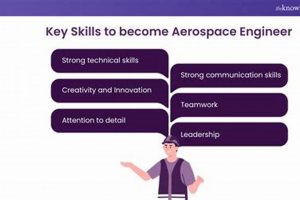
The core skills demanded by each discipline highlight their distinct natures. Aerospace engineering necessitates proficiency in areas like fluid dynamics, structural analysis, and thermodynamics. These skills are fundamental to designing and analyzing aircraft, spacecraft, and propulsion systems. A deficiency in any of these areas directly impacts the ability to ensure the safety and efficiency of aerospace vehicles. For example, inadequate understanding of structural analysis can lead to catastrophic failures in aircraft components. Therefore, the mastery of these core skills is not merely beneficial but crucial for aerospace engineers.
Computer engineering, conversely, requires skills in data structures, algorithms, and computer architecture. Competence in these areas is essential for developing software, designing hardware, and creating efficient computer systems. Consider the development of real-time control systems for aircraft; computer engineers must possess a deep understanding of these skills to create reliable and responsive software. The integration of these systems is vital for the overall operation and safety of the aircraft. Therefore, the impact of computer engineering core skills extends beyond software development, playing a crucial role in aerospace applications.
In summary, while both fields necessitate a strong foundation in mathematics and problem-solving, the specific skills differ significantly. Aerospace engineering emphasizes physical systems and their behavior, while computer engineering focuses on computation and information processing. Recognizing these differences allows individuals to strategically cultivate the skills best aligned with their chosen field, increasing their potential for success and contributing to advancements in their respective industries. The challenge lies in acknowledging the unique demands of each field and pursuing targeted skill development.
4. Job Market
The job market presents a critical consideration when evaluating career paths in aerospace engineering and computer engineering. Understanding current trends, growth projections, and industry demands offers valuable insights for prospective students and professionals seeking to align their skills with market opportunities.
- Demand Fluctuations
The demand for aerospace engineers is subject to cyclical fluctuations influenced by government defense spending, commercial aviation trends, and space exploration initiatives. Economic downturns can lead to reduced budgets and hiring freezes, while periods of growth can result in increased job opportunities. In contrast, the demand for computer engineers demonstrates more consistent growth due to the pervasive integration of technology across industries. Software development, cybersecurity, and data science positions remain in high demand, regardless of economic cycles. This difference highlights the importance of considering macroeconomic factors when assessing long-term career prospects.
- Geographic Concentrations
Aerospace jobs are often concentrated in specific geographic regions with established aerospace industries, such as California, Texas, and Washington State. Job seekers may need to relocate to these areas to increase their chances of finding employment. Computer engineering positions, on the other hand, are more widely distributed across various urban centers and technology hubs. Opportunities exist in Silicon Valley, Seattle, New York City, and other metropolitan areas, providing greater flexibility in terms of location. The geographic distribution of jobs impacts career planning and relocation considerations.
- Industry Diversity
Computer engineers find opportunities across a wider range of industries than aerospace engineers. While aerospace engineers primarily work in the aerospace and defense sectors, computer engineers are employed in technology, finance, healthcare, manufacturing, and many other industries. This diversity provides greater job security and career mobility, as computer engineers can transfer their skills to different sectors based on market demand. The broader applicability of computer engineering skills contributes to its stable job market.
- Skill Specialization
Within both fields, specialized skills are highly valued by employers. In aerospace engineering, expertise in areas such as composite materials, advanced propulsion systems, or autonomous flight control can enhance job prospects. For computer engineering, skills in artificial intelligence, machine learning, cloud computing, or cybersecurity are in high demand. Staying abreast of technological advancements and acquiring specialized skills is essential for maintaining competitiveness in the job market. The continuous evolution of technology necessitates ongoing learning and professional development.
In conclusion, the job market significantly influences career decisions in both fields. While aerospace engineering offers specialized roles within a specific industry, computer engineering provides broader opportunities across diverse sectors. Understanding the nuances of demand fluctuations, geographic concentrations, industry diversity, and skill specialization is crucial for aligning career goals with market realities. The choice between “aerospace vs computer engineering” should consider not only individual interests and aptitudes but also the projected job market dynamics for each field.
5. Work Environment

The work environment varies considerably between the two disciplines, influencing daily routines, collaborative dynamics, and overall job satisfaction. An understanding of these differences is important when weighing “aerospace vs computer engineering” as career options.
- Physical vs. Digital Spaces
Aerospace engineers often operate in environments such as wind tunnels, test facilities, and manufacturing plants, where physical prototypes and experiments are central to their work. For instance, an aerospace engineer might spend time in a wind tunnel collecting data on aircraft wing designs or on a factory floor overseeing the assembly of a satellite. Conversely, computer engineers typically work in office settings, laboratories, or data centers, primarily engaging with computers, software, and digital simulations. An example would be a computer engineer developing code for an aircraft’s flight control system in an office or testing the performance of a new server in a data center. The distinction highlights the differing degrees of direct interaction with physical hardware.
- Collaboration and Team Dynamics
Aerospace projects often involve large, multidisciplinary teams, including engineers from various specializations, technicians, and project managers. Collaboration is essential for integrating complex systems, such as designing an aircraft or launching a spacecraft. Regular meetings, design reviews, and cross-functional coordination are typical. Computer engineering projects can also involve teams but may allow for more independent work, especially in software development. Computer engineers might collaborate on coding projects, participate in agile development sprints, or work independently on specific modules of a software application. The level of autonomy and the nature of teamwork differ between the two fields.
- Regulatory and Safety Considerations
Aerospace engineering is subject to stringent regulatory oversight due to the critical safety implications of aircraft and spacecraft operation. Engineers must adhere to strict standards and protocols to ensure the reliability and safety of their designs. Examples include compliance with FAA regulations for commercial aircraft or NASA standards for space missions. Computer engineering, while also subject to quality control and security standards, generally faces less stringent regulatory requirements. The emphasis on safety and compliance differs significantly.
- Pace and Project Lifecycles
Aerospace projects typically have long lifecycles, spanning several years from initial design to deployment. The development of a new aircraft, for example, can take a decade or more. This long-term focus requires patience, persistence, and the ability to manage complex projects over extended periods. Computer engineering projects can have shorter lifecycles, especially in software development, with projects often completed in months or even weeks. Agile methodologies and rapid prototyping are common. The pace and duration of projects differ substantially, impacting work styles and career expectations.
The differences in work environment between aerospace and computer engineering influence not only daily tasks but also career preferences and personal fulfillment. An appreciation for physical systems and rigorous safety protocols might draw individuals to aerospace engineering, while a preference for digital environments and rapid development cycles might favor computer engineering. When deciding between “aerospace vs computer engineering,” the work environment is a crucial factor to consider.
6. Salary ranges

Salary expectations are a significant factor in career decisions. Within the context of “aerospace vs computer engineering,” variations in compensation reflect the demand for specific skills, the complexity of the work, and the industry’s profitability. Higher salaries often correlate with specialized knowledge, extensive experience, and critical roles within an organization. The aerospace sector, for example, may offer competitive salaries for engineers with expertise in propulsion systems or advanced materials, areas crucial for the development of efficient aircraft and spacecraft. Similarly, computer engineering roles involving cybersecurity or artificial intelligence frequently command higher compensation due to the scarcity of qualified professionals and the high value placed on these skills. This comparison demonstrates a cause-and-effect relationship between specialization and earning potential.
Variations in salary also stem from geographical location. Areas with a high concentration of aerospace companies or technology firms typically offer higher salaries to attract talent. For instance, Silicon Valley, with its numerous technology companies, often provides higher compensation for computer engineers compared to regions with fewer opportunities. Similarly, cities with major aerospace manufacturers may offer more competitive salaries for aerospace engineers. The financial implications are practical; awareness of regional salary differences enables job seekers to make informed decisions about relocation and negotiate effectively. Salary data from reputable sources, such as the Bureau of Labor Statistics, provides benchmark figures and regional comparisons.
In conclusion, understanding the relationship between “aerospace vs computer engineering” and salary ranges involves considering factors such as skill specialization, industry demand, geographical location, and experience level. While computer engineering often presents a broader range of opportunities and potentially higher starting salaries in some sectors, aerospace engineering can offer competitive compensation for specialized roles in critical areas. The challenge lies in balancing salary expectations with personal interests and long-term career goals. A holistic approach, incorporating salary data with other factors, leads to well-informed choices aligning individual aspirations with professional realities.
7. Industry focus
The industry focus represents a key differentiator when comparing aerospace engineering and computer engineering. The primary sectors of employment, the types of projects undertaken, and the specific challenges addressed vary significantly, influencing the day-to-day work and long-term career trajectory.
- Aerospace and Defense
Aerospace engineering is predominantly focused on the aerospace and defense industries, encompassing the design, development, and manufacturing of aircraft, spacecraft, missiles, and related systems. Engineers in this sector may work for government agencies, such as NASA or the Department of Defense, or for private companies like Boeing, Lockheed Martin, and SpaceX. Their work directly impacts national security, space exploration, and air transportation. An example includes designing a new generation of fighter jets or developing a satellite communication system. The ethical considerations, regulatory constraints, and high-stakes nature of these projects characterize this industry focus.
- Technology and Software
Computer engineering, conversely, is integral to the technology and software industries, spanning a broad spectrum of applications from consumer electronics to enterprise software. Computer engineers design and develop hardware and software solutions for companies like Google, Microsoft, Apple, and Amazon, as well as for smaller startups and research institutions. Their contributions drive innovation in areas such as artificial intelligence, cloud computing, and cybersecurity. An instance involves creating a new operating system for mobile devices or developing a secure platform for online banking. The rapid pace of technological change and the pervasive influence of digital technologies define this industry focus.
- Government and Research
Both fields have a presence in government and research institutions, but the nature of their involvement differs. Aerospace engineers may conduct research on advanced materials for aircraft structures or develop new propulsion technologies for spacecraft. Computer engineers may work on developing advanced algorithms for data analysis or creating secure communication networks for government agencies. For example, an aerospace engineer might work at a NASA research center, while a computer engineer could be employed by the National Security Agency. The focus in these sectors is on innovation and the advancement of scientific knowledge.
- Consulting and Services
Consulting and services firms employ both aerospace and computer engineers, providing specialized expertise to clients across various industries. Aerospace engineering consultants may advise airlines on fuel efficiency strategies or assist aerospace manufacturers with quality control processes. Computer engineering consultants may help businesses implement cloud computing solutions or develop cybersecurity strategies. For example, an aerospace engineering consultant might work with an airline to optimize flight routes, while a computer engineering consultant could assist a hospital in securing its patient data. The focus is on applying specialized knowledge to solve specific client problems.
The industry focus distinguishes the professional landscape for aerospace engineers and computer engineers. While aerospace engineering centers on aerospace and defense, computer engineering encompasses a wide range of sectors driven by technological innovation. The choice between “aerospace vs computer engineering” necessitates a careful consideration of the industry sectors that align with individual interests and career aspirations.
Frequently Asked Questions
This section addresses common inquiries and clarifies essential aspects of the academic and career paths associated with these two distinct engineering disciplines. The intent is to provide objective, fact-based information to assist in informed decision-making.
Question 1: Is prior experience in aviation necessary to pursue a degree in aerospace engineering?
No, prior experience in aviation is not a prerequisite for pursuing a degree in aerospace engineering. The curriculum is designed to provide a comprehensive foundation in the relevant scientific and engineering principles, regardless of prior exposure to the field.
Question 2: What are the primary differences in the mathematical requirements for aerospace engineering versus computer engineering?
Both disciplines require a strong foundation in mathematics, including calculus, differential equations, and linear algebra. However, aerospace engineering places a greater emphasis on continuous mathematics and its application to physical systems, while computer engineering often emphasizes discrete mathematics and its application to algorithmic design and analysis.
Question 3: Can a computer engineering graduate work in the aerospace industry?
Yes, a computer engineering graduate can find opportunities in the aerospace industry, particularly in areas related to software development for embedded systems, avionics, and simulation. However, a strong understanding of aerospace principles and systems may be necessary for certain roles.
Question 4: What are the ethical considerations unique to aerospace engineering?
Ethical considerations in aerospace engineering include ensuring the safety and reliability of aircraft and spacecraft, managing the environmental impact of aviation, and addressing issues related to national security and the use of aerospace technology.
Question 5: How does the demand for aerospace engineers compare to the demand for computer engineers?
The demand for computer engineers is generally more consistent and widespread across various industries, while the demand for aerospace engineers can be more cyclical and concentrated in specific geographic regions and sectors, such as government defense spending and commercial aviation.
Question 6: What are the typical graduate-level specializations available within each field?
Aerospace engineering offers specializations such as aerodynamics, propulsion, structural mechanics, and astrodynamics. Computer engineering offers specializations like software engineering, hardware engineering, cybersecurity, and artificial intelligence.
These frequently asked questions provide an overview of key considerations when evaluating aerospace engineering and computer engineering. The differences in curriculum, career paths, ethical considerations, and job market dynamics contribute to unique career trajectories.
The following section provides a summary of the information presented, offering a final perspective to guide informed decision-making.
Aerospace vs Computer Engineering
This exploration has delineated the distinct characteristics of aerospace engineering and computer engineering, emphasizing the diverse academic foundations, career opportunities, and skill sets inherent to each discipline. The comparison reveals fundamental differences in curriculum focus, industry alignment, and work environment, providing a framework for informed decision-making.
Selecting between aerospace engineering and computer engineering requires a rigorous self-assessment of aptitudes, interests, and long-term career aspirations. The decision, based on a comprehensive understanding of the nuances within each field, significantly shapes the trajectory of professional development and contribution to technological advancement. A well-informed choice will maximize potential for professional fulfillment and successful innovation.