The array of professional paths available to graduates with a degree in the field encompasses roles focused on the design, development, testing, and production of aircraft, spacecraft, and related systems. This includes opportunities to specialize in areas such as aerodynamics, propulsion, structural analysis, and control systems. For instance, an individual may work on optimizing the aerodynamic performance of a new aircraft wing design or developing advanced propulsion systems for space exploration.
Understanding the potential avenues for professional development is crucial for students and graduates in this field. The selection of a specific career path can significantly impact one’s long-term professional satisfaction and earning potential. Historically, this discipline has contributed significantly to advancements in transportation, defense, and scientific exploration, fostering continuous innovation and demand for skilled professionals. The benefits of pursuing such careers extend beyond personal fulfillment, playing a critical role in societal progress and technological advancement.
The subsequent sections will elaborate on specific roles within the industry, highlighting required skills, typical responsibilities, and potential career progression. The intent is to provide a detailed overview of the possibilities, enabling individuals to make informed decisions about their professional trajectories.
The following suggestions are designed to assist individuals in effectively exploring and pursuing various roles after completing relevant education.
Tip 1: Specialize Strategically. Focusing expertise within a sub-discipline, such as propulsion or aerodynamics, can increase marketability and allow for deeper technical proficiency. For example, a focus on computational fluid dynamics (CFD) can lead to roles in aircraft design and optimization.
Tip 2: Cultivate Strong Analytical Skills. Proficiency in mathematical modeling, data analysis, and problem-solving is essential. These skills are applicable across numerous positions, from structural engineering to systems analysis.
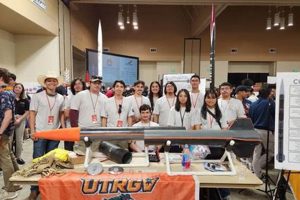
Tip 3: Gain Practical Experience. Internships, research opportunities, and participation in engineering design competitions provide invaluable hands-on experience. Working on a university-sponsored satellite project, for instance, allows for the application of theoretical knowledge to real-world challenges.
Tip 4: Develop Effective Communication Skills. The ability to clearly articulate technical concepts, both verbally and in writing, is critical for collaboration and project management. Presenting research findings at a conference, for example, demonstrates these skills.
Tip 5: Seek Out Mentorship. Guidance from experienced professionals can provide valuable insights into industry trends, career paths, and networking opportunities. Actively engaging with professors and industry professionals can facilitate this.
Tip 6: Obtain Relevant Certifications. Depending on the desired role, certifications in areas such as project management or specific software tools can enhance credibility and demonstrate competency. Pursuing a Project Management Professional (PMP) certification, for example, can be beneficial for individuals aspiring to leadership roles.
These insights provide a framework for strategically planning a career, emphasizing the importance of specialized knowledge, practical experience, and continuous professional development.
The following section will provide a concluding synthesis of the core aspects discussed.
1. Design Engineering

Design engineering forms a foundational pillar within the broader spectrum of career paths for aerospace engineering graduates. This specialized area focuses on the conceptualization, development, and detailed design of aerospace vehicles and related components. The ability to create and refine technical drawings, utilize computer-aided design (CAD) software, and apply principles of aerodynamics, structural mechanics, and materials science directly impacts the performance, safety, and efficiency of aerospace systems. For example, design engineers contribute to the development of more fuel-efficient aircraft wings or lighter, stronger spacecraft structures. Consequently, proficiency in design principles is a crucial attribute for individuals seeking to enter the field.
The importance of design engineering extends beyond the initial creation of systems; it encompasses continuous improvement and optimization. Design engineers frequently engage in performance analysis, failure investigations, and the implementation of design modifications to address emerging challenges and enhance existing products. The design process for a new generation of commercial aircraft, for instance, involves extensive collaboration between design engineers specializing in aerodynamics, propulsion, avionics, and structural integrity. This collaborative environment underscores the necessity for strong communication and teamwork skills alongside technical expertise.
In summary, design engineering provides a critical pathway for aerospace engineering graduates. The ability to translate theoretical knowledge into practical designs is essential for advancing aerospace technology. The field demands not only technical proficiency but also a commitment to continuous learning and adaptation, ensuring that aerospace systems meet the evolving demands of performance, safety, and sustainability.
2. Research and Development

Research and development (R&D) represents a vital component of aerospace engineering, serving as a breeding ground for innovation and technological advancement. Positions within R&D drive the creation of new aerospace technologies and the refinement of existing ones, significantly impacting potential career trajectories in the field. The following outlines key facets of R&D and its influence on career prospects.
- Fundamental Research
Fundamental research aims to expand the understanding of basic scientific principles relevant to aerospace engineering. This work may involve exploring novel materials, investigating advanced propulsion concepts, or developing innovative control algorithms. Researchers in this area often hold advanced degrees and work in academic institutions or government laboratories. The career path may lead to professorships, research scientist positions, or consulting roles.
- Applied Research
Applied research focuses on translating fundamental knowledge into practical applications. This may involve developing prototype aerospace systems, conducting wind tunnel tests, or simulating flight dynamics. Applied researchers typically work in industry settings, such as aerospace manufacturers or technology companies. Career opportunities include roles as research engineers, design engineers, and project managers.
- Experimental Development
Experimental development involves the systematic use of knowledge gained from research and practical experience to create new or improved products or processes. This phase may involve building and testing experimental aircraft, spacecraft, or propulsion systems. Professionals in this area often possess a blend of theoretical knowledge and hands-on skills. Career paths include test engineers, systems engineers, and manufacturing engineers.
- Computational Modeling and Simulation
Computational modeling and simulation plays an increasingly significant role in aerospace R&D. The development of high-fidelity models and simulations allows engineers to analyze complex phenomena, optimize designs, and reduce the need for expensive physical testing. Individuals skilled in computational fluid dynamics (CFD), finite element analysis (FEA), and other simulation techniques are in high demand. Career opportunities include simulation engineers, data scientists, and software developers.
The diverse activities encompassed within aerospace R&D provide numerous career avenues for qualified individuals. Regardless of the specific focus, a strong foundation in mathematics, physics, and engineering principles is essential. The ability to think critically, solve complex problems, and communicate effectively are also crucial for success in this dynamic and impactful area of the field.
3. Testing and Analysis
Testing and analysis constitute a critical element in aerospace engineering careers, serving as a verification process that ensures the safety, reliability, and performance of aerospace systems. The execution of rigorous testing procedures, coupled with detailed data analysis, directly impacts the design, manufacturing, and operational phases of aircraft, spacecraft, and related technologies. As a consequence, a deep understanding of testing methodologies and analytical techniques becomes indispensable for many roles within the field. For instance, structural testing, involving applying controlled loads to airframe components, validates design integrity and identifies potential failure points. Similarly, wind tunnel testing enables engineers to analyze aerodynamic characteristics and optimize aircraft performance.
The significance of testing and analysis extends to a wide range of specialized areas, including non-destructive testing (NDT), vibration analysis, and materials characterization. Non-destructive testing techniques, such as ultrasonic inspection and radiographic examination, enable the detection of internal flaws in aerospace components without causing damage. Vibration analysis helps identify and mitigate potential resonance issues that could compromise structural integrity. Furthermore, materials characterization provides essential data on the mechanical properties of aerospace materials, informing design decisions and ensuring component durability. Practical application of these concepts include analyzing flight test data to validate aircraft performance models, assessing the impact of environmental factors on satellite components, and ensuring compliance with regulatory standards.
In conclusion, a robust understanding of testing and analysis is fundamental for a variety of careers in aerospace engineering. It ensures that aerospace systems meet stringent performance and safety requirements. The ability to design and execute effective tests, analyze data accurately, and interpret results meaningfully is essential for professionals seeking to contribute to the advancement of aerospace technology. This skillset directly translates into opportunities in design verification, quality control, research and development, and regulatory compliance, underscoring the practical significance of mastering these principles.
4. Project Management

Project management, as a discipline, holds substantial relevance within the landscape of aerospace engineering career paths. The ability to plan, execute, and control complex projects is critical to successfully delivering aerospace systems, from aircraft and spacecraft to associated infrastructure and technology. Efficient project management directly influences project outcomes, including adherence to budgets, schedules, and performance specifications. Consequently, individuals with project management expertise are highly sought after within the aerospace sector.
The integration of project management principles manifests in numerous real-world scenarios within aerospace engineering. The development of a new satellite, for example, requires meticulous planning, resource allocation, risk assessment, and stakeholder coordination. Project managers in this context oversee interdisciplinary teams comprising engineers, scientists, and technicians, ensuring that each component of the project aligns with overarching goals. Similarly, the design and construction of a new airport terminal necessitate rigorous project management to manage timelines, costs, and compliance with regulatory requirements. The practical application extends to the retrofit of existing aircraft fleets, requiring careful scheduling to minimize downtime and adhere to strict safety protocols. A failure in project management can lead to significant cost overruns, delays, and potential safety hazards, highlighting the critical importance of this skillset.
In summary, project management constitutes a core competency for professionals aiming to advance within aerospace engineering. Mastering project management principles enhances the ability to lead teams, manage resources effectively, and deliver complex projects on time and within budget. The demand for skilled project managers within the aerospace industry continues to grow, driven by increasing complexity, regulatory scrutiny, and global competition. Therefore, a focus on project management training and experience can significantly enhance career prospects in the field.
5. Systems Engineering
Systems engineering offers a central pathway within career options for aerospace engineering. This discipline emphasizes a holistic approach to the design, development, and management of complex aerospace projects. The core function involves ensuring that all components of a system, such as an aircraft or spacecraft, function cohesively to meet overall project objectives. This requires a broad understanding of various engineering disciplines, including aerodynamics, propulsion, structural analysis, and control systems, as well as proficiency in project management and risk mitigation. Systems engineers play a vital role in defining system requirements, developing architectural designs, and overseeing integration and testing phases. For example, in the development of a new satellite, systems engineers manage the interaction between the payload, communication systems, power supply, and orbital control mechanisms, ensuring that all elements work harmoniously to achieve mission goals.
The practical application of systems engineering principles in aerospace is extensive. Consider the design of an unmanned aerial vehicle (UAV). Systems engineers would oversee the integration of the airframe, propulsion system, avionics, sensors, and communication links, ensuring that these components meet performance requirements while adhering to weight, cost, and reliability constraints. Further, systems engineers would manage the interfaces between different subsystems, resolving any potential conflicts and optimizing overall system performance. They also play a critical role in the verification and validation process, ensuring that the system meets all specified requirements through rigorous testing and analysis. The increasing complexity of modern aerospace systems necessitates a strong emphasis on systems engineering to mitigate risks and ensure successful project outcomes.
In summary, systems engineering provides a crucial framework for navigating diverse career options for aerospace engineering graduates. The demand for systems engineers in the aerospace industry remains consistently high, driven by the need to manage increasingly complex projects. A deep understanding of systems engineering principles, coupled with practical experience, provides a solid foundation for career advancement in areas such as project management, program management, and technical leadership. The challenges associated with integrating disparate technologies and managing evolving requirements make systems engineering a vital and rewarding career path within the aerospace sector.
6. Manufacturing
Manufacturing within aerospace engineering offers a direct application of theoretical knowledge to the tangible creation of aircraft, spacecraft, and related systems. The discipline encompasses a spectrum of activities, from materials selection and fabrication to assembly, quality control, and process optimization. This connection between design and implementation makes manufacturing a crucial consideration for professionals seeking diverse opportunities within the field.
- Materials and Fabrication Specialist
Aerospace manufacturing relies on advanced materials such as lightweight alloys, composites, and ceramics, each requiring specialized fabrication techniques. A materials and fabrication specialist focuses on selecting appropriate materials based on performance requirements, developing efficient manufacturing processes, and ensuring the quality of fabricated components. Roles include composite layup technicians, CNC machinists specializing in aerospace alloys, and welding engineers certified for aerospace applications. These positions demand a deep understanding of material properties, manufacturing processes, and quality control standards.
- Assembly and Integration Engineer
Assembly and integration engineers manage the process of assembling individual components into larger systems, such as airframes, propulsion systems, or spacecraft structures. They develop assembly procedures, coordinate workflows, and ensure that components are properly aligned and connected. This role necessitates strong organizational skills, a thorough understanding of mechanical engineering principles, and the ability to troubleshoot assembly issues. Practical examples include overseeing the assembly of a Boeing 787 fuselage or integrating the components of a satellite payload.
- Quality Control and Assurance Engineer
Quality control and assurance engineers are responsible for ensuring that manufactured components and systems meet stringent quality standards and regulatory requirements. They develop inspection procedures, conduct testing, and analyze data to identify defects and ensure compliance. These positions demand a meticulous attention to detail, a strong understanding of quality management systems, and proficiency in metrology and non-destructive testing techniques. A real-world application involves verifying the structural integrity of aircraft wings using ultrasonic inspection or ensuring the accuracy of engine components through precision measurement.
- Manufacturing Process Engineer
Manufacturing process engineers focus on optimizing manufacturing processes to improve efficiency, reduce costs, and enhance product quality. They analyze existing processes, identify bottlenecks, and implement improvements through automation, process redesign, or the introduction of new technologies. Roles in this area require a strong understanding of manufacturing principles, statistical analysis, and process simulation. Practical examples include optimizing the flow of materials through a manufacturing facility or implementing automated drilling techniques to improve the accuracy of aircraft assembly.
These facets of manufacturing illustrate the broad range of career options available to aerospace engineering graduates. The industry’s demand for skilled professionals in these areas is driven by the ongoing need to improve manufacturing processes, reduce costs, and enhance the performance and reliability of aerospace systems. Understanding the specific requirements and skill sets associated with each role is crucial for individuals seeking to pursue careers within the manufacturing sector of aerospace engineering.
7. Academia
Academia serves as a critical nexus for career options within aerospace engineering, providing both direct employment opportunities and a foundational platform for individuals pursuing roles in industry or government. Academic institutions conduct cutting-edge research, educate future generations of engineers, and foster innovation that drives advancements in the field. The direct link between academic research and technological breakthroughs underscores the importance of this sector as a source of expertise and skilled professionals.
Faculty positions, research scientist roles, and teaching opportunities constitute the primary career paths within academia. Professors and researchers at universities and colleges contribute to the body of aerospace engineering knowledge through publications, presentations, and patents. They also train students in the fundamentals of engineering principles, design methodologies, and experimental techniques. For example, a faculty member might lead a research team developing advanced propulsion systems, while simultaneously teaching undergraduate courses in thermodynamics and fluid mechanics. Students involved in these research projects gain invaluable hands-on experience, making them highly competitive candidates for industry positions upon graduation. Furthermore, academic institutions often collaborate with industry partners, providing opportunities for technology transfer and joint research ventures.
In summary, academia is a cornerstone of the aerospace engineering ecosystem. It generates new knowledge, trains future engineers, and facilitates collaboration between research institutions and industry. The academic sector offers diverse career opportunities for individuals with a passion for research, teaching, and innovation, playing a central role in the advancement of aerospace technology and its impact on society.
Frequently Asked Questions about Career Options for Aerospace Engineering
The following addresses common inquiries regarding career opportunities available to individuals with a degree in aerospace engineering. These responses are intended to provide a clear understanding of the various pathways and required skills.
Question 1: What is the typical starting salary for an aerospace engineer?
Starting salaries vary based on factors such as education level, experience, location, and employer. However, entry-level positions generally offer competitive compensation packages reflecting the specialized skills required.
Question 2: Are there opportunities for advancement in this profession?
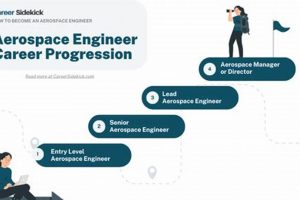
The field provides ample opportunities for career progression. Advancement can occur through specialization, leadership roles, project management, or transitioning to higher-level engineering positions based on performance and experience.
Question 3: What skills are most valued by employers in the aerospace industry?
Employers prioritize candidates with strong analytical skills, problem-solving abilities, proficiency in relevant software tools, and effective communication skills. Practical experience gained through internships and research projects is also highly valued.
Question 4: Is a graduate degree necessary to succeed in aerospace engineering?
While a bachelor’s degree can provide entry into certain roles, a graduate degree can significantly enhance career prospects and open doors to more advanced positions in research, design, and management.
Question 5: What are the most promising areas of growth within the aerospace field?
Areas such as sustainable aviation, space exploration, autonomous systems, and advanced materials are experiencing significant growth, offering opportunities for innovation and specialization.
Question 6: What is the job outlook for aerospace engineers in the coming years?
The job outlook for aerospace engineers remains positive, driven by continued investment in aerospace technology, defense, and space exploration. However, specific employment trends may vary based on economic conditions and government funding.
In summary, a career in aerospace engineering offers diverse opportunities and the potential for long-term professional growth. Success requires a combination of technical expertise, practical experience, and strong interpersonal skills.
The subsequent section will provide a concluding summary of key aspects discussed in this document.
Career Options for Aerospace Engineering
The exploration of career options for aerospace engineering reveals a diverse and challenging landscape for aspiring professionals. From design and research to manufacturing and academia, the field encompasses a wide range of specializations that contribute to the advancement of air and space travel. A comprehensive understanding of these opportunities, coupled with the acquisition of relevant skills and experience, is essential for successful navigation within this dynamic industry.
The ongoing evolution of aerospace technology, driven by innovation and societal needs, ensures continued demand for skilled engineers. A commitment to lifelong learning, coupled with a proactive approach to career development, will position individuals for success in this vital and impactful field. The future of aerospace engineering hinges on the dedication and expertise of its practitioners.