These positions involve applying engineering principles to design, develop, test, and maintain aircraft, spacecraft, missiles, and related systems for defense purposes. An example would be an engineer specializing in propulsion systems for fighter jets or designing satellite communication networks.
Such roles are critical for national security, providing technological superiority and enabling effective defense strategies. They offer valuable experience in advanced technologies and contribute significantly to advancements in aerospace science, benefiting both military and civilian sectors. Throughout history, these positions have been instrumental in shaping air power and space exploration capabilities.
The following sections will explore specific career paths, required qualifications, typical responsibilities, and the impact these professionals have on national defense and technological innovation.
The following provides guidance for those seeking a fulfilling career in the application of aerospace engineering principles within military contexts.
Tip 1: Obtain a Relevant Degree: A bachelor’s or master’s degree in aerospace engineering, mechanical engineering, or a related field is generally a prerequisite. Specialization in areas like aerodynamics, propulsion, or structural analysis can be advantageous.
Tip 2: Seek Internships or Co-ops: Practical experience gained through internships or cooperative education programs with defense contractors or government agencies provides valuable insights and establishes professional networks.
Tip 3: Understand Security Clearance Requirements: Many such roles require a security clearance. Investigate the clearance process and address potential issues early in the application process.
Tip 4: Develop Strong Analytical Skills: The ability to analyze complex data, interpret technical documents, and solve intricate engineering problems is essential. Coursework and projects that emphasize critical thinking are beneficial.
Tip 5: Cultivate Effective Communication Skills: Collaboration with multidisciplinary teams is common. Clearly communicating technical concepts, both verbally and in writing, is vital for success.
Tip 6: Research Specific Branches and Roles: Each branch of the military has distinct needs and specializations. Identifying specific areas of interest, such as aircraft design within the Air Force or missile defense within the Army, allows for targeted preparation.
Tip 7: Maintain Physical Fitness: Some roles may require meeting physical fitness standards. Understanding the requirements of a particular position and maintaining a healthy lifestyle can be advantageous.
By focusing on these areas, individuals can significantly enhance their prospects for pursuing a successful and impactful career in applying engineering expertise to military aerospace applications.
The subsequent sections will delve into the specific responsibilities and long-term career trajectory of aerospace engineers serving in the armed forces.
1. Design Innovation

Within the realm of military aerospace engineering, design innovation forms the bedrock upon which technological superiority is built. It represents the continuous pursuit of enhanced performance, efficiency, and adaptability in aerospace systems, directly impacting the effectiveness of military operations.
- Advanced Aerodynamics
This facet involves the development of novel wing designs, control surfaces, and airframe configurations to improve aircraft speed, maneuverability, and fuel efficiency. Examples include blended wing body designs for reduced drag or active flow control systems for enhanced lift. Their integration is pivotal for maintaining air superiority in contested environments.
- Stealth Technology
Design innovation in stealth focuses on minimizing the radar cross-section and infrared signature of aircraft and missiles. This involves shaping the airframe, utilizing radar-absorbing materials, and managing heat emissions. The effectiveness of stealth designs directly impacts the survivability and operational success of military platforms.
- Hypersonic Systems
The development of hypersonic vehicles presents significant design challenges related to thermal management, propulsion, and control at extreme speeds. Innovative materials, advanced engine cycles, and sophisticated guidance systems are essential. Hypersonic capabilities offer the potential for rapid global strike and reconnaissance missions.
- Autonomous Systems
Integrating autonomy into aerospace designs involves developing algorithms and sensors that enable aircraft to operate independently, perform complex tasks, and adapt to changing environments. This includes unmanned aerial vehicles (UAVs) capable of surveillance, reconnaissance, and combat roles. Autonomous systems are poised to revolutionize military aerospace operations by reducing risk and increasing efficiency.
These design innovations, driven by the expertise of aerospace engineers, contribute directly to the evolution of military technology. The ability to develop and deploy cutting-edge aerospace systems is essential for maintaining a strategic advantage and ensuring national security.
2. Systems Integration
Within aerospace engineering positions in the military, systems integration is a central and indispensable element. It represents the complex process of combining diverse components and subsystems into a unified and functional aerospace platform. The effectiveness of an aircraft or spacecraft is not solely dependent on individual component performance but rather on the ability of these components to operate harmoniously. Failure in systems integration can result in catastrophic failures, reduced operational efficiency, or vulnerabilities to enemy countermeasures. For example, integrating a new radar system into an existing fighter jet requires careful consideration of power requirements, data processing capabilities, aerodynamic impact, and compatibility with existing avionics. The practical significance of understanding systems integration lies in its direct impact on mission success and the safety of personnel.
Military aerospace systems present unique challenges for systems integration due to stringent performance requirements, demanding environmental conditions, and the need for secure communication and control. Consider the development of an integrated missile defense system. Such a system requires seamlessly coordinating radar networks, satellite communications, interceptor missiles, and command-and-control centers. Each of these elements must function flawlessly together to detect, track, and engage incoming threats. Successful integration necessitates rigorous testing and validation procedures, along with expertise in diverse engineering disciplines, including electronics, software, mechanical engineering, and cybersecurity. Furthermore, maintaining the operational readiness of aging military aerospace systems often requires intricate retrofitting and integration of new technologies with legacy systems, demanding specialized skills and knowledge.
In summary, systems integration is a critical facet of aerospace engineering roles within the military. It ensures that complex aerospace systems function effectively as cohesive units, contributing directly to national security and defense capabilities. The challenges inherent in integrating diverse technologies under demanding conditions require highly skilled engineers with a comprehensive understanding of aerospace principles and systems engineering methodologies. Continuous innovation in systems integration techniques remains essential for maintaining a technological edge in the face of evolving threats.
3. Testing and Evaluation

Testing and Evaluation (T&E) is a critical function directly related to aerospace engineering jobs within the military sector. It represents a systematic process of assessing the performance, reliability, and safety of aerospace systems and components under simulated and operational conditions. This process is essential for validating design specifications, identifying potential flaws, and ensuring that military aerospace platforms meet stringent requirements for mission success. The role of aerospace engineers in T&E involves designing test protocols, conducting experiments, analyzing data, and recommending design modifications or operational procedures to improve system performance.
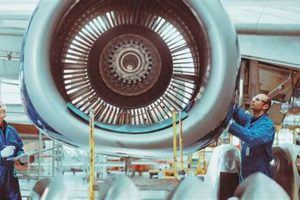
The importance of T&E within military aerospace engineering is underscored by the potential consequences of system failures during operational deployment. For example, rigorous testing of a new missile defense system is crucial to verify its ability to intercept incoming threats effectively. This involves simulating various attack scenarios, evaluating the system’s tracking accuracy, and assessing the reliability of its interceptor missiles. Similarly, thorough testing of aircraft engines is essential to ensure their performance and durability under extreme conditions of altitude, temperature, and stress. Real-world examples, such as the extensive flight testing programs conducted for new fighter aircraft, demonstrate the practical application of T&E in validating system capabilities and identifying areas for improvement. These rigorous tests provide critical data to refine designs and operational procedures before deployment.
In conclusion, Testing and Evaluation is an indispensable aspect of aerospace engineering jobs in the military. It provides the necessary data and analysis to validate designs, identify vulnerabilities, and ensure the reliability and safety of aerospace systems. The insights gained from T&E directly contribute to improved operational effectiveness and enhanced national security. As technology continues to advance, the challenges associated with testing increasingly complex aerospace systems will require highly skilled engineers with expertise in experimental design, data analysis, and systems engineering.
4. Research and Development

Research and Development (R&D) forms a critical pillar of military aerospace engineering. It represents the systematic investigation and experimentation aimed at discovering new scientific and technical knowledge, and subsequently, creating new or improved aerospace systems and technologies. This activity is fundamental for maintaining a technological advantage over potential adversaries. Aerospace engineering positions within the military inherently involve R&D, as engineers are tasked with not only applying existing technologies but also pushing the boundaries of what is possible in flight, propulsion, materials, and related fields. The Department of Defense (DoD) and its various research agencies, such as DARPA, heavily rely on aerospace engineers to conduct this vital work.
The importance of R&D within this domain stems from its direct impact on national security. Advanced aircraft, missile defense systems, and satellite technologies all originate from focused R&D efforts. For example, the development of stealth technology, crucial for modern combat aircraft, required extensive research in materials science, aerodynamics, and radar cross-section reduction. Similarly, the ongoing development of hypersonic weapons relies on R&D breakthroughs in propulsion systems and high-temperature materials. Without a strong commitment to R&D, a nation risks falling behind in the technological arms race, potentially compromising its defense capabilities. The practical application of this understanding lies in the strategic allocation of resources to support R&D initiatives and attract talented aerospace engineers to work on cutting-edge projects.
In summary, Research and Development is inextricably linked to aerospace engineering jobs within the military. It is the driving force behind technological innovation and is essential for maintaining a robust defense posture. The continuous pursuit of new knowledge and the development of advanced aerospace systems are paramount for ensuring national security. Challenges exist in effectively translating research findings into deployable technologies and in attracting and retaining qualified aerospace engineers. Addressing these challenges through strategic investment and effective workforce development is crucial for maintaining a technological edge in the 21st century.
5. Maintenance Operations
Maintenance operations are an integral facet of aerospace engineering jobs within the military. They represent the activities necessary to ensure that aerospace systems remain operational, safe, and effective throughout their lifecycle. These operations encompass a wide range of tasks, from routine inspections and preventative maintenance to complex repairs and system upgrades. Effective maintenance is paramount for maximizing the availability of military aircraft, spacecraft, and related equipment, contributing directly to operational readiness and mission success.
- Scheduled Maintenance
This facet involves performing routine inspections, servicing, and component replacements based on predetermined intervals or usage hours. Scheduled maintenance aims to prevent failures and extend the lifespan of aerospace systems. For example, aircraft undergo periodic inspections to check for structural damage, corrosion, and wear on critical components. These inspections are essential for identifying and addressing potential problems before they lead to catastrophic failures. Effective scheduled maintenance programs require detailed planning, precise execution, and accurate record-keeping.
- Unscheduled Maintenance
Unscheduled maintenance addresses unexpected failures or malfunctions that require immediate attention. These events can range from minor component replacements to extensive repairs following accidents or combat damage. Aerospace engineers play a crucial role in diagnosing problems, developing repair procedures, and ensuring that repairs meet stringent safety standards. For example, if an aircraft experiences an engine failure, aerospace engineers must determine the cause of the failure, assess the extent of the damage, and oversee the repair or replacement of the engine. Efficient and effective unscheduled maintenance is critical for minimizing downtime and maintaining operational capabilities.
- Overhaul and Upgrade
Overhaul and upgrade operations involve disassembling, inspecting, repairing, and reassembling aerospace systems to restore them to their original performance specifications or to incorporate new technologies. These operations are typically performed on major components, such as engines, avionics systems, and airframes. Aerospace engineers are responsible for developing overhaul procedures, designing upgrades, and ensuring that all work meets rigorous quality control standards. For example, upgrading the avionics of an aging aircraft can significantly enhance its capabilities and extend its operational lifespan. These operations require specialized skills and expertise in materials science, manufacturing processes, and systems engineering.
- Supply Chain Management
Effective maintenance operations rely on a robust supply chain to ensure that spare parts, tools, and equipment are readily available when needed. Aerospace engineers work closely with logistics specialists to forecast demand, manage inventory levels, and coordinate the procurement and delivery of necessary materials. A well-managed supply chain minimizes downtime, reduces costs, and ensures that maintenance personnel have the resources they need to perform their jobs effectively. For example, maintaining an adequate supply of critical engine components is essential for supporting the operational readiness of military aircraft. Effective supply chain management requires sophisticated inventory control systems and close collaboration between engineers, logisticians, and suppliers.
In conclusion, maintenance operations are a vital aspect of aerospace engineering jobs in the military. They ensure that aerospace systems remain operational, safe, and effective throughout their lifecycle, contributing directly to mission success and national security. The various facets of maintenance operations, from scheduled inspections to complex repairs and system upgrades, require highly skilled aerospace engineers with expertise in diverse areas of engineering. Continuous improvement in maintenance techniques and technologies is essential for maximizing the availability and performance of military aerospace assets.
6. Technological Advancement
Technological advancement is intrinsically linked to aerospace engineering jobs in the military, serving as both a driver and a consequence of activities within this domain. Positions held by aerospace engineers within the armed forces directly contribute to the development of advanced aerospace systems, materials, and technologies. These advancements, in turn, shape military capabilities and influence strategic advantages. Cause-and-effect relationships are evident in areas such as propulsion, where innovations in engine design lead to improved aircraft performance, or in materials science, where the creation of lighter, stronger composites enhances airframe durability and reduces weight. The importance of technological advancement within this field cannot be overstated; it is the foundation upon which military superiority is built. Examples include the development of stealth technology, which has revolutionized aerial warfare, or the creation of satellite-based communication and surveillance systems, which provide critical intelligence and enable global operations.
Practical application of this understanding manifests in several ways. Military organizations invest heavily in research and development programs to foster technological innovation. Aerospace engineers are at the forefront of these efforts, designing, testing, and implementing cutting-edge technologies. The development of unmanned aerial vehicles (UAVs), for instance, has transformed reconnaissance and strike capabilities, providing a safer and more efficient alternative to manned aircraft in certain scenarios. Furthermore, the integration of artificial intelligence and machine learning into aerospace systems is creating new possibilities for autonomous flight, data analysis, and decision-making. These advancements not only improve military effectiveness but also have spillover effects in civilian sectors, driving innovation in areas such as commercial aviation and space exploration.
In summary, technological advancement is a fundamental component of aerospace engineering positions within the military. It is a continuous cycle of innovation, where engineering expertise drives the development of new technologies, which in turn enhance military capabilities and contribute to national security. Challenges remain in maintaining a technological edge in the face of rapidly evolving threats and in effectively translating research findings into deployable systems. Nevertheless, the commitment to technological advancement remains a cornerstone of military aerospace engineering, ensuring that armed forces possess the most advanced and effective aerospace capabilities available.
7. Strategic Implications

The decisions made in aerospace engineering roles within the military directly influence a nation’s strategic posture and ability to project power. These positions are not solely concerned with technical specifications; they involve understanding the broader impact of technology on geopolitical dynamics. The capabilities of military aircraft, spacecraft, and missile systems, all products of aerospace engineering, determine a nation’s ability to deter aggression, conduct surveillance, and respond to threats globally. For example, the development of long-range strike aircraft allows a nation to reach distant targets, while advanced satellite systems provide critical intelligence and communication capabilities. Understanding the strategic ramifications of these technological advancements is an integral part of the engineer’s responsibility.
Furthermore, consider the strategic implications of maintaining technological superiority in aerospace systems. A nation possessing advanced stealth aircraft or sophisticated missile defense systems gains a significant advantage in potential conflicts. This advantage can deter adversaries from taking hostile actions or provide a decisive edge in combat. Moreover, the development of new aerospace technologies can shift the balance of power in international relations, requiring nations to adapt their defense strategies and diplomatic approaches. The ongoing competition in hypersonic weapons development is a prime example of how aerospace engineering drives strategic competition among major powers. Military planners need to ensure that those responsible for engineering are aware of the strategic effect of their work.
In summary, the connection between aerospace engineering jobs in the military and strategic implications is profound. Decisions made in design, development, and deployment of aerospace systems have far-reaching consequences for national security and international relations. Military organizations must cultivate a strategic mindset among their aerospace engineers, ensuring they understand the broader context of their work and the impact it has on the global stage. The challenges associated with balancing technological innovation with strategic considerations require skilled professionals who can bridge the gap between engineering expertise and geopolitical realities.
Frequently Asked Questions
The following addresses common inquiries regarding career opportunities involving aerospace engineering within the armed forces.
Question 1: What educational qualifications are typically required for an aerospace engineering role within the military?
A bachelor’s or master’s degree in aerospace engineering, or a closely related field such as mechanical engineering, is generally required. Specific roles may necessitate specialized knowledge in areas such as aerodynamics, propulsion, or structural analysis.
Question 2: Are security clearances necessary for these positions?
In most cases, a security clearance is required, ranging from Secret to Top Secret, depending on the sensitivity of the work. Background checks and investigations are conducted to determine eligibility for clearance.
Question 3: What types of projects might an aerospace engineer work on in the military?
Project types vary widely but may include designing new aircraft, developing missile systems, working on satellite technology, improving existing aerospace platforms, and conducting research and development in related areas.
Question 4: How does military experience in aerospace engineering translate to civilian career opportunities?
Experience gained in the military is highly valued in the civilian sector. Skills and experience in areas such as project management, systems engineering, and technical problem-solving are directly transferable to aerospace companies, government agencies, and research institutions.
Question 5: Are there opportunities for continuing education or professional development within the military?
The military offers various opportunities for continuing education, including advanced degree programs, specialized training courses, and professional certifications. These programs are designed to enhance the skills and knowledge of aerospace engineers and prepare them for leadership roles.
Question 6: What are the physical requirements for aerospace engineering positions in the military?
While most roles are primarily analytical, some positions may require meeting specific physical fitness standards. This is especially true for engineers who may be involved in field testing or operational support. Specific requirements vary depending on the branch of service and the nature of the job.
In summary, aerospace engineering careers within the military offer challenging and rewarding opportunities for individuals with the requisite skills and education. These positions play a vital role in national security and provide valuable experience applicable to both military and civilian sectors.
The following section will provide a concluding summary of the key aspects discussed in this article.
Aerospace Engineering Jobs in the Military
This exploration has illuminated the critical role of aerospace engineering expertise within the military domain. Key points include the multifaceted nature of these positions, encompassing design innovation, systems integration, rigorous testing, and dedicated research and development. Moreover, the stringent demands of maintenance operations and the perpetual pursuit of technological advancement were underscored, alongside the inherent strategic implications of this field. The understanding of these elements are foundational.
As technology continues to evolve, the demand for skilled aerospace engineers within the military will persist. Individuals seeking a career path at the intersection of engineering and national service are encouraged to consider these opportunities, recognizing their profound impact on global security and technological progress. The effective application of aerospace engineering principles remains paramount for maintaining a robust defense and ensuring future dominance in air and space.