The pursuit of a vocation in aerospace engineering involves designing, developing, testing, and maintaining aircraft, spacecraft, satellites, and related systems. This field blends principles from mathematics, physics, and engineering disciplines to create innovative solutions for air and space travel. The decision to enter this field warrants careful consideration of its inherent challenges and rewards.
A significant benefit of this career path lies in its potential for substantial impact on technological advancement and scientific discovery. Aerospace engineers contribute to projects ranging from commercial aviation and national defense to space exploration and climate monitoring. Historically, this field has driven innovation, leading to breakthroughs in materials science, propulsion systems, and communication technologies.
The subsequent sections will explore factors relevant to evaluating the merits of an aerospace engineering career, encompassing job market prospects, compensation levels, educational requirements, and the nature of daily responsibilities.
Evaluating the Aerospace Engineering Career Path
This section provides essential considerations for individuals contemplating a career in aerospace engineering, emphasizing practical aspects for informed decision-making.
Tip 1: Assess Aptitude in STEM Fields: Success in aerospace engineering necessitates a strong foundation in science, technology, engineering, and mathematics. Evaluate proficiency in these areas through academic performance and personal interest.
Tip 2: Research Job Market Trends: The demand for aerospace engineers fluctuates based on industry trends and government spending. Analyze current job market projections and identify areas of specialization with growth potential, such as unmanned aerial vehicles (UAVs) or sustainable aviation technologies.
Tip 3: Understand Educational Requirements: A bachelor’s degree in aerospace engineering or a closely related field is generally required. Some positions, particularly those involving research or leadership roles, may necessitate a master’s degree or doctorate.
Tip 4: Consider Specialization Options: Aerospace engineering encompasses various specializations, including aerodynamics, propulsion, structures, and avionics. Investigate different specializations to align career goals with personal interests and skills.
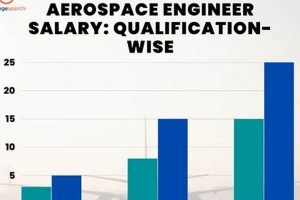
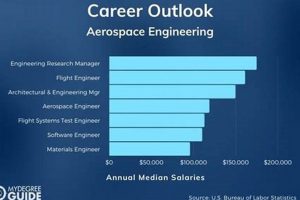
Tip 5: Evaluate Salary Expectations: Compensation in aerospace engineering varies based on experience, education, specialization, and location. Research average salary ranges for specific roles and geographic areas to establish realistic financial expectations.
Tip 6: Explore Internship Opportunities: Gaining practical experience through internships is crucial for career advancement. Seek internship opportunities with aerospace companies, government agencies, or research institutions to develop technical skills and professional networks.
Tip 7: Develop Strong Communication Skills: Aerospace engineers collaborate with multidisciplinary teams and communicate complex technical information. Cultivate strong written and oral communication skills through coursework, presentations, and teamwork experiences.
Careful consideration of aptitude, market trends, education, specialization, salary, internships, and communication skills can help prospective aerospace engineers determine if this career path aligns with their goals and capabilities.
The subsequent section will address the advantages and disadvantages associated with pursuing a career in aerospace engineering.
1. Intellectual Stimulation

Aerospace engineering inherently offers a high degree of intellectual stimulation, a factor crucial in determining its suitability as a career. The field demands continuous learning and problem-solving, confronting engineers with complex challenges related to aerodynamics, propulsion, materials science, and control systems. The constant pursuit of innovation, aimed at improving aircraft performance, space exploration capabilities, or satellite technology, ensures ongoing cognitive engagement. This intellectual demand acts as a significant motivator for many professionals, directly impacting their career satisfaction. For instance, designing a more fuel-efficient aircraft wing requires engineers to apply principles of fluid dynamics and thermodynamics, along with advanced computational modeling techniques, forcing them to constantly refine their understanding and skills.
The connection between intellectual stimulation and career fulfillment in aerospace engineering is further solidified by the field’s dynamic nature. New technologies and emerging applications, such as hypersonic flight, electric propulsion, and space tourism, require engineers to adapt and acquire new knowledge continuously. This necessitates a proactive approach to professional development, including engaging in research, attending conferences, and pursuing advanced degrees. The practical application of theoretical concepts to real-world problems, like developing a robotic arm for a Mars rover or optimizing the trajectory of a satellite, provides tangible results that contribute to a sense of accomplishment and intellectual growth.
In conclusion, the high degree of intellectual stimulation offered by aerospace engineering is a significant factor in its overall appeal as a career. It provides ongoing challenges, fosters continuous learning, and allows engineers to contribute to cutting-edge advancements. While the intellectual demands can be rigorous, the potential for personal and professional growth, coupled with the impact on society, makes this field particularly rewarding for individuals with a strong aptitude for STEM disciplines and a desire for continuous intellectual engagement. However, individuals uninterested in constant learning and complex problem-solving may find the field less appealing.
2. High Earning Potential

The potential for high earnings significantly influences the perception of aerospace engineering as a desirable career. Compensation in this field often reflects the specialized knowledge, technical skills, and demanding nature of the work. Individuals with advanced degrees or expertise in high-demand areas, such as propulsion systems or autonomous aircraft, typically command higher salaries. The aerospace industry’s reliance on sophisticated technology and its contributions to national security and economic development contribute to the sustained value placed on skilled engineers. For instance, engineers working on advanced satellite systems or developing new aircraft designs are often highly compensated due to the complexity and criticality of their roles. High earning potential directly contributes to the overall attractiveness of aerospace engineering, serving as a motivator for individuals to pursue this challenging but rewarding profession.
The link between compensation and career satisfaction is further strengthened by the benefits packages and opportunities for professional development commonly offered within the aerospace sector. Many companies provide comprehensive health insurance, retirement plans, and stock options, enhancing the overall financial security of their employees. Moreover, the industry often invests in employee training and education, enabling engineers to acquire new skills and advance their careers. This combination of competitive salaries and comprehensive benefits contributes to a positive work environment and enhances employee retention. An engineer involved in the design of a next-generation commercial airliner, for example, may not only receive a high salary but also benefit from opportunities to attend industry conferences, participate in specialized training programs, and potentially earn promotions to leadership roles within the company.
In conclusion, the high earning potential within aerospace engineering significantly contributes to its overall appeal as a career choice. This potential stems from the complex and specialized nature of the work, the industry’s reliance on advanced technology, and the importance of aerospace to national security and economic growth. While compensation alone does not guarantee career satisfaction, the combination of competitive salaries, comprehensive benefits, and opportunities for professional development makes aerospace engineering a financially rewarding profession for those with the necessary skills and dedication. However, it is important to acknowledge that high earning potential often correlates with demanding work schedules and a need for continuous professional development.
3. Significant Impact
The concept of “significant impact” is central to assessing the value of aerospace engineering as a career. It encompasses the tangible contributions engineers make to technological advancement, societal progress, and national security. The ability to directly influence these areas often serves as a primary motivator for individuals pursuing this profession.
- Advancement of Scientific Knowledge
Aerospace engineers contribute directly to expanding the boundaries of scientific knowledge through the design and development of space exploration technologies. Satellites, probes, and manned spacecraft allow scientists to study the Earth, the solar system, and the universe, gathering data that informs our understanding of fundamental scientific principles. The development of advanced telescopes, for example, relies heavily on aerospace engineering expertise to overcome atmospheric distortions and facilitate deep-space observation, leading to new discoveries in astronomy and astrophysics.
- Improvement of Global Communication and Navigation
Satellite technology, designed and implemented by aerospace engineers, plays a critical role in enabling global communication and navigation systems. Communication satellites facilitate international telephone calls, television broadcasts, and internet access, connecting people across vast distances. Global Positioning System (GPS) satellites provide accurate location data used in a wide range of applications, from transportation and logistics to emergency services and environmental monitoring. These technologies have transformed the way people live, work, and interact, demonstrating the broad societal impact of aerospace engineering.
- Enhancement of National Security
Aerospace engineers contribute to national security through the design, development, and maintenance of advanced military aircraft, missile systems, and surveillance technologies. These systems are critical for protecting national borders, deterring aggression, and maintaining strategic advantage. The development of unmanned aerial vehicles (UAVs) for reconnaissance and surveillance, for example, allows for safer and more effective data gathering in hazardous environments, improving situational awareness and decision-making capabilities for military personnel.
- Development of Sustainable Technologies
Aerospace engineers are increasingly focused on developing sustainable technologies aimed at reducing the environmental impact of air travel and space exploration. This includes research into alternative fuels, more efficient engine designs, and lighter materials to reduce fuel consumption and emissions. The development of electric aircraft and hybrid propulsion systems represents a significant step toward reducing the carbon footprint of the aviation industry. Additionally, aerospace engineers are working on ways to mitigate space debris and develop more sustainable practices for space exploration, ensuring the long-term viability of space activities.
The multifaceted “significant impact” achieved through aerospace engineering underscores its value as a career. From advancing scientific knowledge and improving global communication to enhancing national security and promoting sustainable technologies, aerospace engineers play a critical role in shaping the future of society. The ability to contribute to these important areas makes aerospace engineering a highly rewarding and impactful profession.
4. Market Demand

Market demand functions as a crucial indicator in determining the viability of aerospace engineering as a career path. Employment prospects and career stability within the field are directly influenced by the prevailing demand for skilled professionals. Positive market conditions typically reflect increased funding for aerospace projects, expansion within the commercial aviation sector, and governmental investment in space exploration and defense initiatives. A robust market demand translates to a greater availability of job opportunities, competitive salaries, and enhanced career advancement prospects. Conversely, a downturn in market demand can lead to reduced hiring, potential job losses, and a decline in overall career security. Therefore, understanding current and projected market trends is essential for individuals considering a career in aerospace engineering.
The state of the aerospace engineering job market is shaped by various factors, including technological advancements, economic conditions, and geopolitical events. For example, the growing demand for unmanned aerial vehicles (UAVs) has created new opportunities for engineers specializing in autonomous systems and robotics. Similarly, the increasing focus on sustainable aviation has fueled demand for engineers with expertise in alternative fuels and fuel-efficient aircraft designs. Economic recessions, however, can lead to budget cuts in government-funded aerospace programs and a slowdown in commercial aviation, resulting in reduced hiring. Geopolitical tensions, on the other hand, may stimulate demand for engineers in the defense sector. Prospective aerospace engineers must therefore remain informed about these influencing factors and adapt their skills and specializations accordingly to align with evolving market needs. This could include specializing in areas such as cybersecurity for aviation systems or advanced materials for spacecraft, depending on anticipated future demands.
In conclusion, market demand represents a primary consideration when evaluating aerospace engineering as a career. Its impact on job availability, compensation, and career progression is undeniable. While the aerospace industry is subject to cyclical fluctuations and external influences, a proactive approach to understanding market trends and acquiring in-demand skills can significantly enhance career prospects. Individuals considering this field should continuously monitor industry forecasts, pursue relevant certifications, and network with professionals to navigate the dynamic landscape of aerospace engineering and maximize their career potential.
5. Education Rigor
The demanding nature of aerospace engineering education significantly shapes the perception of its viability as a career. The curriculum, typically encompassing advanced mathematics, physics, and specialized engineering principles, necessitates a strong commitment to academic pursuits. Foundational coursework in areas such as fluid dynamics, thermodynamics, structural analysis, and control systems requires a high degree of analytical and problem-solving aptitude. The ability to synthesize complex information and apply it to practical design challenges is essential for success. The rigor of this academic preparation directly impacts an individual’s readiness for the demands of the profession and the potential for long-term career satisfaction.
The practical application of theoretical knowledge through laboratory experiments, design projects, and internships further contributes to the rigor of aerospace engineering education. Students are often required to design, build, and test aerospace components or systems, simulating real-world engineering scenarios. These hands-on experiences reinforce theoretical concepts and develop essential skills in teamwork, communication, and project management. For example, a student team designing a small-scale wind tunnel must apply principles of aerodynamics, structural mechanics, and instrumentation to create a functional and accurate testing apparatus. The successful completion of such projects demonstrates the ability to translate theoretical knowledge into tangible outcomes, a critical skill for aerospace engineers. Furthermore, internships within aerospace companies or research institutions provide valuable industry exposure and allow students to apply their knowledge in a professional setting. The intensity of these experiences, coupled with the high academic standards, prepares graduates for the challenges and expectations of the aerospace industry.
In conclusion, the stringent educational requirements of aerospace engineering serve as both a filter and a foundation for a successful career. While the demanding curriculum and rigorous training may present challenges, they also equip graduates with the technical expertise, problem-solving skills, and practical experience necessary to excel in this field. For individuals who thrive in intellectually stimulating and technically challenging environments, the rigorous education inherent in aerospace engineering can be a significant factor contributing to its overall appeal as a career path. However, the time commitment, academic aptitude and workload should be thoroughly considered.
6. Constant Evolution
The persistent state of evolution within aerospace engineering fundamentally influences its desirability as a career. This dynamic environment necessitates continuous learning and adaptation, impacting job satisfaction, skill relevance, and long-term career prospects.
- Technological Advancements
Rapid technological advancements are inherent to aerospace engineering, demanding that professionals continually update their skills. Developments in areas such as artificial intelligence, advanced materials, and additive manufacturing require engineers to master new tools and methodologies. An aerospace engineer working on aircraft design, for example, must adapt to utilize new composite materials that enhance fuel efficiency and structural integrity. This continuous learning curve directly affects career satisfaction and long-term employability.
- Changing Industry Standards
Industry standards and regulatory requirements in aerospace are subject to frequent revisions, necessitating engineers to stay informed of the latest protocols and best practices. Compliance with evolving safety regulations and environmental standards is crucial for ensuring the integrity and sustainability of aerospace operations. An engineer responsible for satellite deployment, for example, must adhere to updated guidelines for space debris mitigation. The ability to adapt to these changing standards is essential for maintaining professional competence and ensuring the safety and reliability of aerospace systems.
- Emerging Fields of Specialization
The field of aerospace engineering encompasses a wide array of specializations, with new areas emerging in response to evolving technological and societal needs. The development of commercial spaceflight, autonomous aerial vehicles, and sustainable propulsion systems creates opportunities for engineers to specialize in cutting-edge fields. An aerospace engineer focusing on hypersonic flight, for example, must possess expertise in high-speed aerodynamics and advanced thermal management techniques. Embracing these emerging fields allows engineers to remain competitive and contribute to groundbreaking innovations.
- Interdisciplinary Collaboration
Aerospace engineering increasingly involves collaboration with professionals from diverse disciplines, including computer science, materials science, and environmental engineering. The integration of these fields requires engineers to possess strong communication and teamwork skills, as well as an understanding of interdisciplinary concepts. An aerospace engineer designing a Mars rover, for example, must collaborate with geologists, biologists, and robotics experts to ensure the successful completion of the mission. The ability to work effectively in interdisciplinary teams is essential for addressing complex challenges and driving innovation in aerospace engineering.
The constant evolution of aerospace engineering presents both challenges and opportunities for professionals in the field. While continuous learning and adaptation are necessary for maintaining competence, the dynamic nature of the industry also provides opportunities for intellectual stimulation, career advancement, and contributions to groundbreaking innovations. Individuals who thrive in environments of constant change and possess a strong commitment to lifelong learning are likely to find aerospace engineering a fulfilling and rewarding career.
7. Job Satisfaction

Job satisfaction, a critical determinant of career longevity and overall well-being, holds particular relevance within aerospace engineering. The demanding nature of the profession necessitates a consideration of factors contributing to a sense of fulfillment and purpose.
- Intellectual Challenge and Engagement
Aerospace engineering intrinsically presents continuous intellectual challenges. Problem-solving, innovation, and the application of complex scientific principles provide stimulation. Engineers engaged in projects ranging from designing fuel-efficient aircraft to developing advanced satellite systems report satisfaction derived from overcoming technical hurdles and contributing to cutting-edge advancements. The degree of intellectual engagement directly influences the perceived value of the career.
- Tangible Contributions to Societal Advancement
The ability to contribute to societal advancement is a significant source of job satisfaction for aerospace engineers. Work involving the development of sustainable technologies, improved transportation systems, or enhanced communication networks provides a sense of purpose beyond financial compensation. For example, engineers involved in designing electric propulsion systems for aircraft directly contribute to reducing the environmental impact of aviation, enhancing their feeling of professional fulfillment.
- Recognition and Professional Growth Opportunities
Opportunities for professional growth and recognition within the field also impact job satisfaction. Access to advanced training, opportunities to present research findings, and advancement to leadership roles foster a sense of value and accomplishment. Engineers who are recognized for their contributions through awards, promotions, or leadership opportunities are more likely to experience higher levels of job satisfaction. The availability of these opportunities signals a supportive and growth-oriented work environment, further contributing to overall career fulfillment.
- Work-Life Balance Considerations
Work-life balance significantly impacts job satisfaction. The aerospace industry can be demanding, often requiring long hours and travel. Companies that prioritize employee well-being by offering flexible work arrangements, generous leave policies, and support for personal and family needs tend to have higher levels of employee satisfaction. The ability to maintain a healthy balance between professional responsibilities and personal life is crucial for preventing burnout and fostering a sense of overall well-being, directly influencing the sustainability of a career in aerospace engineering.
In conclusion, job satisfaction in aerospace engineering is multifaceted, encompassing intellectual engagement, tangible contributions to society, recognition and professional growth, and a healthy work-life balance. These elements, when favorably aligned, significantly enhance the perception of aerospace engineering as a fulfilling and worthwhile career. Consideration of these factors is crucial for individuals contemplating entry into this demanding yet potentially rewarding field.
Frequently Asked Questions
The following section addresses common inquiries regarding the pursuit of a career in aerospace engineering, providing factual information to assist in informed decision-making.
Question 1: What are the typical educational requirements for a career in aerospace engineering?
A bachelor’s degree in aerospace engineering or a closely related field, such as mechanical engineering with an aerospace concentration, is generally required for entry-level positions. Advanced roles, particularly in research and development, may necessitate a master’s degree or a doctorate.
Question 2: What is the average salary for an aerospace engineer?
Salaries vary based on experience, education, specialization, and geographic location. However, the median annual salary for aerospace engineers is typically higher than the national average for all occupations. Specific salary data can be obtained from reputable sources such as the U.S. Bureau of Labor Statistics.
Question 3: What skills are essential for success in aerospace engineering?
Essential skills include a strong foundation in mathematics, physics, and engineering principles. Proficiency in computer-aided design (CAD) software, analytical problem-solving, and effective communication are also crucial.
Question 4: What are some common job titles in aerospace engineering?
Common job titles include aerospace engineer, astronautical engineer, aeronautical engineer, propulsion engineer, structural engineer, and flight test engineer. The specific responsibilities associated with each title vary based on the employer and the nature of the projects involved.
Question 5: What are the primary industries that employ aerospace engineers?
Aerospace engineers are employed in a variety of industries, including aerospace manufacturing, government agencies (such as NASA and the Department of Defense), research and development laboratories, and commercial airlines.
Question 6: What are the opportunities for career advancement in aerospace engineering?
Career advancement opportunities include specializing in a specific area of expertise, pursuing leadership roles within engineering teams, transitioning into project management positions, and conducting research to develop innovative technologies.
This FAQ section provides a concise overview of key considerations for prospective aerospace engineers. Further research and consultation with professionals in the field are recommended for a comprehensive understanding of the career path.
The subsequent section will provide a concluding summary of the key points discussed regarding the merits of an aerospace engineering career.
Conclusion
The preceding analysis has explored various facets of an aerospace engineering career to determine its suitability for prospective professionals. Factors examined included intellectual stimulation, earning potential, societal impact, market demand, educational rigor, continuous evolution, and job satisfaction. Each element contributes uniquely to the overall value proposition of this career path.
Ultimately, the decision of whether aerospace engineering is a good career remains a personal one, contingent on individual aptitudes, priorities, and long-term aspirations. Further investigation and direct engagement with the aerospace community are encouraged for those considering this challenging and impactful field.