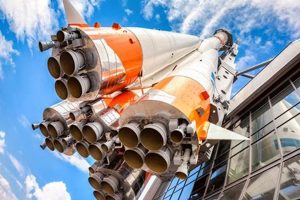
To practice aerospace engineering, a specific combination of education, skills, and personal attributes is generally necessary. These encompass academic qualifications, technical proficiencies, and soft skills that enable individuals to contribute effectively to the design, development, and testing of aircraft and spacecraft. For example, aspiring professionals usually need a solid foundation in mathematics and physics, coupled with the ability to work collaboratively in teams.
Meeting these specific benchmarks allows individuals to participate in shaping the future of flight and space exploration. Aerospace engineers contribute to innovations that improve air travel efficiency, develop advanced defense systems, and push the boundaries of space exploration. Historically, the field has been driven by advancements in materials science, propulsion systems, and control theory, each demanding specialized expertise from qualified professionals.
The following sections will detail the particular educational pathways, essential skills, and necessary certifications that typically comprise the profile of a successful aerospace engineer. A closer look at these distinct components will offer a clearer understanding of the career path and necessary preparation.
Essential Guidelines for Aspiring Aerospace Engineers
This section provides crucial recommendations for individuals pursuing a career in aerospace engineering. Adhering to these guidelines will maximize opportunities for success in this demanding yet rewarding field.
Tip 1: Solidify Foundational Knowledge: Mastering core scientific and mathematical principles is paramount. A strong understanding of physics, calculus, differential equations, and linear algebra provides the groundwork for advanced aerospace concepts. For example, proficiency in fluid dynamics is essential for understanding aerodynamic forces on aircraft.
Tip 2: Pursue Relevant Academic Credentials: A Bachelor’s degree in Aerospace Engineering or a closely related field (e.g., Mechanical Engineering with an aerospace focus) is generally considered the minimum educational requirement. Furthermore, a Master’s degree can provide a competitive advantage, especially for specialized roles.
Tip 3: Develop Proficiency in Engineering Software: Familiarity with Computer-Aided Design (CAD) software, Finite Element Analysis (FEA) tools, and Computational Fluid Dynamics (CFD) software is essential. Experience with software such as CATIA, ANSYS, and MATLAB is highly valued by employers.
Tip 4: Cultivate Strong Problem-Solving Abilities: Aerospace engineering inherently involves complex challenges. Honing analytical and problem-solving skills is crucial. This can be achieved through coursework, research projects, and internships.
Tip 5: Gain Practical Experience Through Internships: Internships provide invaluable real-world experience. Seeking internships at aerospace companies or research institutions allows individuals to apply their knowledge and develop practical skills.
Tip 6: Enhance Communication Skills: Aerospace engineers must effectively communicate technical information to colleagues, clients, and stakeholders. Developing strong written and verbal communication skills is crucial for conveying ideas and collaborating effectively.
Tip 7: Maintain a Commitment to Lifelong Learning: The field of aerospace engineering is constantly evolving. Remaining current with advancements in technology and research is essential for long-term career success. Participation in professional development courses and conferences is recommended.
These recommendations highlight the importance of a strong educational foundation, practical experience, and continuous learning. By focusing on these key areas, aspiring professionals can position themselves for a successful and impactful career in aerospace engineering.
The subsequent section will outline potential career paths and specializations within the aerospace engineering discipline.
1. Education

Formal education constitutes a critical component of meeting the requirements to be an aerospace engineer. It provides the theoretical foundation and analytical skills necessary for addressing complex engineering challenges inherent in the design, development, and testing of aircraft and spacecraft. The quality and rigor of the educational experience directly influence an engineer’s competency and adaptability within the profession.
- Bachelor’s Degree in Aerospace Engineering or Related Field
A Bachelor’s degree is generally considered the baseline educational requirement. Programs in Aerospace Engineering provide specialized coursework in aerodynamics, propulsion, structures, and control systems. Alternatively, degrees in Mechanical Engineering, Physics, or a related engineering discipline, supplemented by relevant aerospace coursework, can also fulfill this requirement. For instance, a mechanical engineer specializing in fluid mechanics might find opportunities in the field.
- Master’s Degree for Specialization
While a Bachelor’s degree is often sufficient for entry-level positions, a Master’s degree offers opportunities for specialization and advanced knowledge acquisition. Areas of specialization can include astrodynamics, computational fluid dynamics, or composite materials. This advanced education often is desired for research-oriented positions and leadership roles in industry. For instance, individuals aspiring to work on advanced propulsion systems often pursue a Master’s degree in propulsion or related fields.
- Doctoral Degree for Research and Academia
A doctoral degree (Ph.D.) is typically required for individuals pursuing careers in research and academia. Ph.D. programs involve conducting original research, contributing to the body of knowledge in aerospace engineering. Graduates with a Ph.D. may find themselves employed by universities, government laboratories, or research and development departments within aerospace companies. As an example, developing new materials, or improving performance capabilities of spacecraft.
- Accreditation and Program Quality
The accreditation of an educational program is a crucial consideration. Accreditation by organizations such as ABET (Accreditation Board for Engineering and Technology) indicates that the program meets established quality standards. Graduates from ABET-accredited programs are often favored by employers. This accreditation assures the curriculum meets minimum requirements within the field. The academic rigor, research facilities and professor experience add to the quality of education.
The level and quality of education substantially influence an individual’s qualifications to operate as an aerospace engineer. Although practical experience is undoubtedly valuable, a firm grounding in fundamental principles and advanced theories, obtained through formal education, is a non-negotiable element in the trajectory toward a successful and impactful career in the domain of aerospace engineering.
2. Skills
Proficiency in a specific skill set forms an integral component of meeting requirements to be an aerospace engineer. The possession of these skills enables the successful execution of responsibilities involved in the design, analysis, manufacturing, and testing of aerospace systems and components. These skills can be broadly classified into technical and non-technical domains, each contributing uniquely to overall professional competence.
- Analytical and Mathematical Skills
Aerospace engineering relies heavily on quantitative analysis. Proficiency in calculus, differential equations, linear algebra, and statistics is essential. These mathematical skills are applied to model physical phenomena, analyze data, and optimize designs. For example, determining the aerodynamic performance of an aircraft wing requires extensive mathematical modeling and simulation. These skills allow one to accurately predict aircraft behavior and thereby are critical for safety and efficiency.
- Problem-Solving Skills
Aerospace engineers are frequently confronted with complex problems that demand innovative solutions. Identifying, analyzing, and resolving engineering challenges are core responsibilities. The ability to systematically approach problems, consider multiple perspectives, and develop effective solutions is paramount. As an example, addressing structural failures on a spacecraft requires a thorough understanding of material properties, stress analysis, and failure mechanisms, coupled with creative problem-solving to develop a viable repair strategy.
- Computer-Aided Design (CAD) and Engineering (CAE) Skills
Modern aerospace engineering relies heavily on computer-based tools. Proficiency in CAD software (e.g., CATIA, SolidWorks) for creating 3D models and engineering drawings is essential. Furthermore, expertise in CAE software (e.g., ANSYS, ABAQUS) for performing simulations, such as structural analysis and computational fluid dynamics, is vital. This includes the creation of virtual prototypes. The capacity to use these software packages is used to design parts, perform simulations and optimize designs.
- Communication and Teamwork Skills
Aerospace projects typically involve multidisciplinary teams. Effective communication and collaboration are crucial for project success. The ability to clearly convey technical information, both orally and in writing, is essential. Aerospace engineers must also be able to work effectively in teams, contributing their expertise and collaborating with colleagues from diverse backgrounds to achieve common goals. The successful development of a commercial aircraft, necessitates cooperation among teams of engineers with varying specialties (aerodynamics, structures, propulsion), and successful communication is the key.
The cultivation of these skills enhances an individual’s qualifications. Mastering technical, problem-solving, and communication competencies prepares individuals for the challenges inherent in aerospace engineering and contributes significantly to their effectiveness in the field. These specific proficiencies are considered essential and are a necessary aspect of becoming a qualified aerospace engineer.
3. Experience
Practical experience serves as a crucial component in fulfilling the requirements to be an aerospace engineer. While academic knowledge provides the foundational framework, real-world application solidifies understanding and cultivates the problem-solving acumen essential for professional competency. The correlation between accumulated experience and competency is positive; increased exposure to practical engineering scenarios often translates to a higher level of professional skill. For example, an engineer involved in the design and testing of aircraft structures will develop a deeper comprehension of material behavior and stress analysis than someone solely relying on theoretical knowledge.
Internships represent a primary avenue for gaining pertinent experience. These structured work placements offer opportunities to apply classroom learning to real-world projects under the guidance of experienced engineers. Similarly, participation in research projects during academic studies provides valuable exposure to experimental design, data analysis, and the scientific method. These experiences allow aspiring engineers to hone their technical skills, familiarize themselves with industry practices, and build a professional network. Consider the role of a graduate who has contributed to the development of a satellite propulsion system; their hands-on involvement provides them with a competitive edge when seeking full-time employment.
Professional experience, obtained through employment in the aerospace industry, further enhances skills and expertise. Working on complex engineering projects, collaborating with multidisciplinary teams, and navigating the regulatory landscape contribute significantly to professional development. The progressive acquisition of practical knowledge and skills is indispensable for fulfilling the requirements and achieving sustained success as an aerospace engineer. Its experience that bridges the gap between theoretical knowledge and practical application, resulting in a well-rounded and highly competent professional.
4. Certification

Certification plays a noteworthy role in fulfilling the requirements to be an aerospace engineer, though its necessity can vary depending on the specific job function, employer, and regulatory framework. While not universally mandated, acquiring relevant certifications can significantly enhance professional credibility and demonstrate a commitment to maintaining competency within specialized areas of aerospace engineering.
- Professional Engineering (PE) License
In specific roles, particularly those involving direct responsibility for public safety or the approval of engineering designs, a Professional Engineering (PE) license may be legally required. This license, typically obtained after accumulating several years of engineering experience and passing a comprehensive examination, signifies a demonstrated level of competence and ethical conduct. For instance, an aerospace engineer overseeing the structural design of an aircraft component may need a PE license to ensure compliance with safety regulations. Therefore, the need may arise to be certified to be a PE licensed professional.
- Specialized Certifications in Specific Domains
Within aerospace engineering, numerous specialized certifications exist, focusing on specific technical areas such as systems engineering, project management, or quality assurance. These certifications, offered by professional organizations or industry-specific bodies, validate expertise in a particular domain and can enhance career prospects. For example, a Certified Systems Engineering Professional (CSEP) designation could demonstrate an engineer’s proficiency in the systems engineering principles critical for managing complex aerospace projects.
- Industry-Recognized Training and Certificates
Many aerospace companies and organizations offer training programs and certificates related to specific software, hardware, or engineering methodologies. Completing these programs demonstrates a commitment to continuous professional development and can enhance an engineer’s proficiency in relevant technologies. For instance, certification in a particular computational fluid dynamics (CFD) software package could be advantageous for engineers involved in aerodynamic design and analysis.
- FAA Certifications for Aircraft Maintenance Engineers
For aerospace engineers involved in the maintenance, repair, and overhaul (MRO) of aircraft, certifications issued by the Federal Aviation Administration (FAA) are often essential. These certifications, such as the Airframe and Powerplant (A&P) license, demonstrate competency in aircraft maintenance procedures and regulatory compliance. Engineers holding these certifications are authorized to perform and certify aircraft maintenance activities, ensuring the safety and airworthiness of aircraft.
Though the requirements differ, achieving certification often signifies a commitment to quality, safety, and continuous professional development. Obtaining applicable certifications can be a strategic means of validating skill sets, meeting regulatory criteria, and improving career advancement opportunities within the field.
5. Attributes

Personal attributes, while less tangible than formal education or technical skills, constitute a crucial component of satisfying the requirements to be an aerospace engineer. These inherent qualities significantly influence an individual’s ability to excel in the profession, impacting teamwork effectiveness, problem-solving capabilities, and adaptability to evolving industry demands. The presence of such attributes often determines the difference between a competent engineer and a highly successful one.
Consider, for instance, the attribute of meticulousness. Aerospace engineering demands precision and attention to detail, as even minor errors in design or analysis can have catastrophic consequences. An engineer designing a critical aircraft component must possess an unwavering commitment to accuracy, ensuring that all calculations and specifications are thoroughly verified. Similarly, creativity, while perhaps less obviously connected, is essential for developing innovative solutions to complex engineering challenges. The ability to think outside conventional paradigms and devise novel approaches can lead to breakthroughs in areas such as aircraft efficiency or spacecraft propulsion. Another key trait is the ability to work cohesively in a team. Modern aerospace projects are inherently collaborative, requiring engineers from various disciplines to integrate their expertise effectively. An individual who lacks strong interpersonal skills or the capacity for constructive communication can hinder team progress and compromise project outcomes. Furthermore, resilience and adaptability are indispensable qualities in a field characterized by rapid technological advancements and shifting priorities. Aerospace engineers must be able to navigate uncertainty, adapt to new tools and techniques, and persevere through setbacks.
In summary, certain attributes, such as meticulousness, creativity, teamwork skills, and resilience, are undeniably linked to the ability to meet the requirements and succeed as an aerospace engineer. Recognizing and cultivating these personal qualities are essential for aspiring professionals seeking to make a significant contribution to the aerospace industry. Overlooking them can lead to a gap that may not be easily bridged by technical skills alone.
6. Citizenship
Citizenship, though not always universally applicable, can represent a significant factor in fulfilling the requirements to be an aerospace engineer, contingent upon the specific employment opportunity, the nature of the work, and the governing regulations of the country or organization involved. The influence of citizenship stems primarily from national security concerns, government contracts, and the proprietary nature of certain aerospace technologies. For example, positions involving access to classified information or work on sensitive defense projects often necessitate citizenship within the country where the work is being performed, as a condition for security clearance eligibility. This restriction arises from the perceived need to protect national interests and prevent the unauthorized disclosure of strategically important information. The effect is that some exceptionally qualified candidates may be disqualified from certain roles solely based on citizenship status.
Government contracts frequently stipulate citizenship requirements for personnel involved in the design, development, or manufacturing of aerospace systems for military or intelligence purposes. These stipulations are intended to ensure that only trusted individuals are involved in projects that directly impact national security. Furthermore, export control regulations may restrict the participation of non-citizens in projects involving advanced or sensitive technologies that are subject to international trade restrictions. For example, an engineer working on the development of advanced missile guidance systems might be required to be a citizen due to the strategic importance of that technology. Consequently, understanding citizenship constraints is paramount for aspiring aerospace engineers, especially those interested in pursuing careers within the defense sector or government-funded research.
In conclusion, while citizenship does not define an individual’s inherent aptitude or engineering capability, it can function as a critical criterion for certain positions within the aerospace field. Its importance stems from national security considerations and regulatory frameworks designed to protect sensitive technologies and government interests. Recognizing these potential constraints allows prospective aerospace engineers to proactively align their career aspirations with relevant citizenship requirements, thereby maximizing their opportunities within this complex and dynamic industry.
Frequently Asked Questions About Aerospace Engineering Career Requirements
This section addresses common inquiries concerning the professional requisites in the field of aerospace engineering. Understanding these requirements is crucial for individuals aspiring to enter this competitive and demanding profession.
Question 1: Is a graduate degree necessary to become an aerospace engineer?
While a Bachelor’s degree in Aerospace Engineering or a closely related discipline is often sufficient for entry-level positions, a graduate degree, such as a Master’s or Ph.D., can significantly enhance career prospects. Advanced degrees offer opportunities for specialization and participation in research activities, which are highly valued in the industry.
Question 2: What types of software skills are essential for aerospace engineers?
Proficiency in Computer-Aided Design (CAD) software, such as CATIA or SolidWorks, and Computer-Aided Engineering (CAE) software, such as ANSYS or ABAQUS, is highly beneficial. Familiarity with programming languages like MATLAB or Python is also valuable for data analysis and simulation.
Question 3: How important are internships for aspiring aerospace engineers?
Internships are extremely valuable. They provide practical experience, allow individuals to apply theoretical knowledge to real-world problems, and build professional networks. Employers often favor candidates with internship experience.
Question 4: Does an aerospace engineer need a Professional Engineering (PE) license?
The necessity of a PE license depends on the specific role and responsibilities. A PE license may be required for positions involving direct oversight of engineering designs or those impacting public safety.
Question 5: How significant are communication skills in aerospace engineering?
Effective communication is crucial in aerospace engineering. Engineers must effectively communicate technical information to colleagues, clients, and stakeholders. Strong written and verbal communication skills are essential for collaboration and project success.
Question 6: Are there citizenship restrictions for aerospace engineering positions?
Citizenship requirements can vary depending on the employer and the nature of the work. Positions involving access to classified information or work on sensitive defense projects often necessitate citizenship within the country where the work is being performed.
In conclusion, success in aerospace engineering requires a combination of academic qualifications, technical skills, practical experience, and personal attributes. Understanding these requirements and proactively developing relevant competencies is essential for aspiring professionals.
The subsequent section will offer insights into career paths and specializations within the aerospace engineering domain.
Concluding Statement
This exploration has outlined the core constituents of a qualified aerospace engineer. Academic rigor, encompassing bachelor’s, master’s, and doctoral degrees, establishes a theoretical bedrock. Essential skills, including analytical proficiency, problem-solving aptitude, and command of CAD/CAE software, facilitate practical application. Meaningful experience, gleaned from internships and professional engagements, solidifies theoretical knowledge. Targeted certifications validate specialized competencies, while essential attributes like meticulousness and creativity augment overall effectiveness. Finally, adherence to citizenship requirements enables participation in specific projects and sectors.
The pursuit of a career in aerospace engineering demands unwavering dedication and a holistic approach to professional development. Aspiring engineers must proactively cultivate their knowledge, skills, and attributes to meet the industry’s rigorous standards and contribute meaningfully to its advancement. This field requires both excellence and dedication, shaping the future of aerospace and beyond.